eBay rejected on Tuesday a $56 billion acquisition offer from GameStop, saying it is "neither credible nor attractive."
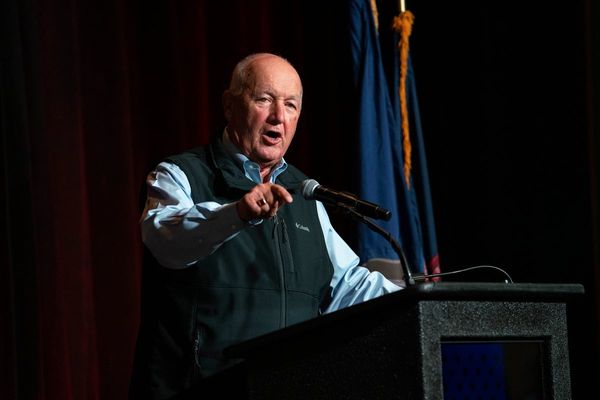
Paul Pressler, the company's chairman of the board, signed a letter from the body saying the rejection took into account "such factors as 1) eBay's standalone prospects, 2) the uncertainty regarding your financing proposal, 3) the impact of your proposal on eBay's long-term growth and profitability, 4) the leverage, operational risks, and leadership structure of a combined entity, 5) the resulting implications of these factors on valuation, and 6) GameStop's governance and executive incentives."
"eBay is a strong, resilient business that has delivered meaningful results over the past several years. We have sharpened our strategic focus, strengthened execution, enhanced our marketplace and seller experience, and consistently returned capital to shareholders. With its differentiated global marketplace and a clear strategy, eBay's Board is confident that the company, under its current management team, is well-positioned to continue to drive sustainable growth, execute with discipline, and deliver long-term value for our shareholders," the letter adds.
GameStop made the offer last week, proposing a cash-and-stock transaction combining the video game retailer's physical store network with one of the world's largest online marketplaces.
The bid values eBay at $125 per share and represents a premium of roughly 20% over its prior closing level. The stock continued to trade below that price throughout the week.
GameStop CEO Ryan Cohen had already said the company is prepared to pursue the transaction further, including taking the proposal directly to shareholders if necessary. That approach, including the possibility of a proxy fight, was first reported by CNBC.
The proposed deal would combine two companies operating at very different scales. eBay's market value is roughly four times larger than GameStop's, making the acquisition one of the more unusual attempts in recent U.S. corporate dealmaking. The structure would require a combination of existing cash, new equity issuance, and significant external financing.
GameStop said it has secured a commitment for up to $20 billion in debt financing from TD Securities, a subsidiary of TD Bank, while also relying on its reported $9.4 billion in cash and liquid investments, according to Reuters. Additional funding could come from equity issuance and outside investors.
Cohen has argued that combining the companies would unlock operational efficiencies and expand eBay's commerce capabilities. He outlined potential annual cost reductions of about $2 billion, largely through reductions in marketing and administrative expenses, a position also reported by Yahoo Finance.
A central element of the proposal is the use of GameStop's approximately 1,600 U.S. retail stores as physical infrastructure for eBay's marketplace operations. These locations could support product authentication, fulfillment, and live commerce services.
Founded in 1995, eBay continues to operate a large global marketplace with more than 130 million active buyers across multiple regions. The company reported about $80 billion in gross merchandise volume in 2025 and has been working to stabilize growth amid competition from Amazon and other digital platforms, according to PR Newswire.