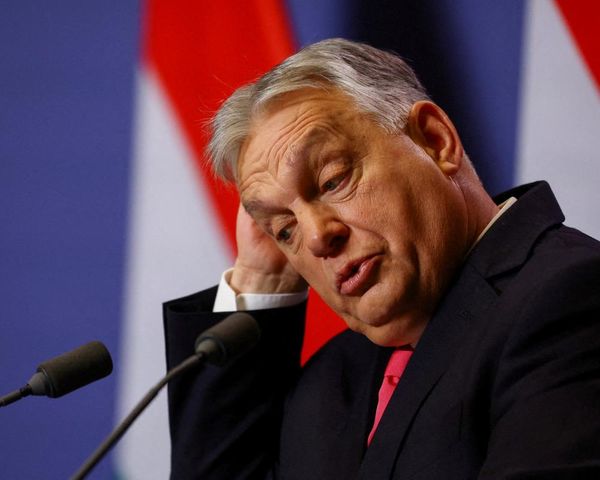
Cardinals talk at a meeting in Vatican City. Photograph: Franco Origlia/Getty
Down to the name itself, the Papal conclave (a Latin word attesting to the lockable properties of the meeting room) is a secretive event. Next week's conclave to elect a successor to John Paul II could be the most private yet. The voting cardinals are banned from speaking to the media and, as this report from the Associated Press reveals, fears of more discreet intelligence gathering – spying - are prompting the Vatican to seal the Sistine Chapel off against eavesdropping bugs and microphones.
The security measures are just another part of John Paul II's legacy: a spiritual leader who became a political figure is likely to create similar expectations in his successor. The Vatican is simply not happy for candidates' views on relations with Muslims, or recognising China rather than Taiwan to breach the conclave. The CIA's recently released Pope files reveal how seriously intelligence agencies took the power of the pontiff – in one case linking a proposed 1982 papal visit to Poland with the prospect of a Soviet invasion.