The outlook for the restaurant industry in the third quarter remains pessimistic, with high costs, weak consumer spending power and a potential drop in tourist numbers continuing to loom over the industry.
Thitid Tassanakajohn, a renowned chef and restaurateur, said the industry saw a brief rebound in the first quarter, supported by a recovery in tourism.
However, in the second quarter, the industry declined due to geopolitical conflict, high energy costs and their ripple effects, making conditions worse than in the second quarter of 2025.
"There is no sign of recovery. Restaurants are now feeling the rising costs of raw materials, packaging and logistics. The third quarter is unlikely to show improvement over the second," he said.
Mr Thitid estimated that total costs have risen by 10-15%. Restaurant operators are unable to raise menu prices because of weak consumer spending, forcing them to absorb the increased expenses.
He believes all restaurant categories are affected, though street food vendors or those registered with food delivery platforms may feel less impact.
Mr Thitid, owner of several restaurants, including the Michelin-starred Le Du and Nusara, views the fine-dining segment as the most affected by the current economic conditions. In May, his restaurants saw a 30% drop in sales compared with the same period last year, which was already a weak period.
He said expectations of a decline in foreign arrivals this year are concerning for fine-dining restaurants, which rely heavily on international travellers.
During this challenging period, he suggested that restaurant operators control costs efficiently and maintain customer loyalty to encourage repeat visits.
He considers the government's co-payment programme beneficial for small food vendors and urged the government to support the broader Thai restaurant and service sectors through initiatives to attract more foreign arrivals.
At the same time, he said the authorities should further promote Thai gastronomy, as the industry has its own distinctiveness and generates a significant economic impact.
PREMIUM READY MEALS
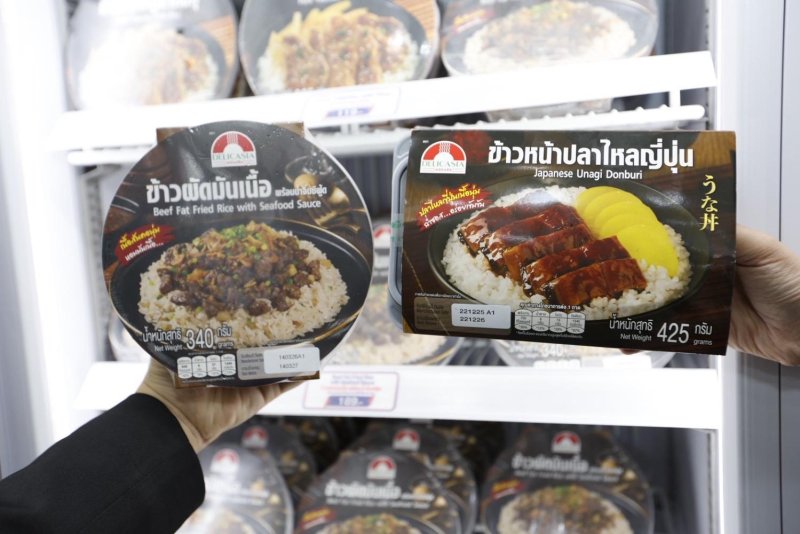
With consumers dining out less due to sluggish economic conditions and rising living costs, CPRAM Co Ltd, a ready-to-eat food manufacturer, has introduced a new line of "fine-dining" ready meals to offer premium cuisine at more affordable prices.
Wisade Wisidwinyoo, president of CPRAM Co Ltd, expects the new offerings will allow consumers to enjoy fine-dining meals at home.
In addition to targeting consumers, the company plans to distribute the products to food service providers, including restaurants and hotels, enabling them to add value through their own presentation and preparation.
He said there are more than 100 dishes, including Thai, Chinese and Western cuisine, available on Fudidiworld, the company's digital marketplace on its official Line account. The platform enables consumers to purchase ready-to-eat meals and bakery items for home delivery.
Mr Wisade said the company generated about 33.5 billion baht from the ready-to-eat segment in 2025 and expects revenue from the segment to reach 34.5-35 billion baht this year.