Eastern blocks: Soviet architecture on display – in pictures
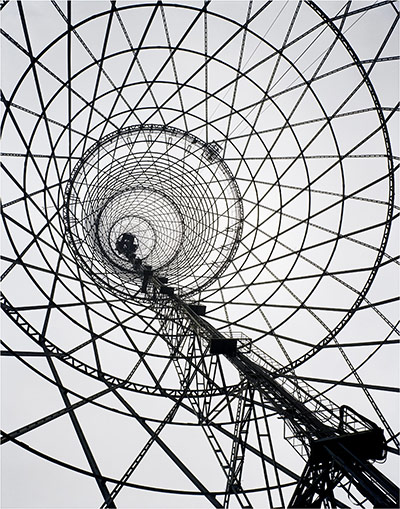
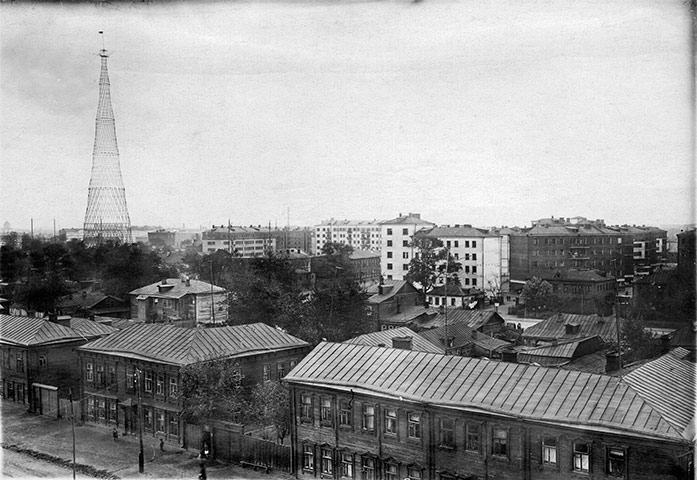
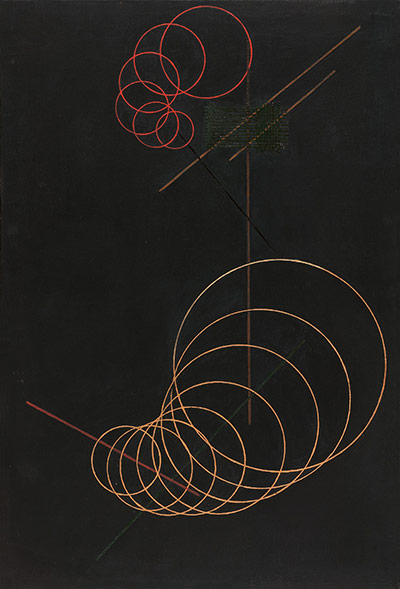
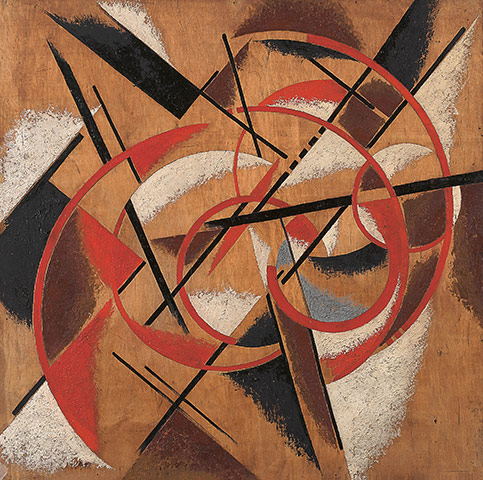
Shabolovka radio tower, designed by Vladimir Shukhov. This freestanding structure, built in Moscow 1922, combines creative freedom with a practical function which it still performs to this day Photograph: Richard Pare/Kicken BerlinThe Shabolovka radio tower viewed from distance, with Havosko-Shabolovskii residential block in the foregroundPhotograph: Schusev State Museum of ArchitectureThe photographs in the exhibition are supported by works from the Costakis Collection in Thessaloniki, by the likes of El Lissitzky, Liubov Popova, Malevich and Alexander Rodchenko, whose Linearism (1920) is pictured above Photograph: State Museum of Contemporary Art
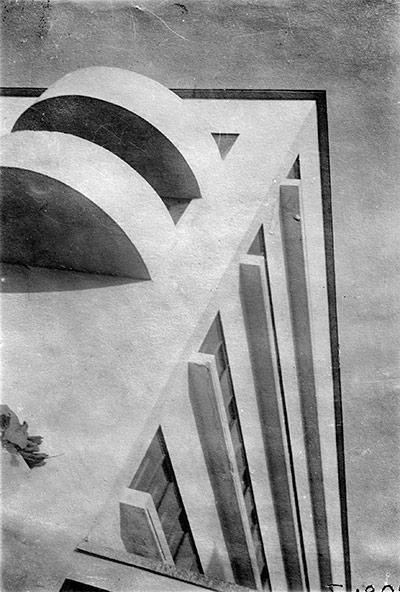
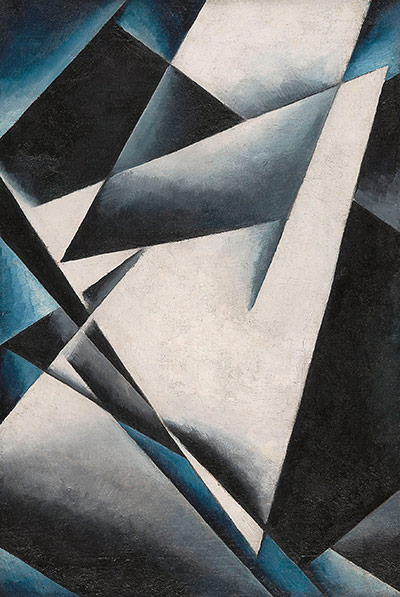
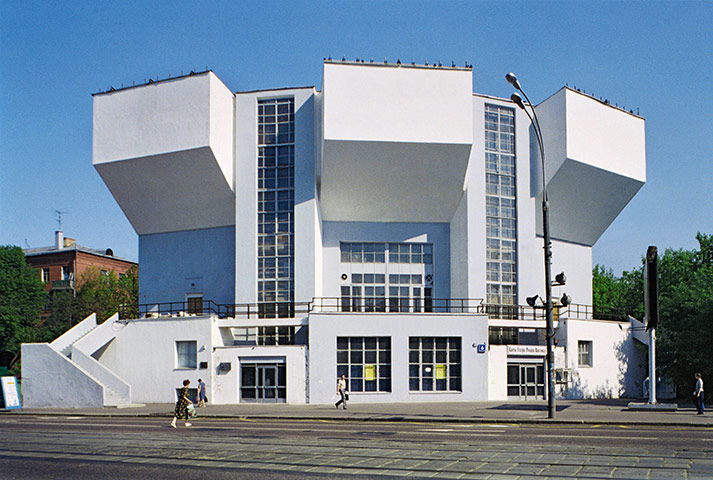
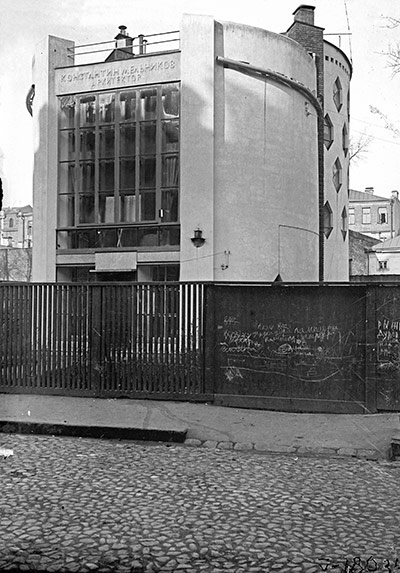
A corner detail of a residential block in the Narkomfin development, 1931. This experiment in communal housing resembled a machine-age monastery; now it's rotted by Russian winters to almost total ruin Photograph: MA Ilyin/Schusev State Museum of ArchitectureLiubov Popova's Spatial Force Construction (1920-21). Architects of the period were often also artists, while artists produced works whose abstract geometry aspired to resemble buildings. The revolution was not only to be achieved; it also had to be symbolised, with the crane a tool for magnifying the motions of an artist’s hand to an immense scale Photograph: State Museum of Contemporary ArtPopova's Painterly Architectonics (1918-19). It is a strange idea, both arrogant and naïve, that compositions in oil paint might shape cities, and the results could be oxymoronic Photograph: State Museum of Contemporary ArtKonstatin Melnikov's Gosplan garage, dominated by a large disc in its elevation, draws on visionary designs from the French Revolutionary era, while also evoking the wheels and radiators of motor vehicles. It was a time when Russian architects were realising the dreams of modernism more fully than anyone else, but also felt free to plunder and recombine ideas from the pastPhotograph: Richard Pare/Kicken BerlinAlso represented in the exhibition by his workers clubs in Zuev and Rusakov (pictured), and the design for his own house, Melnikov would eventually prove too brilliantly individual for the regimePhotograph: Richard Pare/Kicken BerlinThe entrance facade of Melnikov's house, built in 1927-29 Photograph: MA Ilyin/Schusev State Museum of Architecture
Sign up to read this article
Read news from 100's of titles, curated specifically for you.