
Each Monday I pick out the northern hemisphere’s celestial highlights (mid-northern latitudes) for the week ahead, but be sure to check my main feed for more in-depth articles on stargazing, astronomy, eclipses and more.
What To Watch For In The Night Sky This Week: July 5-11, 2021
So you don’t think summer is any good for stargazing? You’re wrong—it’s the best time! The nights may be short and not particularly dark until gone midnight from parts of the northern hemisphere, but there’s plenty to see in the summer night sky. After Earth’s shadow and the “Belt of Venus” have faded just after sunset you’ll see the first bright stars—Arcturus, Vega and Antares, to mention a few—peeking through the twilight sky as Venus lights-up in the west.
If you’re under a dark sky in this New Moon week, have look to the south for the arc of the Milky Way, too, while you wait for Jupiter to appear around midnight.
Here’s what else to look for in the night sky this week:
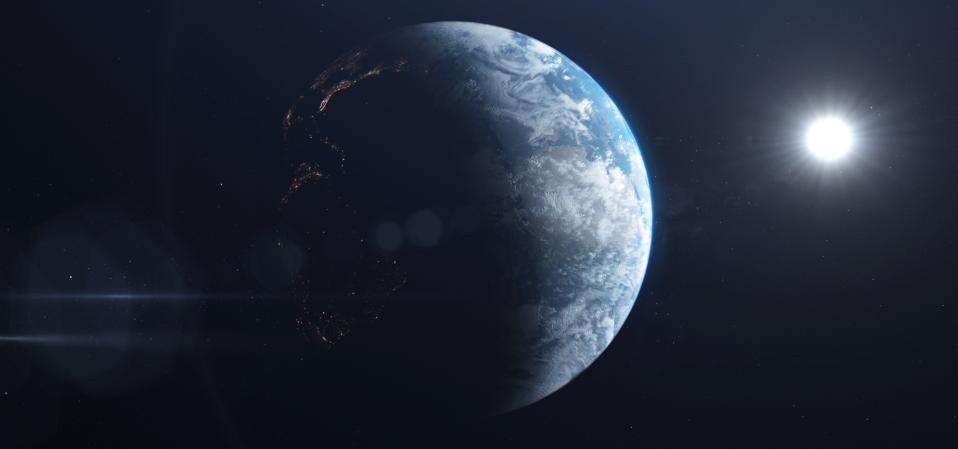
Monday, July 5, 2021: Earth farthest from the Sun
Today Earth reaches its aphelion, the farthest it gets from the Sun on its slightly elliptical annual orbit that sees the distance between the two vary by about 3%. Wait. It’s the height of summer! Solstice was just just week wasn’t it? How can that be?
Earth’s seasons are not caused by how close the Earth is to the Sun, but by the slight angle of Earth’s axis of rotation. Right now the northern hemisphere is titled towards the Sun, so it receives more sunlight, and has longer days, than the southern hemisphere.
Don’t look at the Sun today (in fact, don’t ever look at the Sun unless you have eclipse glasses!), but know that today it’s at its smallest apparent size in the sky.
Friday, July 9, 2021: Mercury and a New Moon
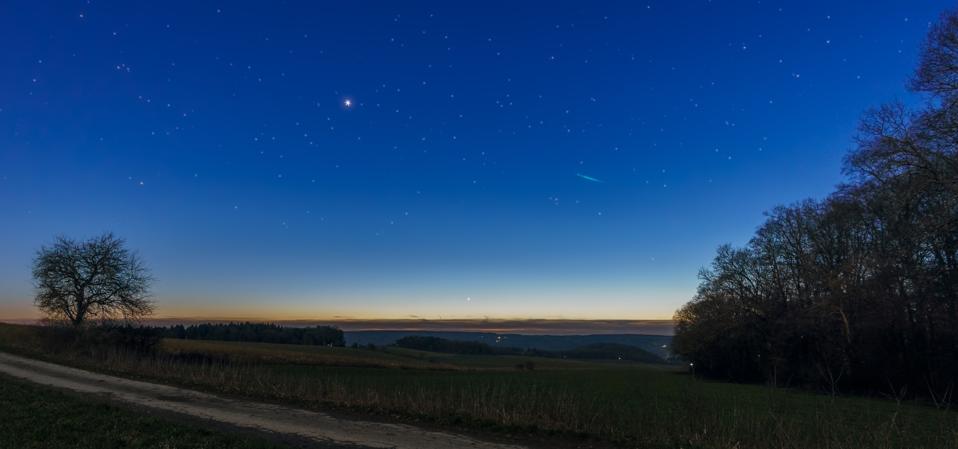
Ever seen the “Swift Planet?” If you’re up real early today and your sky is clear then you’ve got a good chance because today Mercury reaches its highest point in the morning sky. Take a pair of binoculars and scan the southeast horizon just before sunrise.
Very late today in North American timezones there will be a New Moon, which is when our satellite is between the Earth and the Sun. That happens at precisely 01:17 UTC tomorrow, which is 9:17 p.m. EDT tonight. It means dark night skies … and a post-sunset view of a beautiful crescent Moon this weekend and into next week.
Sunday, July 11, 2021: A crescent Moon with Venus and Mars
The Moon orbits Earth on more-or-less the same orbital plane as that of the Solar System, so it often appears in the night sky close to a planet. On successive nights in July it appears close to two; on July 11 a very bright Venus will be flanked by a dim Mars and a 3.4%-lit crescent Moon while on July 12 a 8.4%-lit crescent Moon will be just above the two planets.
Object of the week: Belt of Venus
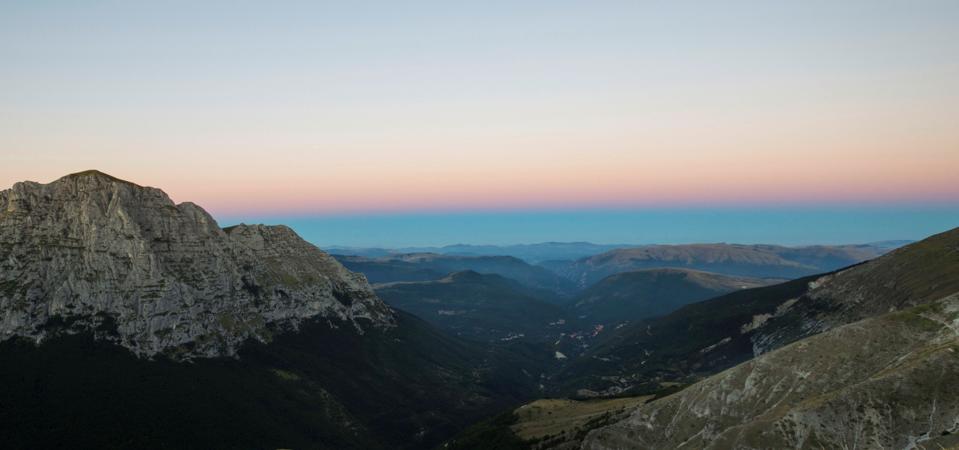
Look to the eastern sky just after sunset and you’ll see a pink band about 10-20° above the horizon opposite the Sun. Called the “Belt of Venus,” so-called because it’s around the same height as that planet is often seen at, it’s only visible during civil twilight.
As you admire its pinkish glow, it will slowly be engulfed by a rising dark blue band—Earth’s shadow against its own atmosphere. What a sight!
Constellation of the week: Corona Borealis
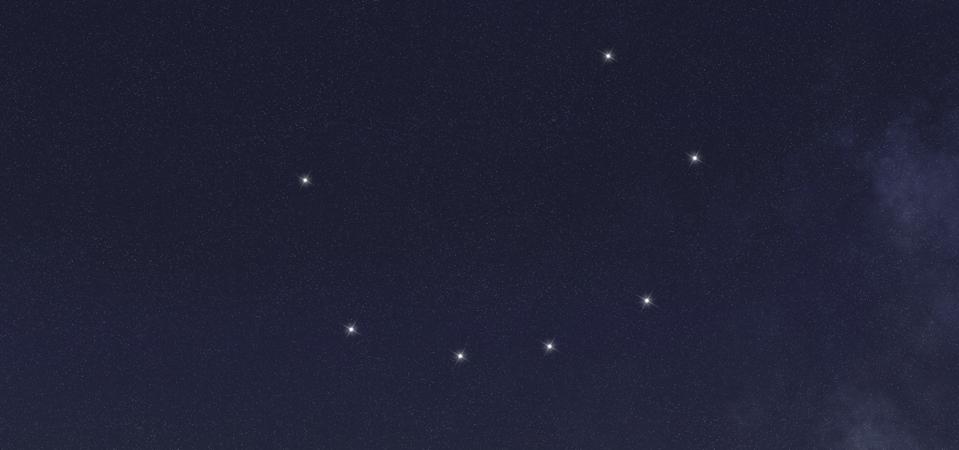
Here’s a constellation that deserve to be more famous. Also called the “Northern Crown,” Corona Borealis is a crescent of seven stars found high in the sky in summer between the constellations of Boötes and Hercules.
To find it, locate two bright stars—Vega in the northeastern sky and ruddy Arcturus high above. Corona Borealis is about half-way between the two, sparkling in a dark sky like a cosmic tiara.
Times and dates given apply to mid-northern latitudes. For the most accurate location-specific information consult online planetariums like Stellarium and The Sky Live. Check planet-rise/planet-set, sunrise/sunset and moonrise/moonset times for where you are.
Wishing you clear skies and wide eyes.