
As the financial landscape continues to evolve, Earned Wage Access apps have gained popularity as a solution for individuals facing short-term liquidity challenges. These apps provide users with the ability to access a portion of their earned wages before their scheduled payday, offering a convenient way to cover expenses and manage finances.
During the pandemic, the demand for Earned Wage Access apps surged, with transaction volumes increasing significantly. These apps, with names like EarnIn, Dave, Clio, and others, cater to individuals earning less than $50,000 annually who often struggle to make ends meet.
While proponents argue that these apps help users avoid more costly alternatives like payday loans, critics raise concerns about transparency and potential financial traps. The average APR for these short-term loans can be as high as 367%, comparable to traditional payday lending.






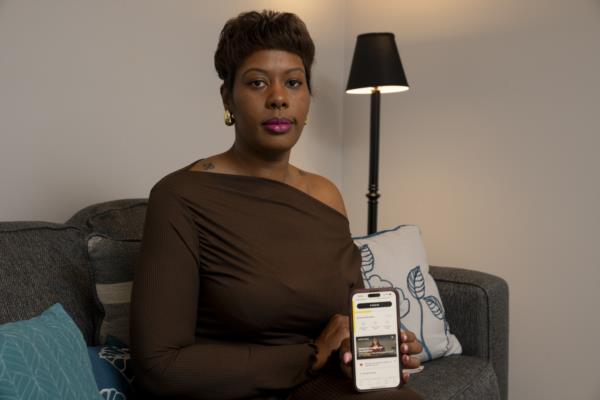

Users like Anna Branch and Sheri Wilkins have shared their experiences with Earned Wage Access apps, highlighting both the benefits and drawbacks. While these apps offer convenience and no credit checks, some users find themselves dependent on the quick access to funds, leading to a cycle of borrowing that can erode their earnings.
Regulation of Earned Wage Access apps is a topic of debate, with some states moving to cap fees and increase transparency. A federal bill is also under consideration to address the growing industry and provide safeguards for users.
As the financial technology landscape continues to evolve, the use of Earned Wage Access apps raises important questions about financial security, transparency, and consumer protection. The industry's rapid growth underscores the need for careful oversight and regulation to ensure that users are not exploited or trapped in a cycle of debt.