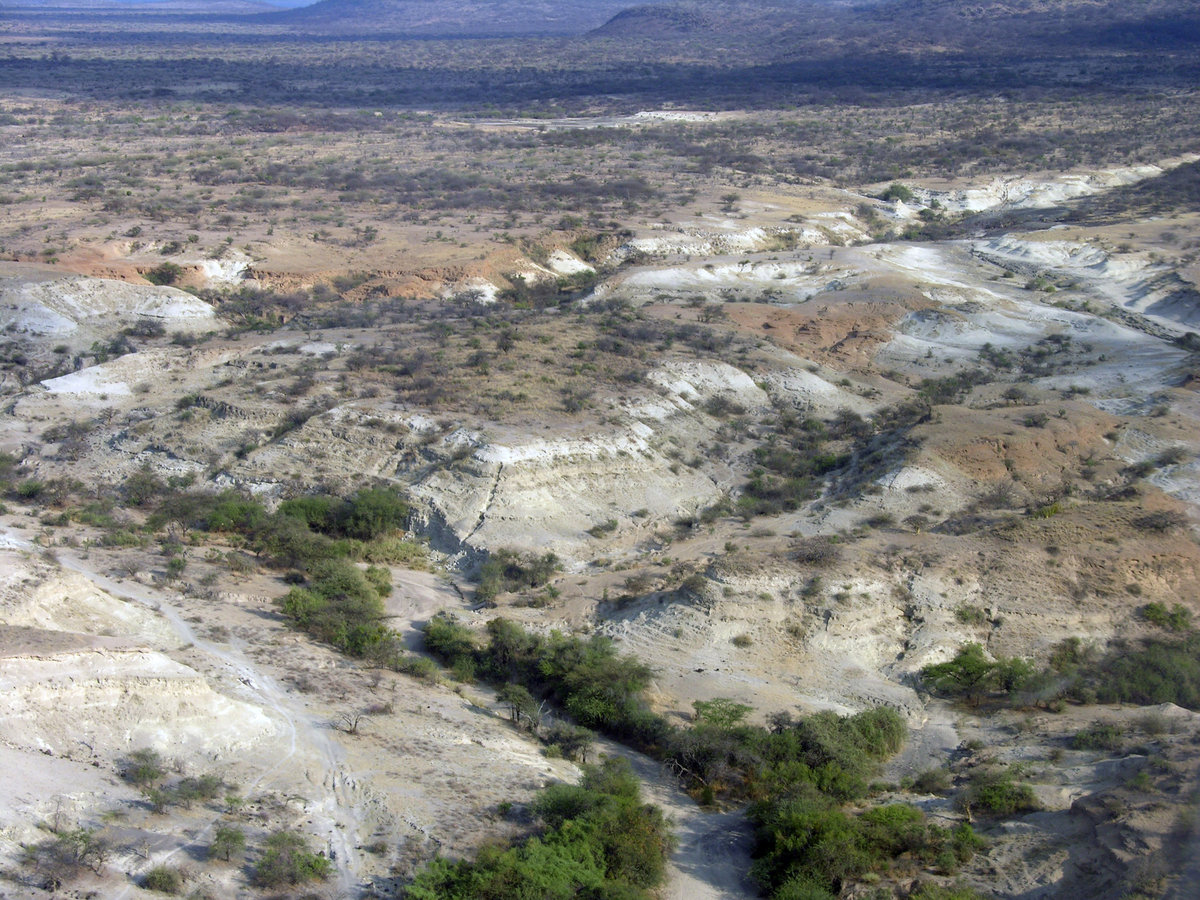
WASHINGTON (Reuters) - On a grassy African landscape, some of the earliest members of our species, Homo sapiens, engaged in surprisingly sophisticated behaviors including using color pigments, creating advanced tools and trading for resources with other groups of people.
Those findings were reported on Thursday by scientists who examined artifacts dating from 320,000 years ago unearthed in southern Kenya, roughly the same age as the earliest-known Homo sapiens fossils discovered elsewhere in Africa.
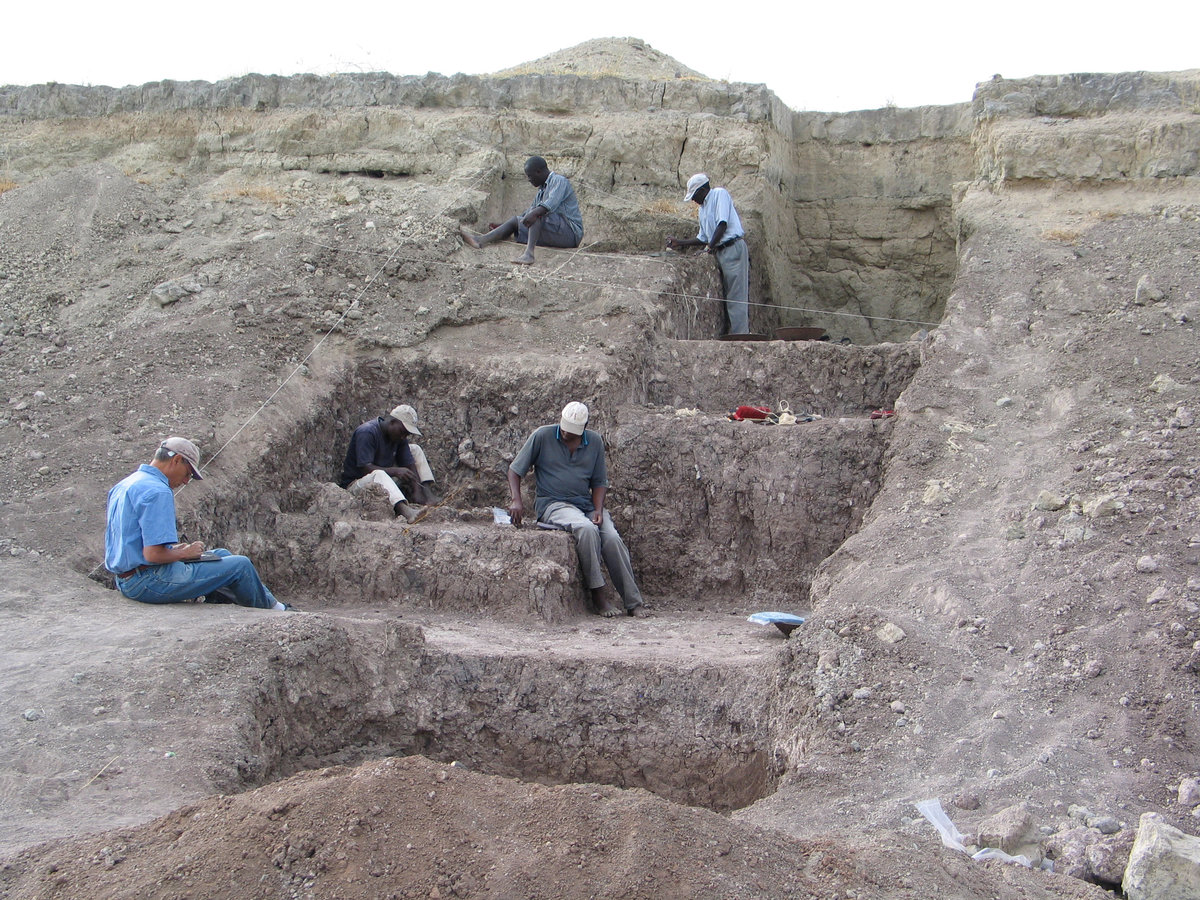
The researchers described ochre pigment that produced a bright-red color, which could have been used for body painting or other symbolic expression, and tools fashioned from obsidian, a volcanic rock that yields extremely sharp blades, that contrasted with clunkier ones used by earlier species in the human evolutionary lineage.
The researchers found abundant evidence of long-distance transfer of obsidian to the Olorgesailie Basin location from sites up to 55 miles (88 km) away over rugged terrain, leading them to believe it was acquired from another group through trade although it was unknown what was provided in exchange.
The findings indicate advances in technology and social structures unexpected so early in our species' history, they said.
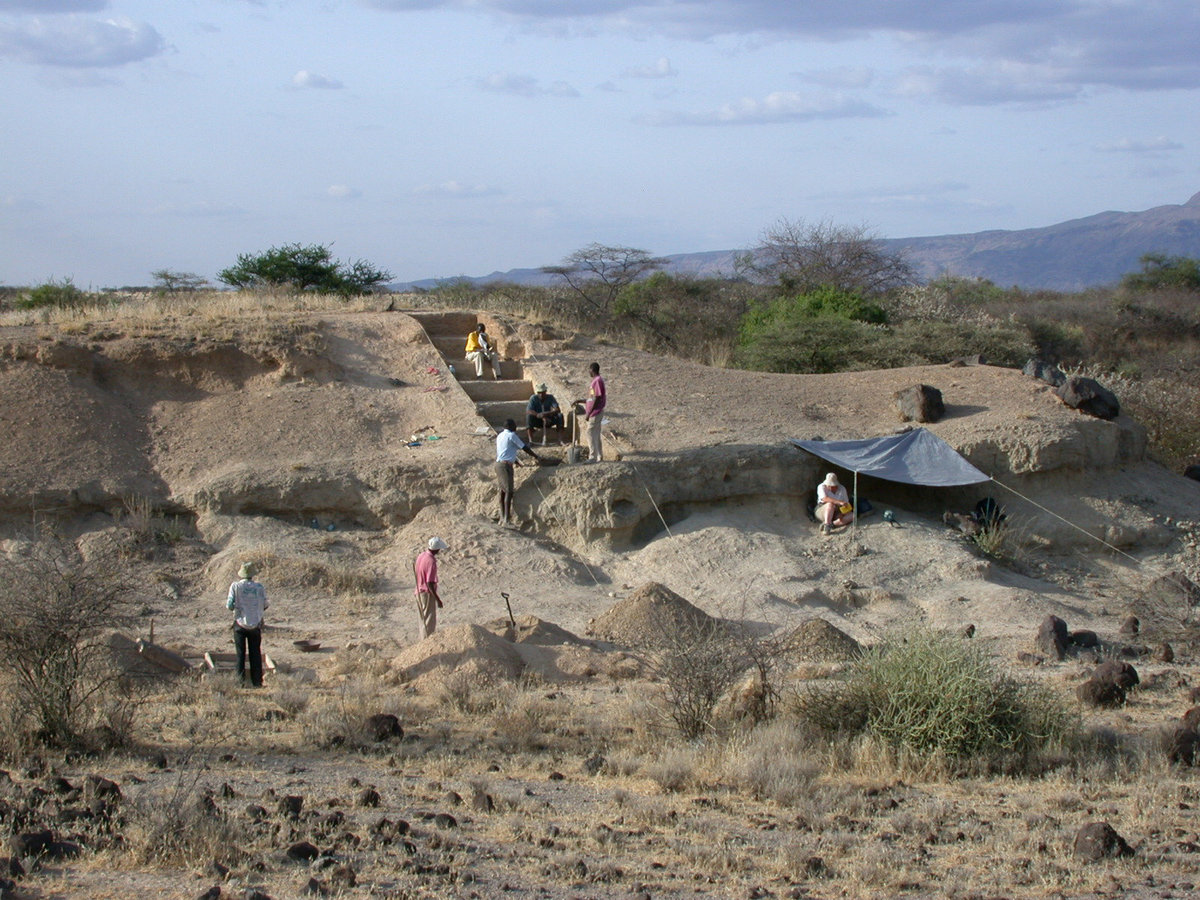
"My view is that these newly evolved mental and social abilities -- including awareness of distant groups, use of pigments and innovative technologies including projectile points -- were at the foundation of our species' origin," said paleoanthropologist Rick Potts, director of the Smithsonian National Museum of Natural History's Human Origins Program.
"They may have actually been the behaviors that distinguished our lineage/gene pool from other early human species."
The team discovered pigment materials, a dark brownish color from manganese and bright red from ochre.
"The choice of importing the ochre from a distance rather than using a more common local material which accomplishes the same purpose argues that having a red face or hair or clothing or weapons also carried a symbolic message of some sort," said paleoanthropologist Alison Brooks of George Washington University and the museum's Human Origins Program.
The researchers described obsidian tools that were smaller, more carefully crafted and more specialized than larger stone tools called handaxes used by earlier human species.
The obsidian was used in a wide range of tools including scrapers, implements with chisel and gouging edges and also in small points that could be placed at the end of a wood or bone shaft for use as a projectile weapon.
The research was published in the journal Science.
(Reporting by Will Dunham; Editing by Sandra Maler)




.jpg?w=600)