Dylann Roof s chances for a new appellate hearing continue to dwindle, with a court refusing to reconsider recusing itself from his appeal over his death sentence and conviction in the 2015 racist slayings of nine members of a Black South Carolina congregation.
The 4th U.S. Circuit Court of Appeals issued the decision on Tuesday.
All of the judges from the 4th Circuit, which covers South Carolina, have recused themselves from hearing Roof’s case. No explicit reason was given in a May notice, although one of the judges, Jay Richardson, prosecuted Roof’s case as an assistant U.S. attorney in 2017, when Roof became the first person in the U.S. sentenced to death for a federal hate crime.
Authorities have said Roof opened fire during the closing prayer of a Bible study at Mother Emanuel AME Church in Charleston South Carolina, raining down dozens of bullets on those assembled. He was 21 at the time.
Roof’s attorneys wanted the judges who opted to sit out his case to reinstate themselves to consider his petition for a new hearing. Without that move, or changing a court rule prohibiting judges visiting from other circuits from considering such requests, Roof’s lawyers wrote, “no judges exist to consider” his rehearing petition, depriving him of “a critical level of appellate review.”
The court, citing its recusal, had denied Roof’s request for a new hearing and also ruled against allowing a full court of substitute judges from other circuits to consider his case.
In May, a panel composed of judges from other appellate circuits heard Roof’s appeal, subsequently unanimously upholding his conviction and death sentence and issuing a scathing rebuke of Roof’s crimes, which the judges wrote "qualify him for the harshest penalty that a just society can impose.”
Roof’s lawyers have argued he was wrongly allowed to represent himself during sentencing. Roof, his attorneys have said, successfully prevented jurors from hearing evidence about his mental health, “under the delusion” that “he would be rescued from prison by white-nationalists — but only, bizarrely, if he kept his mental-impairments out of the public record.”
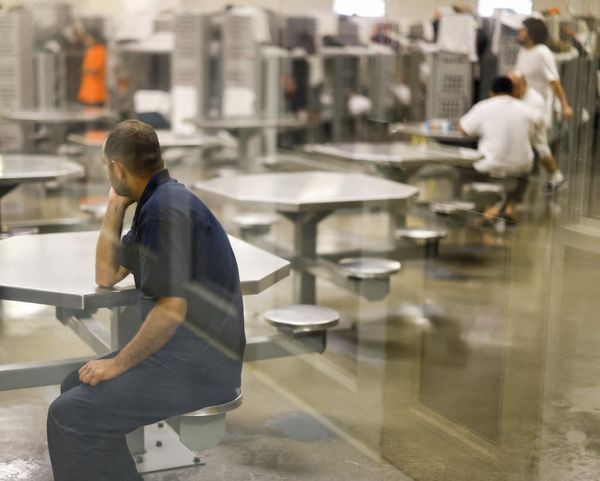
According to court documents filed in another federal case, the FBI heard two neo-Nazi group members talk about trying to free Roof from the maximum-security prison in Terre Haute, Indiana where he is an inmate, including details on the number of guards present and how a shootout would happen.
If unsuccessful in his direct appeal, Roof could file what’s known as a 2255 appeal, a request that the trial court review the constitutionality of his conviction and sentence. He could also petition the U.S. Supreme Court or seek a presidential pardon.