Labour has appeared to pave the way for more cuts to disability benefits this parliament as a top minister refuses to rule out revisiting controversial plans that were rowed back on earlier in the year.
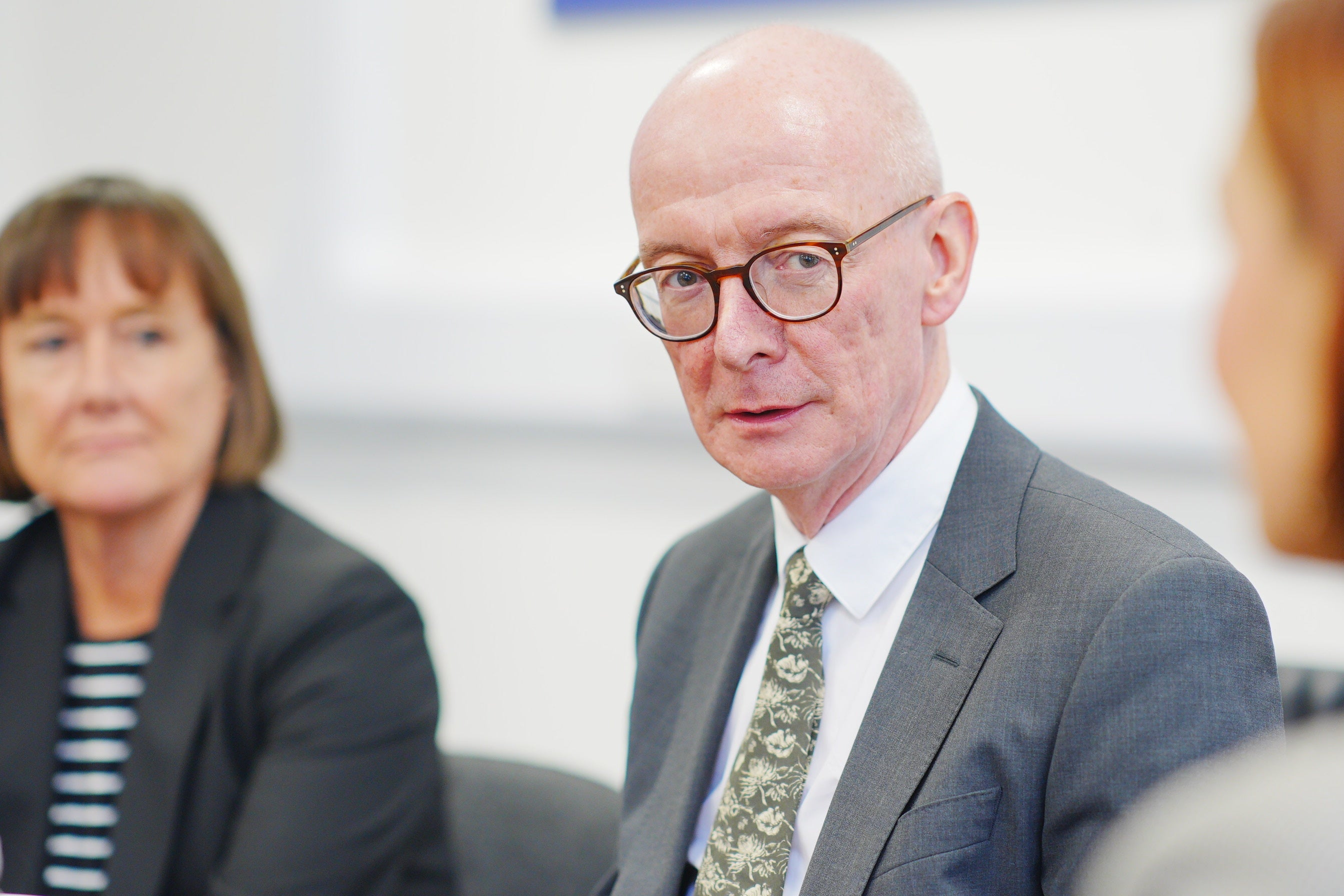
Speaking to a cross-party committee, work and pensions secretary Pat McFadden told MPs that he was “not ruling out anything” when asked if he was looking at future cuts.
“I have only been in the job for three months, and if I start ruling things out it will just close doors in the future, so I am not ruling anything out,” he added.
Earlier this year, Labour’s proposals to tweak the assessment criteria for the personal independence payment (PIP) to effectively make it harder to claim were met with fierce opposition from campaign groups and politicians.
Currently claimed by 3.8 million people, the benefit is designed to help with extra costs incurred by living with an illness or disability.
Ministers backed down on the plans in late June after over 100 Labour MPs threatened to vote against the government on the measures.
The concession was announced by Sir Stephen Timms in the middle of the debate on the legislation, alongside a new review into the benefit which he is leading. Speaking to MPs in August, the disability and social security minister said the exercise was not designed to deliver cuts.
However, at the end of October, the Sir Stephen announced that the terms of reference for this review were changing, adding the clarification that it “will operate within the Office for Budget Responsibility’s (OBR) projections for future PIP expenditure”.
Pressed on this change by the work and pensions committee, Mr McFadden said the purpose of the Timms Review “cannot be to come up with more expenditure on [PIP]”
“It has to work within the budgetary parameters of the rest of the Government, within the fiscal rules that the Government abide by”, he said, responding to a question from the Liberal Democrats’ Steve Darling.
Mr Darling told The Independent: “The previous Conservative Government left Britain’s benefits system broken, tearing up our economy and driving our health and care system into the ground – and the current Government’s failure to create growth and jobs has done nothing to help.
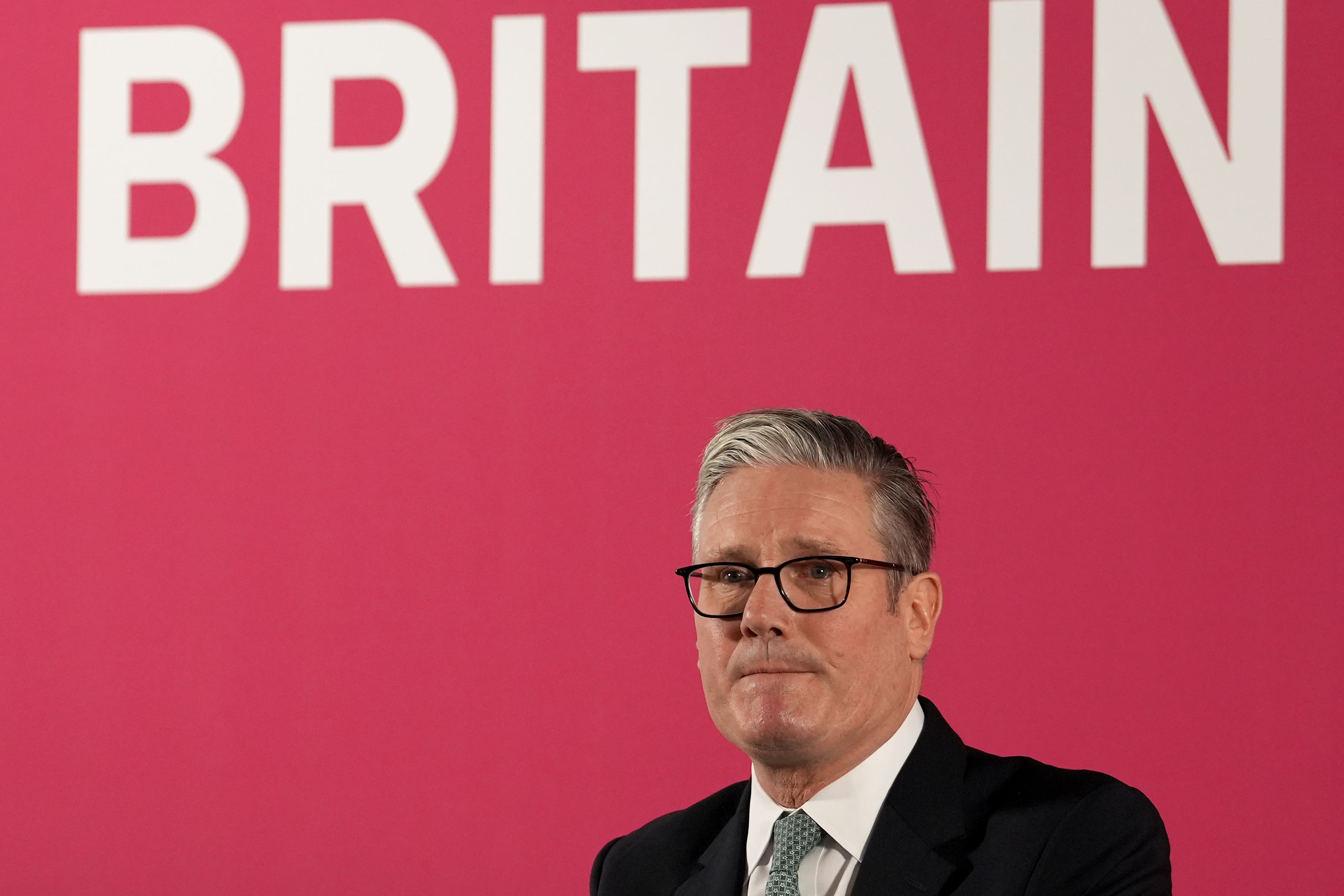
“Many across the country will be worried to hear the Work and Pensions Secretary refuse to rule out a repeat of last summer’s benefits debacle. Ministers don’t seem to understand that hitting disabled people who are already in work makes their employment prospects worse, not better.
“The Government must learn from past mistakes and instead manage the welfare bill down by fixing its root causes – finally repairing our health and care services and making it easier for people to work.”
His comments came ahead of Labour’s crunch second autumn Budget, alongside an early OBR report which warned that Rachel Reeves’ new policy announcements are set to increase spending by £11 billion in 2029/30, largely to pay for reversals to welfare cuts and the scrapping of the two-child benefit cap.
Speaking after the fiscal event, Sir Keir Starmer reiterated his plans to “reform the welfare state”, adding that “the welfare bill has gone up extraordinarily under the last government”.

The prime minister pointed to a review underway by Alan Milburn into the rising number of young people not in employment, education, or training (Neets), to tackle what he called a “massive waste of potential”.
The prime minister’s official spokesperson later said: “I think the Milburn review is expected in spring next year, final report in summer 2026 the Timms review will conclude by Autumn 2026.
“It is absolutely vital that we get these reviews right. This system has not been reformed properly for many, many years, but we have set out clear steps to ensure welfare spending is on a sustainable trajectory.”
James Taylor, Director of Strategy at disability equality charity Scope said: “There are problems with PIP that need fixing, such as assessments getting it wrong, and a lack of trust between assessors and disabled people.
“This review will shape the future of PIP for years to come, so getting it right is crucial.
“It’s encouraging that a group of disabled experts will be ‘at the heart’ of this review, but a lot of good faith has been put in ministers’ commitments to co-produce reforms with disabled people. It’s vital the government keeps this promise.
“This process should not be used to restrict access to PIP or any other part of the benefit system.”
A DWP spokesperson said: "We want a welfare state that is there for those who need it and supports people into work, while delivering fairness to the taxpayer. That’s why we’re launching the Timms Review to make sure PIP is fair and fit for the future, which is being co-produced by disabled people and their representative organisations.”
Labour now less trusted on the economy than Liz Truss, damning new poll finds
Rayner to push to speed up part of workers’ Bill after day-one right scrapped
New blow for Reeves as Labour’s anti-migration policies blamed for sluggish UK growth
Warning of fresh economic hit as Brexit accelerates UK ‘brain drain’
Juries to be scrapped in thousands of cases, Lammy confirms
OBR confronted Treasury about ‘unhelpful’ policy leaks before Reeves’ Budget