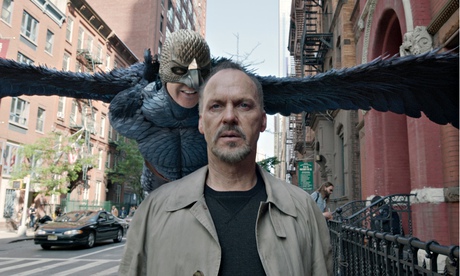
Two months have passed since Birdman (Fox, 15) swooped in on strong competition to take the best picture Oscar. It already feels longer ago than that, in part because of the widely perceived inevitability that comes with hindsight (“It’s a two-hour pity party for actors – of course it won!”) and in part because the film exists in something of an era-averse bubble. For all its modern technical bravado and social media referencing, Alejandro González Iñárritu’s whiz-bang inhabitation of one frayed artist’s fraying mind has little bearing on the dimension we, or even its own characters, live in.
The skewed, narcissistic worldview of washed-up superhero star Riggan Thomson (the cannily cast Michael Keaton) becomes that of the film itself, via the expert, vertiginously subjective camera work of Emmanuel Lubezki. Iñárritu affords the audience so little room to step back that it becomes impossible to tell whether we’re watching the fall of a master or the elevation of a fool. In cinemas it worked as a kind of fevered, queasy carnival ride. On the small screen, with its artificial one-take technique shorn of both scale and surprise, the film proves a far more hollow affair, its satirical notes flattened, its subtext torn open and found wanting. It’s the bitterness of Birdman that endures: Iñárritu has fashioned an all-purpose takedown that exposes stupidity in artists, audiences and critics alike, but what does it stand for?
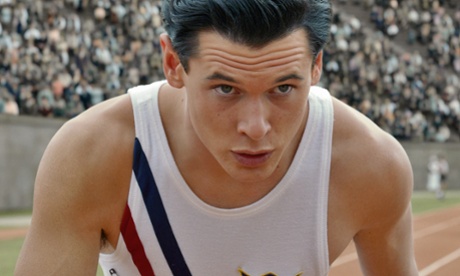
It could have been worse. At one point last year, industry pundits were predicting Oscar glory for Unbroken (Universal, 15), Angelina Jolie’s sluggish, self-gilding biopic of American Olympic athlete and second world war prison-camp survivor Louis Zamperini. The film presumes to have every award going in the bag: there’s not one moment of human intimacy or frivolity in its script (laboured over by many hands, including the Coen brothers), which memorialises only suffering, achievement and, most importantly, suffering as achievement. Remarkable lives don’t always make for remarkable cinema, but if any film-maker were to give Zamperini’s a chance, it’s not the green, humourless Jolie, who has a clear gift for choosing collaborators – cinematographer Roger Deakins, the usually electric Jack O’Connell – but can’t marshal them for saccharine, amber-coloured toffee.
A more suitably monumental tribute, Frederick Wiseman’s wonderful documentary National Gallery (Soda, 12) needs no fancy filters or sentimental string-pulling to venerate the eponymous institution. This three-hour study of London’s vast, venerable art museum honours its subject simply by looking and listening to the goings-on between its mighty walls: the patrons surveying its exhibitions, the workmen assembling them, the suits debating its financial future. No sonorous voiceover or gushing interviews are required; Wiseman simply acts as a silent, all-access tour guide and the result is mesmerising.
On the less consequential end of the arthouse release shelf, the precious but diverting relationship musical The Last Five Years (Icon, 12), starring a game Anna Kendrick, shuffles along a fortnight after opening in cinemas. If that seems swift, spare a thought for two direct-to-DVD items that had lofty festival premieres under different titles last year. Barry Levinson’s Venice-selected Philip Roth adaptation The Humbling returns as The Last Act (Lionsgate, 15), while Jake Paltrow’s loopy sci-fi enviro-western Young Ones, which found some Sundance sympathisers, has been rebranded as a Mad Max: Fury Road knockoff called (wait for it) Bad Land: Road to Fury (Signature, 15). Spare only a thought for them, mind – both are dismal.
More regrettably bypassing UK cinemas en route to home viewing is this week’s most essential streaming debut by a country mile: Filipino auteur Lav Diaz’s astonishing From What Is Before won top honours at Locarno last year, but unsurprisingly hasn’t yet found a distributor willing to take on its 338-minute heft. It has fallen to the good folk at Mubi.com to make it available for a limited time, and it’s really your loss if you let that formidable (and justifiable) running time deter you.
Arguably outdoing even Diaz’s superb Norte, the End of History for formal and political breadth, this study of a small coastal barrio brought to its knees under the encroachingly oppressive regime of Ferdinand Marcos is a vital feat of historical storytelling, anger and serenity simultaneously coursing through its sculpted black-and-white images.