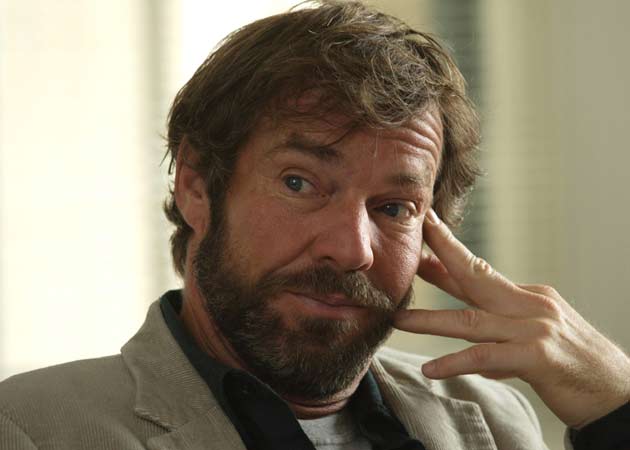
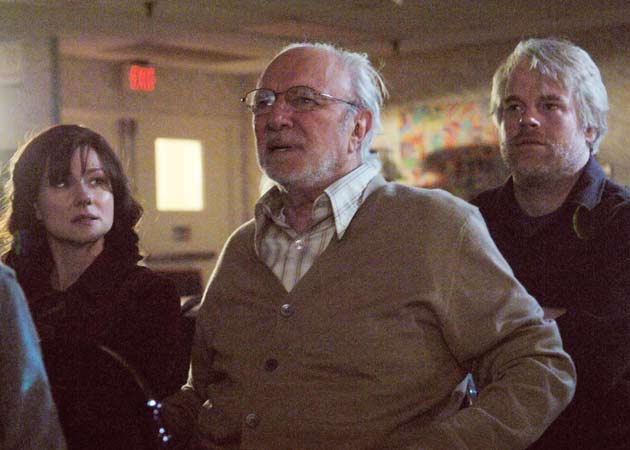
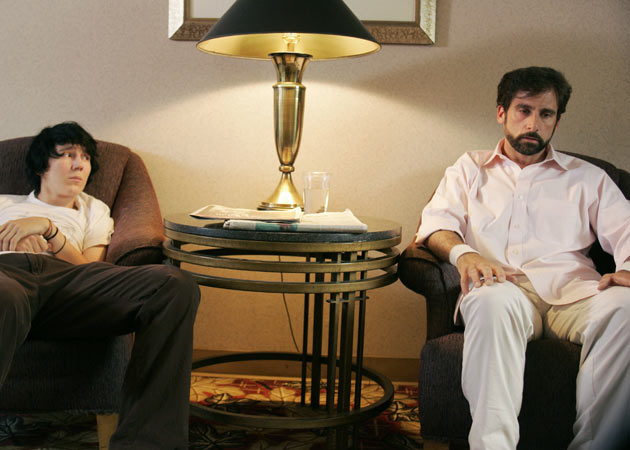
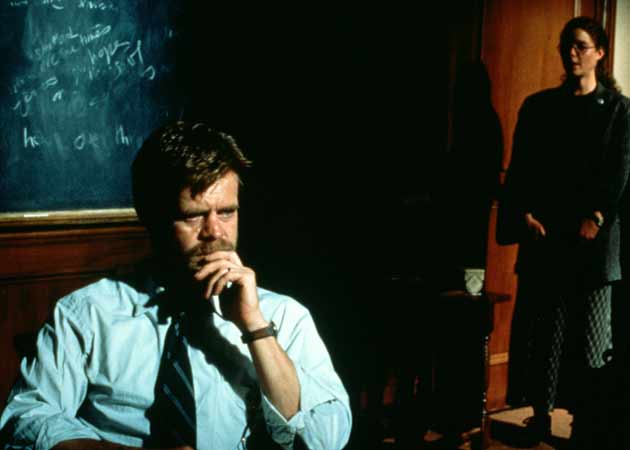
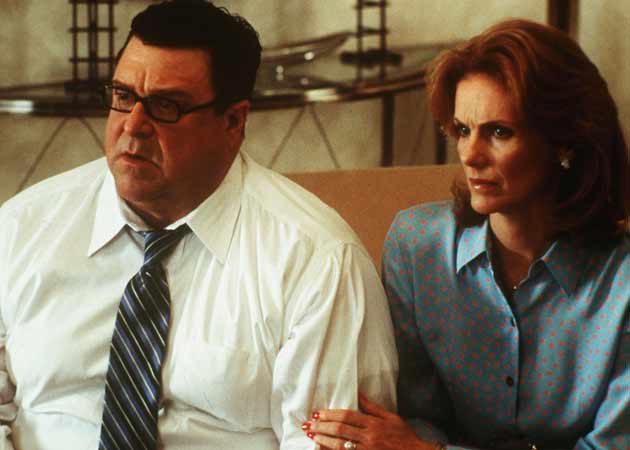
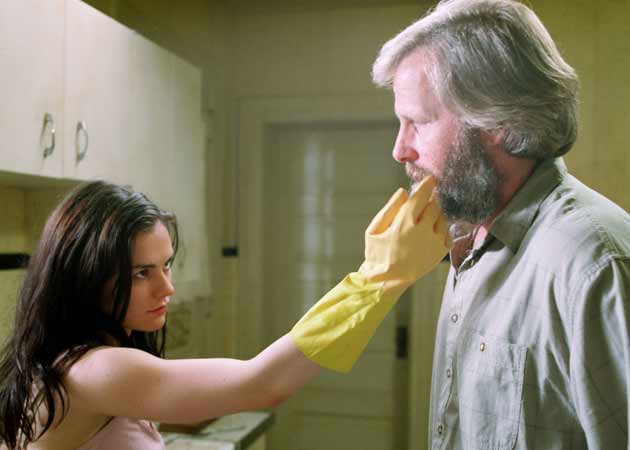
Smart People, recently out on DVD, stars Dennis Quaid as Professor Lawrence Weatherhold, a none-too-young, none-too-happy, in fact profoundly hapless, widowed English professor in Pittsburgh. The versatile Quaid is compelling here as a depressed intellectual snob, despising his students (his usual mark is C) and inadvertently drawing his bright, defensive daughter (Ellen Page, from Juno) into his lonely trap of arrogant disdain towards ordinary people.Photograph: KobalTroubled (but of course amusingly cynical) academics have featured in at least a couple of other recent independent movies. In The Savages, a sensitive, downbeat family drama of senile dementia, Philip Seymour Hoffman was a stalled Brecht expert always ready to remind his sister Laura Linney, acidly, that “We are not in a Sam Shepard play.”Photograph: KobalLittle Miss Sunshine had Steve Carell as the brilliant gay Proust-scholar uncle rendered suicidal by being pipped for a prize by a rival (and thus making the perfect foil to the success-mania of brother-in-law Greg Kinnear – for whom “Sarcasm is the refuge of losers”).Photograph: Kobal
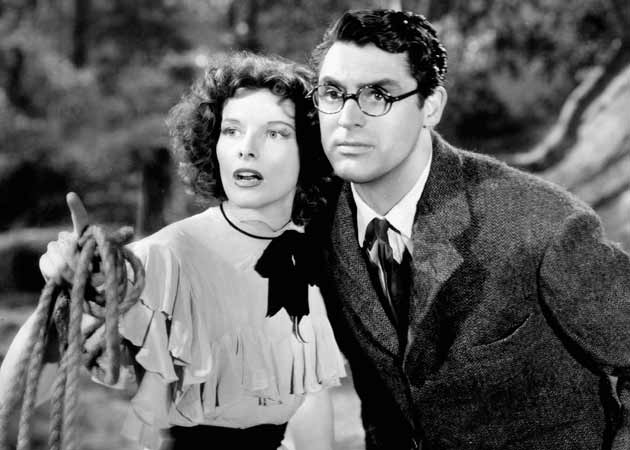
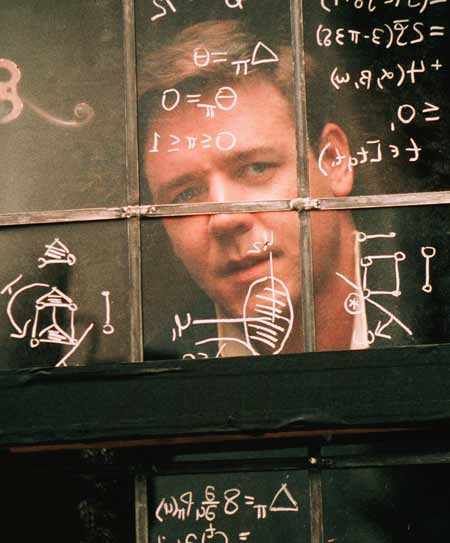
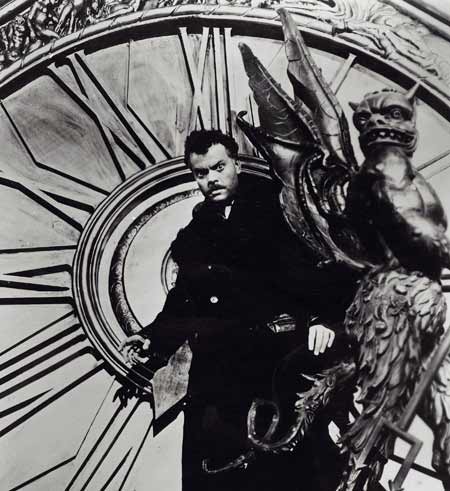
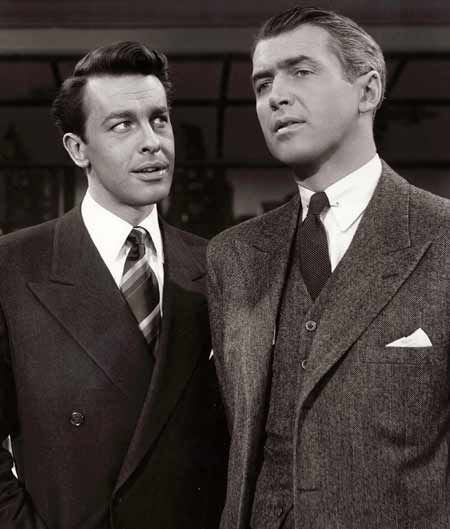
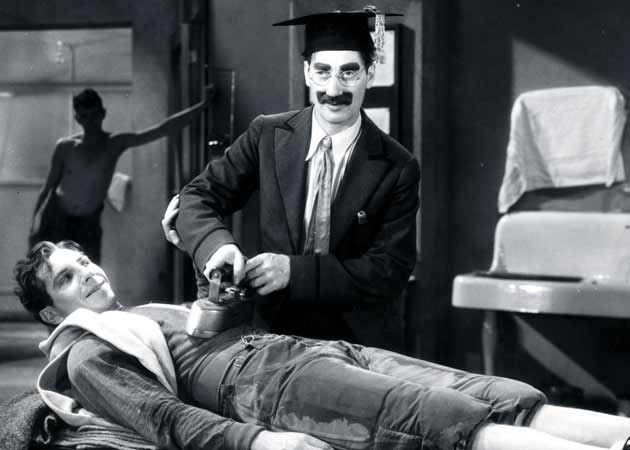
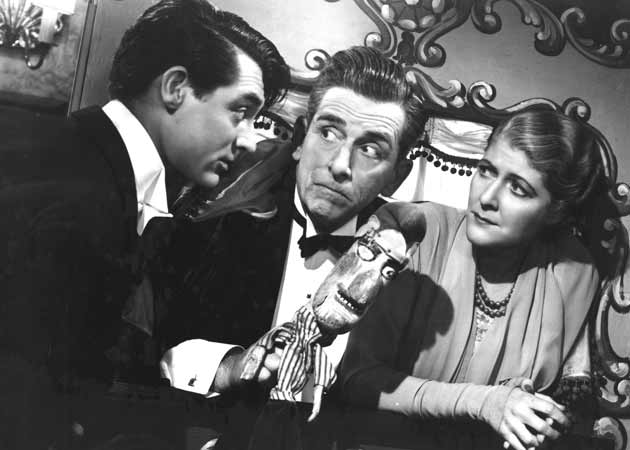
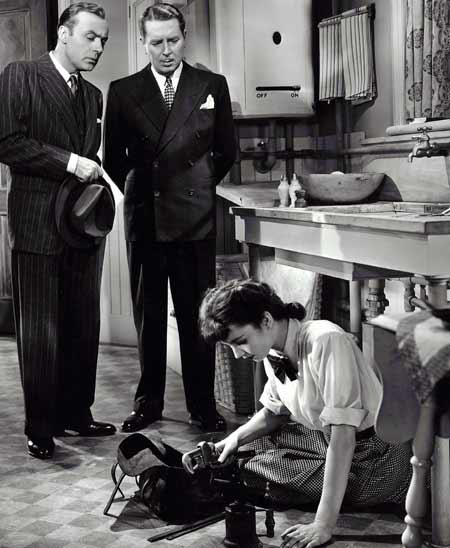
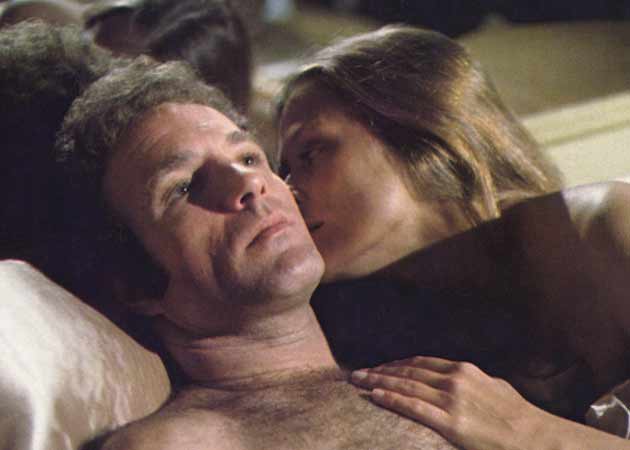
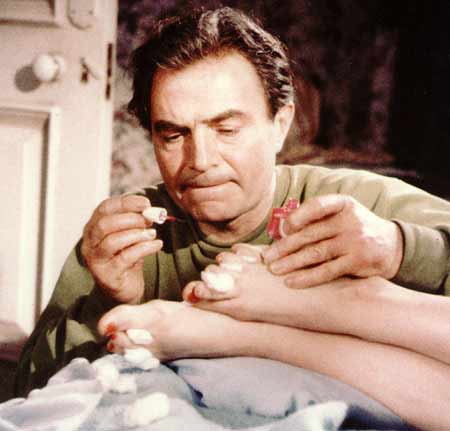
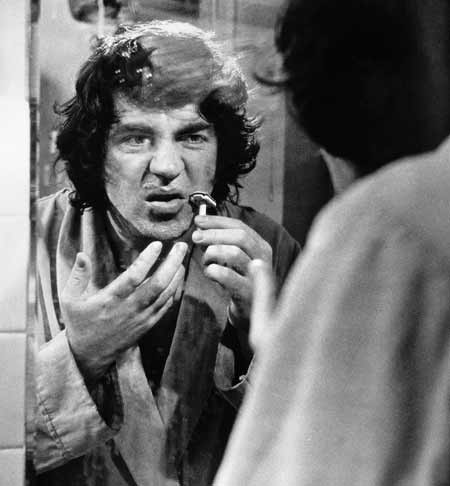
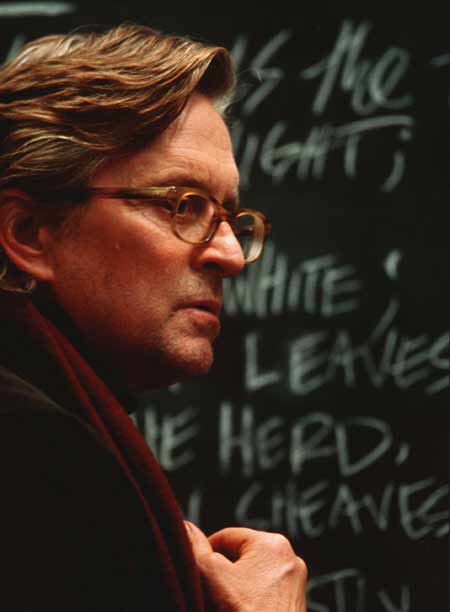
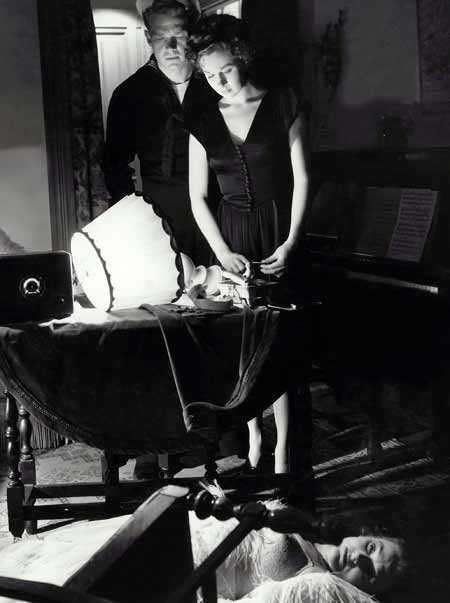
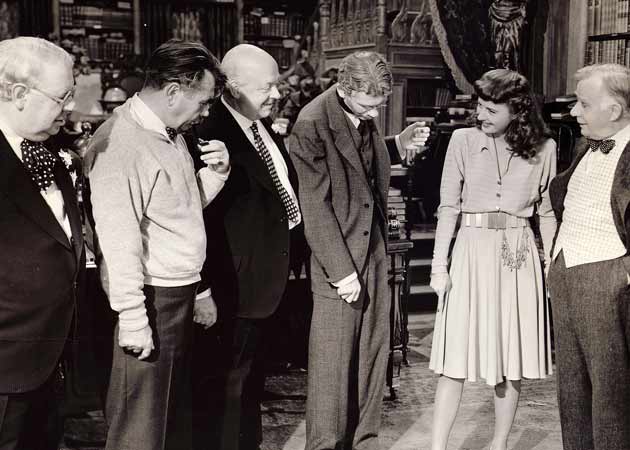
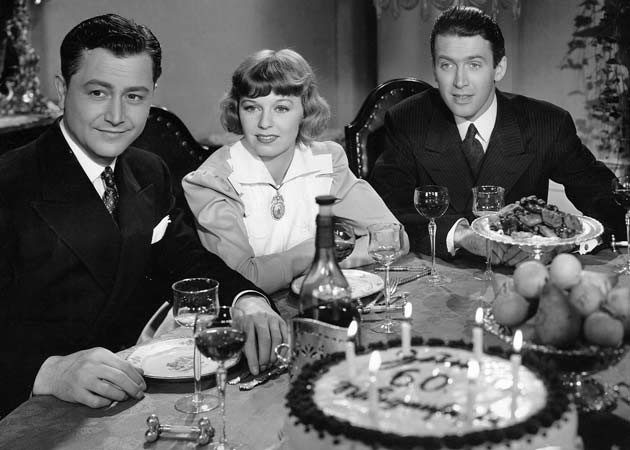
Populist American cinema has often found professors enjoyable targets in one way or another. Their presumed abstraction from everyday life, helpless impracticality, absent-mindedness and so forth can be comic, as in Hawks’s glorious Bringing Up Baby (1939), where Cary Grant as the confused archaeologist falls victim – and it’s good for him, the movie seems to say – to Katherine Hepburn’s maddening screwball rich-girl predator. Photograph: KobalAnd Hawks, despite Truffaut’s calling him “one of the most intellectual filmmakers in America”, takes Grant again as his humiliated professor-victim in Monkey Business (1952), accidentally drinking an elixir of youth and regressing spectacularly. Photograph: KobalWhen viewed less comically, Hawk’s professors join the ranks of the villains: in The Thing from Another World (1951), it’s the chilly professor who becomes the enemy within, all too dispassionately taking the side of the terrifying man-eating alien against his fellow-humans in the interests of science – as do countless other mad professors in the more reactionary examples of 1950s science-fiction. Photograph: KobalThe professor’s obsession with his subject (“his”: the archetype is male, and white) could easily become dehumanising – an extreme déformation professionelle. (A Beautiful Mind potently visits this territory.) In an era so aware of “UnAmerican Activities”, the ‘academic freedom’ of professors seemed threatening – an exposure to foreign ideas could lead to dangerous consequences. Photograph: KobalIn Welles’s The Stranger (1946), the professor (Welles) in a small New England town is secretly a leading Nazi fugitive.Photograph: KobalEven when no harm is meant, as in Hitchcock’s Rope (1948), the young men murder their classmate under the sway of their teacher James’s Stewart’s discussion of the Nietzschean superman.Photograph: KobalThen there’s the emancipating wildness of free thought, the readiness to say the unsayable – starting with the irrepressible Groucho Marx as Professor Quincy Adams Wagstaff in Horse Feathers (1932) (“Oh, Professor, you’re full of whimsy!”). Photograph: KobalOne of the most pleasurable examples is the droll Professor Nicholas Potter (Edward Everett Horton) in George Cukor’s fine comedy of class and money and freedom Holiday (1938), where he enters enemy territory, as it were, the Fifth-Avenue mansion of Cary Grant’s plutocrat in-laws-to-be, and declares loudly, peering round, “You know, this reminds me a little of the palace of the Emperor Caligula.”Photograph: KobalOr in Ernst Lubitsch’s strangely relishable anti-English plumbing comedy Cluny Brown (1946), Charles Boyer plays the anarchic Czech professor-in-exile Adam Belinski, a paradoxical liberator (social and sexual) of the servant-class heroine (Jennifer Jones).Photograph: KobalThough the freedom can turn double-edged. By the time of Karel Reisz’s terrific Dostoievskian The Gambler (1974), written by James Toback and starring James Caan as the gambling-addicted literature professor who gets mixed up with the Mafia, marginality had become self-destructive alienation.Photograph: KobalProfessors are guardians of the young – supposed exemplars of rectitude and preservers of a decent distance from their charges. But all forms of authority, including the educational, have come increasingly into question over the years. In particular, the sexual revolution of the 1950s and 1960s – it’s twistedly embodied in Humbert Humbert, Lolita’s college professor in New England and modern literature’s supreme sexual predator.Photograph: KobalThe late Simon Gray’s play Butley, filmed by Harold Pinter in 1974 with the magnificent Alan Bates as the drunken, bisexual antihero, foreshadowed a whole succession of other tales where the invisible line is crossed.Photograph: KobalThe consequences, though, become more and more disastrous – in, for instance, Mamet’s play Oleanna, which he filmed in 1994, and which turns on a professor being accused of sexual harassment, or in J.M. Coetzee’s only-just-filmed novel Disgrace, about a South African English Professor impulsively seducing a student and becoming an outcast.Photograph: KobalOften it’s professors of creative writing – professionally obsessed with love and sex and the transgression of rules – who figure in cinema’s scenarios of GMT: in Todd Solondz’s Storytelling (2001), a grisly, deeply ironic challenge to political correctness whose first half follows the sexual cruelties in a small creative writing class… Photograph: Kobal… in Noah Baumbach’s wonderful The Squid and the Whale (2005), where failing writer Bernard Berkman (the brilliant Jeff Daniels) takes up with a teenage student not much older than his own sons …Photograph: Kobal… and in Curtis Hanson’s magnificently droll Wonder Boys (2000), where Michael Douglas gives the performance of his career as the rumpled, failing, pot-addled Professor Grady Tripp.Photograph: KobalNot all movies have so brought professordom into disrepute. In the early years of the War, perhaps because of the flight of so many Europeans to the U.S. Hollywood produced some affectionate portrayals of the professor as a figure of integrity and civilised values. In Harold Clurman’s single film, lovely neglected noir Deadline at Dawn (1946), the taxi taken by the hero turns out to be driven by an exiled European prof (Paul Lukas) with a line in wise aphorisms, who becomes a vital sidekick.Photograph: KobalA few years earlier, Howard Hawks did make one professor movie with genuine affection for the value of learning: Ball of Fire (1941), a hilarious transposition of Snow White into contemporary New York. Snow White becomes a torch-singer and gangster’s moll on the lam; the dwarves become the sweet little old profs inhabiting a mansion and compiling a dictionary. The film finds great dignity and pathos, as well as endless fun, in the unworldly, asexual innocence of this cloistered professioriat.Photograph: KobalFinally there’s The Mortal Storm (1940), set in Germany in 1933. It begins with Professor Roth fretting that no one has remembered his 60th birthday. But at his morning lecture he finds a full house of students, family and friends, who clap till he’s moved to tears. The surprise is shot with a sudden, visceral tracking shot revealing the packed hall, who join to sing "Gaudeamus igitur", a stirring celebration of academic freedom. It will, of course, be downhill from here.Photograph: Kobal
Sign up to read this article
Read news from 100’s of titles, curated specifically for you.