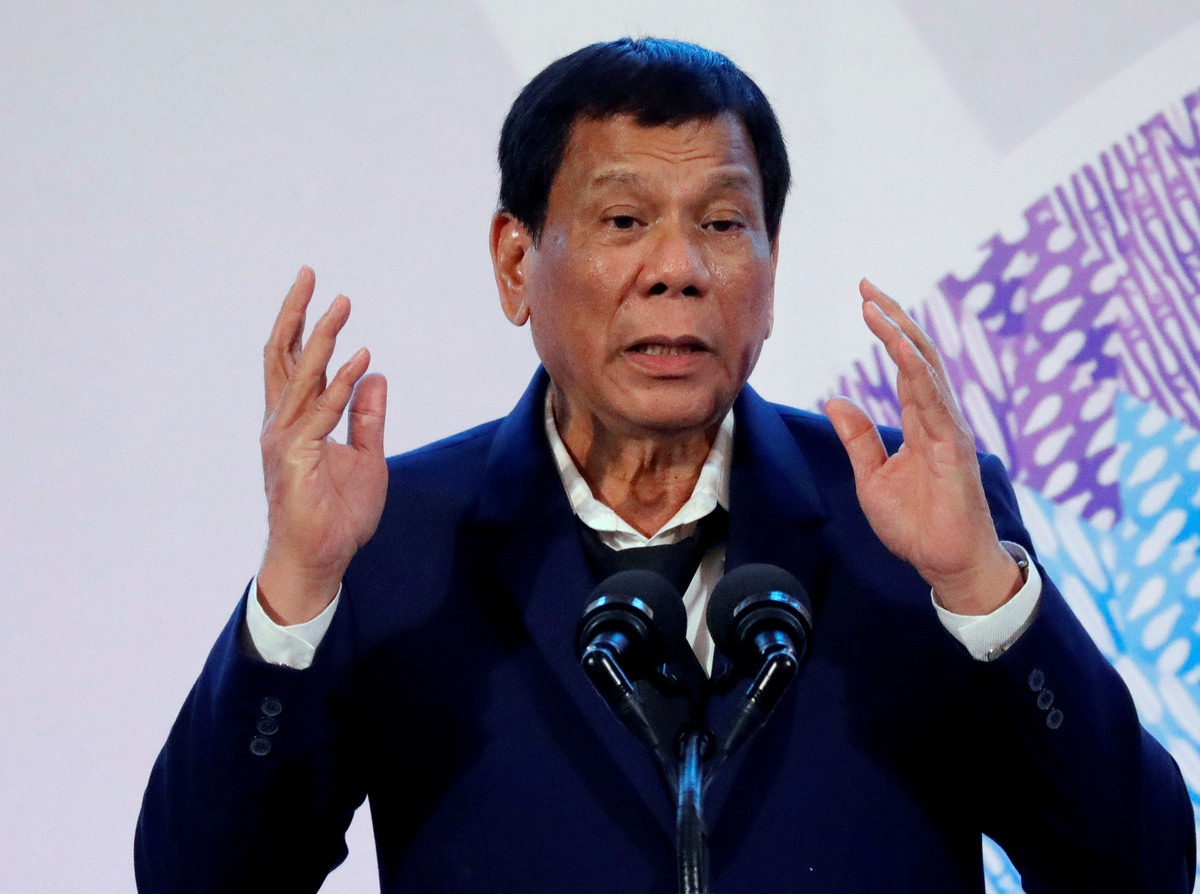
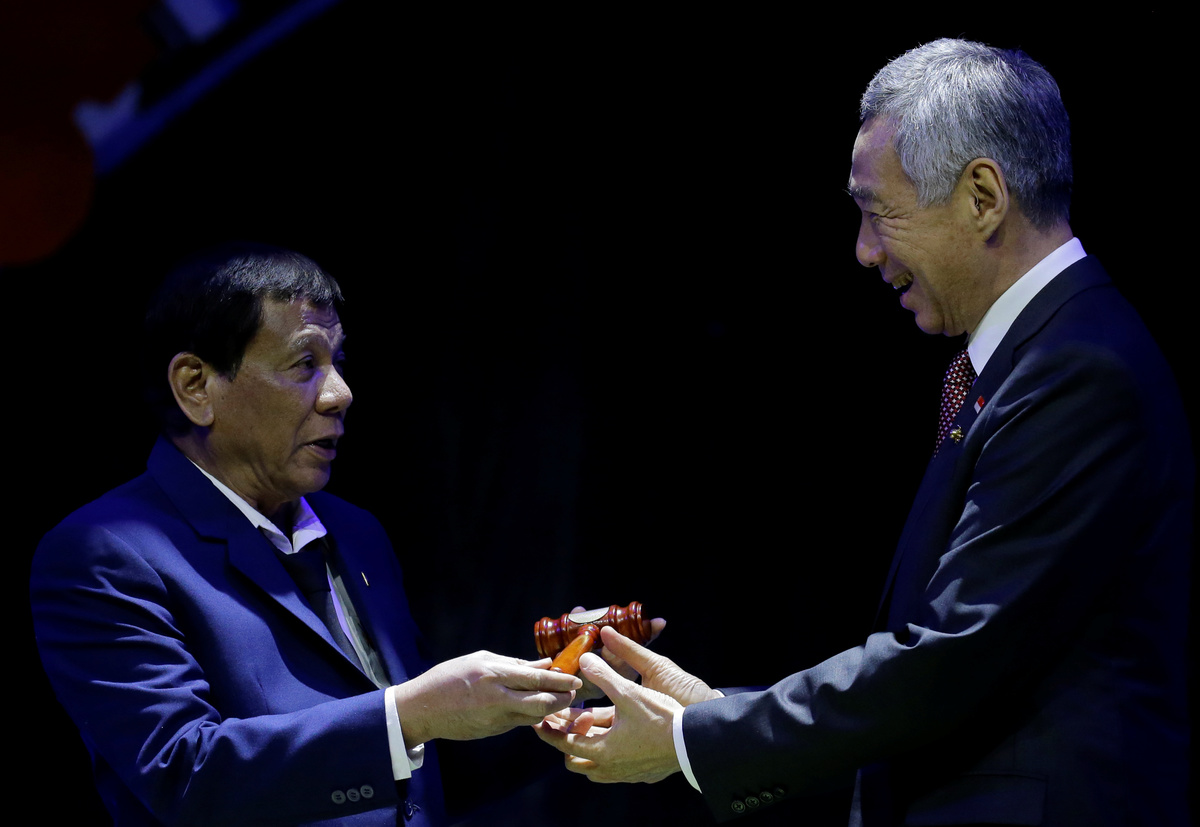
MANILA (Reuters) - Philippines President Rodrigo Duterte attacked Canada's Justin Trudeau at the end of a summit of Asian and Western nations for raising questions about his war on drugs, a topic skirted by other leaders, including U.S. President Donald Trump.
At the traditional news conference by the host nation at the end of the summit on Tuesday, Duterte was asked how he had responded to the Canadian prime minister raising the issue of human rights and extra-judicial killings in his anti-drugs drive.
"I said I will not explain. It is a personal and official insult," the Philippines president said in the course of a rambling answer, although he did not refer to Trudeau by name.
"I only answer to the Filipino. I will not answer to any other bullshit, especially foreigners. Lay off."
Earlier in the day, Trudeau told a news conference that during his meeting with Duterte "the president was receptive to my comments and it was throughout a very cordial and positive exchange".
Human rights activists had been hoping that leaders at the summit, including Trump, would raise the issue of the thousands of users and small-time pushers killed in the campaign that was launched by Duterte after he took office in mid-2016.
His government says the police act in self-defence during drug-busts, but critics say executions are taking place with no accountability.
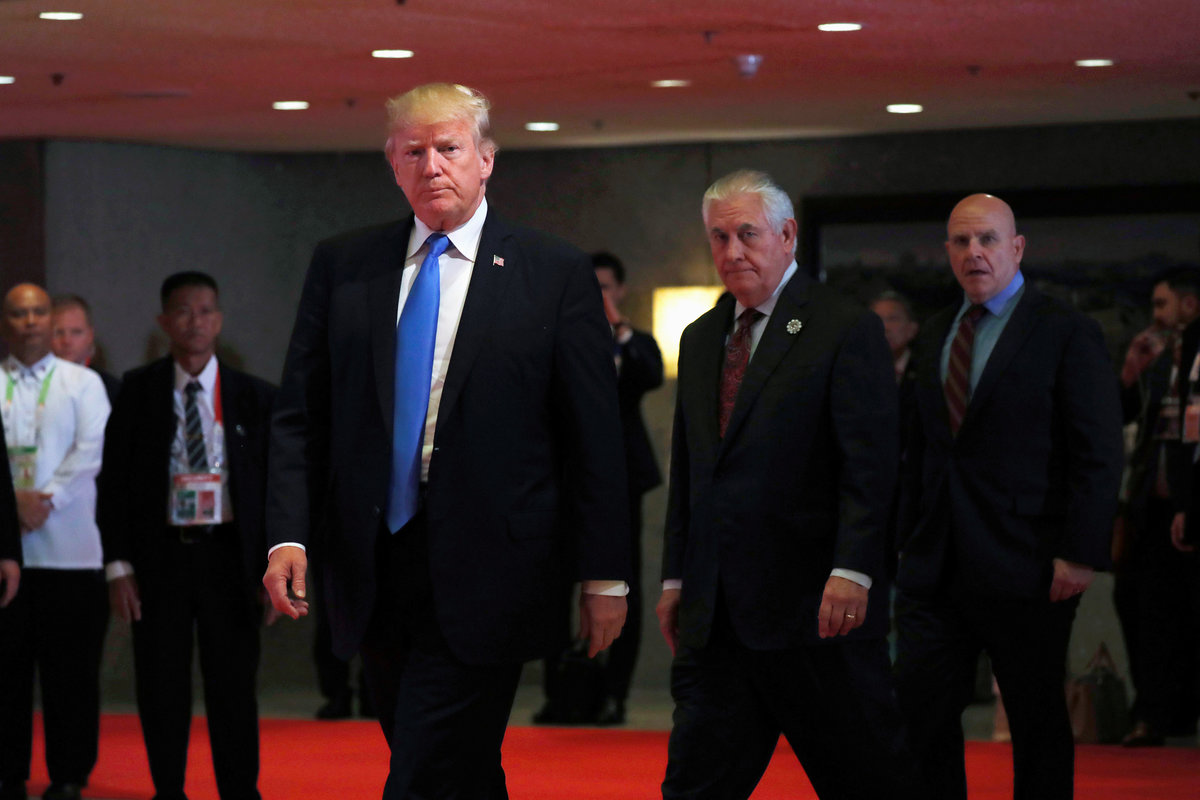
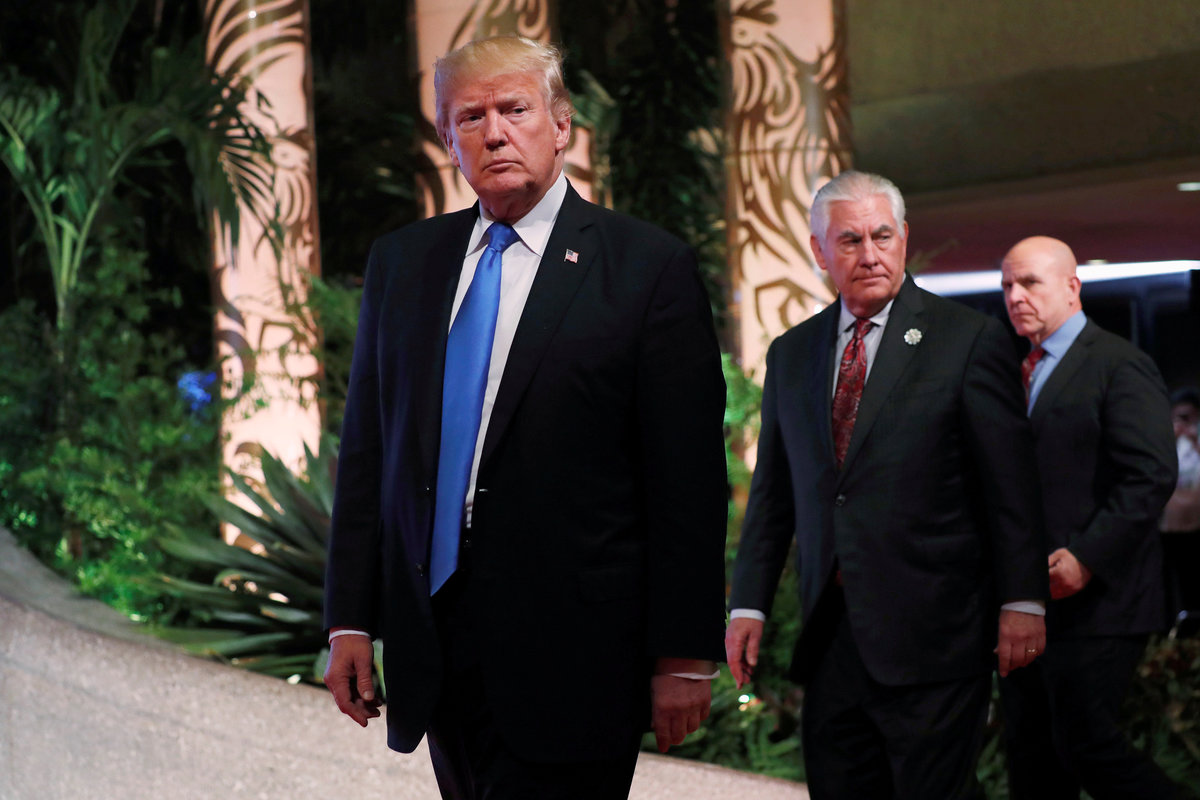
There was no pressure from Trump on the drugs war when he met Duterte on Monday and the U.S. president later said the two had a "great relationship".
A joint statement after the meeting only said the two sides "underscored that human rights and the dignity of human life are essential, and agreed to continue mainstreaming the human rights agenda in their national programmes."
Duterte cursed Trump's predecessor, Barack Obama, last year for raising concerns about the war on drugs and he subsequently declared that he was breaking ties with the United States, a close ally of the Philippines since World War Two. The relationship appears to have got back on track after the bonhomie between him and Trump.
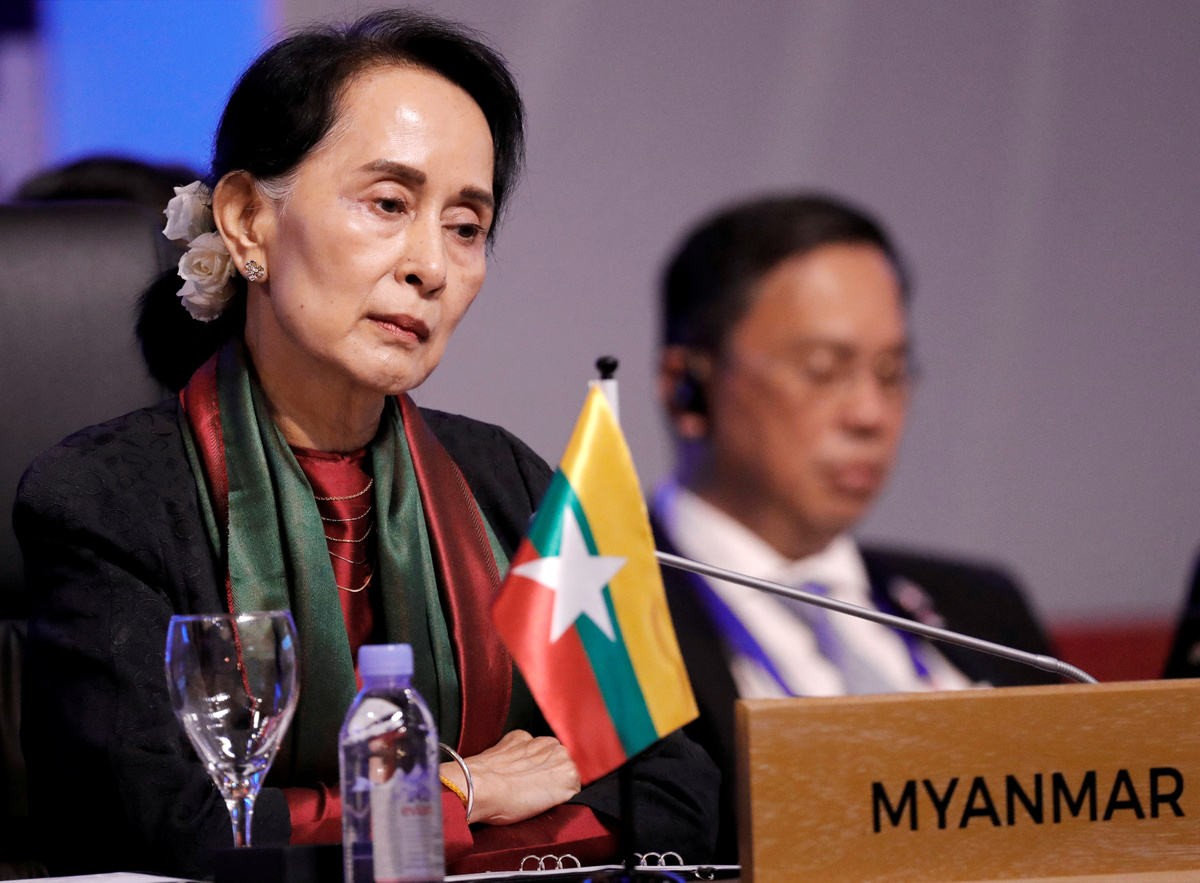
Trudeau also said that he raised the issue of the exodus of Rohingya during a meeting with Myanmar leader Aung San Suu Kyi, another sensitive topic bypassed by most other leaders, although he did not mention the Muslim minority by name.
"This is a tremendous concern to Canada and to many, many countries around the world," he said.
ETHNIC CLEANSING
The government in mostly-Buddhist Myanmar regards the Rohingya as illegal immigrants from Bangladesh and does not recognise the term.
Over 600,000 Rohingya have fled to refugee camps in Bangladesh since military clearance operations were launched in response to attacks by Rohingya militants on Aug. 25.
The plight of the Rohingya has brought outrage from around the world and the United Nations has called the operations ethnic cleansing. There have been calls for democracy champion Suu Kyi to be stripped of the Nobel peace prize she won in 1991 because she has not condemned the military's actions.
Some countries in the 10-member Association of Southeast Asian Nations (ASEAN), particularly Muslim-majority Malaysia, have voiced strong concern over the issue recently.
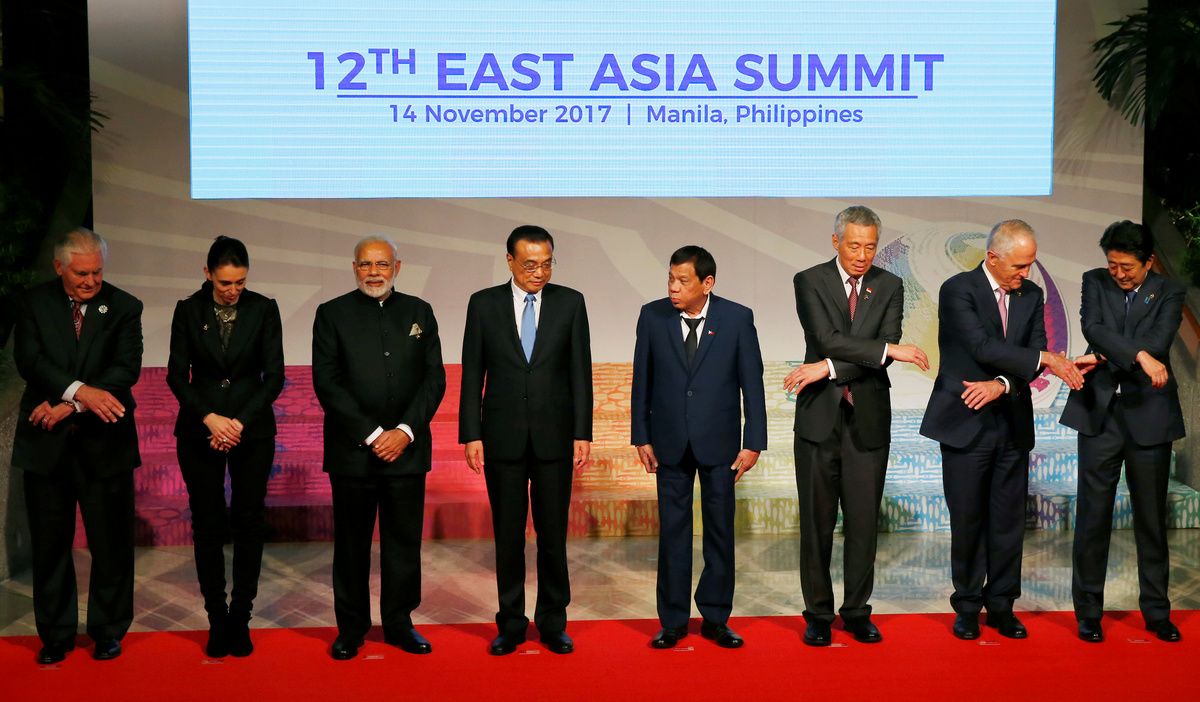
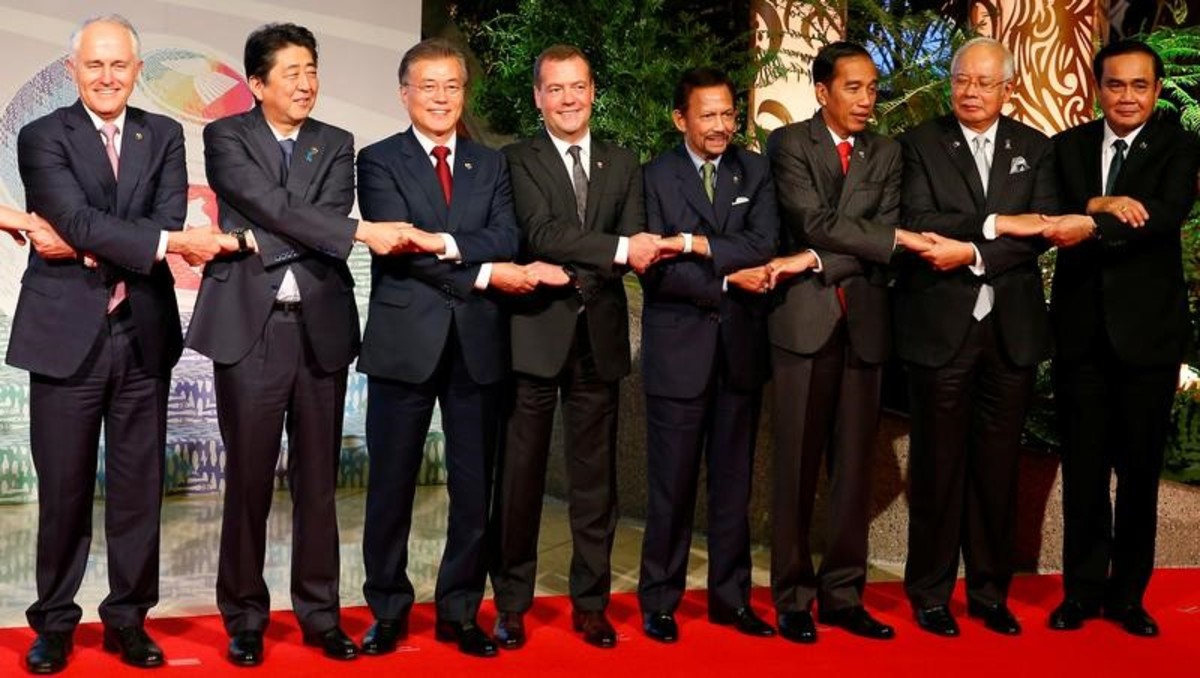
However, in keeping with ASEAN's principle of non-interference in each others' internal affairs, it appeared to have been put aside at the summit, which brought Southeast Asian nations together with the United States, Russia, Japan, China, India, Australia, New Zealand and Canada.
Duterte reported that China had agreed at the summit to work on a code of conduct in the South China Sea with ASEAN nations to ease tensions over disputed claims to the busy and resource-rich waterway.
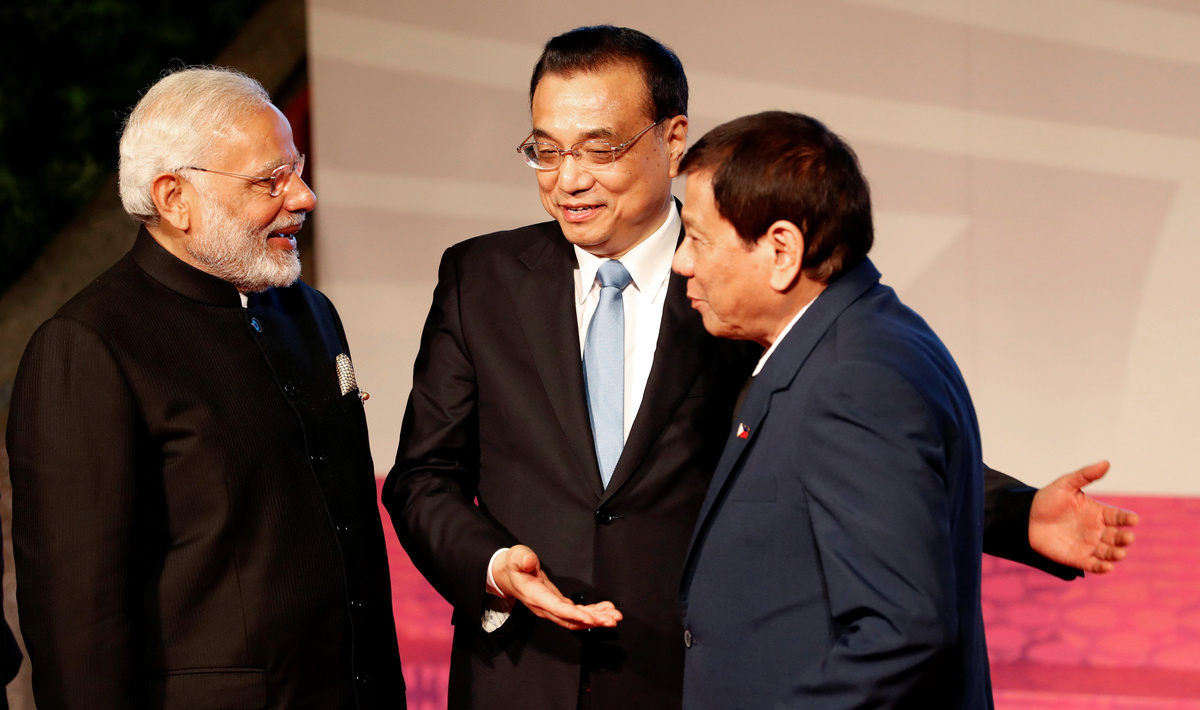
The group also signed agreements on protecting migrant labour and fighting terrorism and cybercrime.
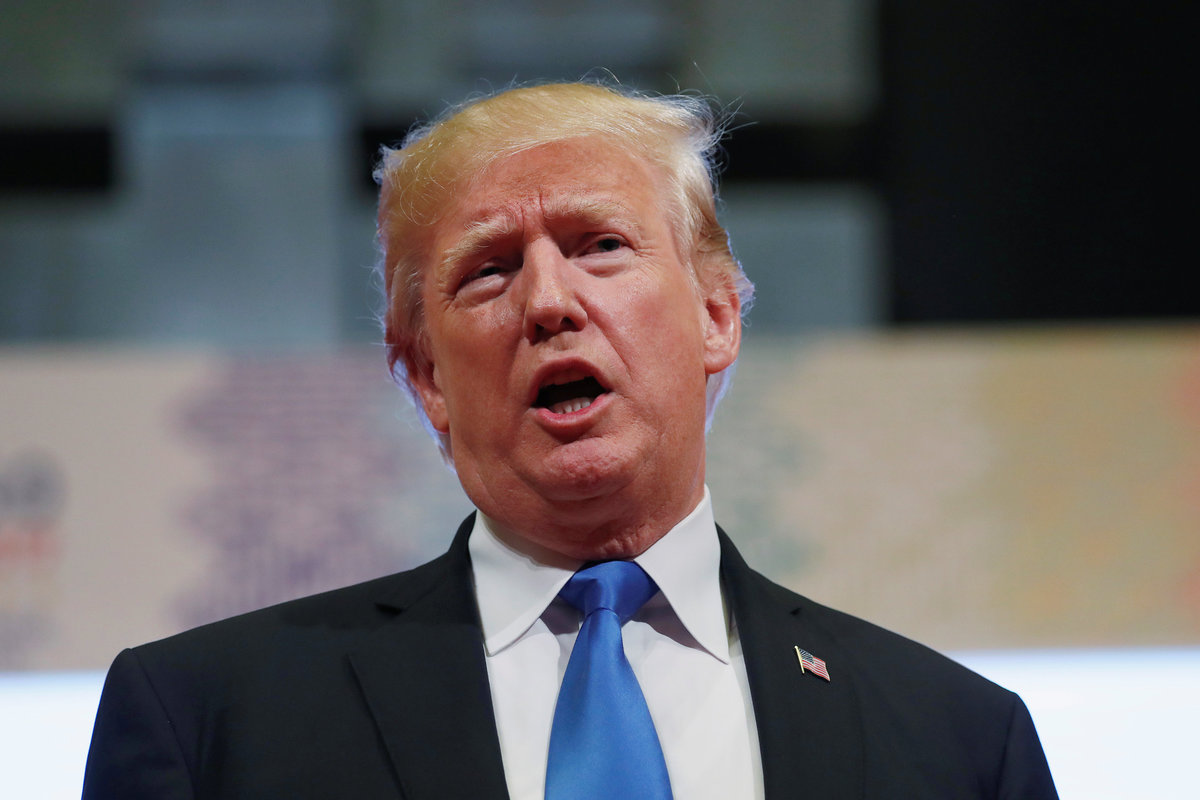
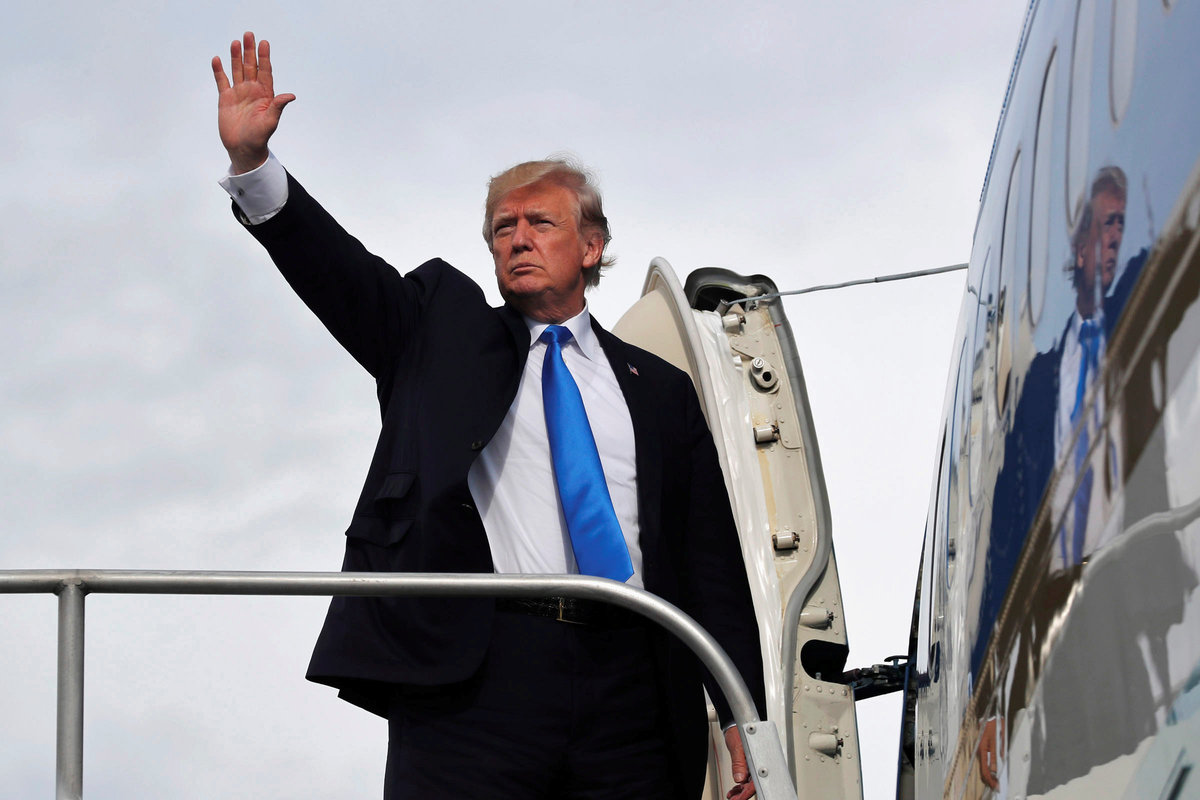
Trump skipped the plenary session of the summit because of scheduling delays, but he said his marathon trip to Asia had been a "tremendous" success.
He told reporters on Air Force One that he had delivered his prepared remarks during a lunch before the summit meeting.
Trump said at least $300 billion, possibly triple that figure, of deals had been agreed in the trip. He did not elaborate.
"We've explained that the United States is open for trade but we want reciprocal, we want fair trade for the United States," he said.
Trade and concern about possible protectionism under Trump's "America First" agenda have come up during his visit to the region, which included stops in Japan, South Korea, China, Vietnam before concluding in the Philippines.
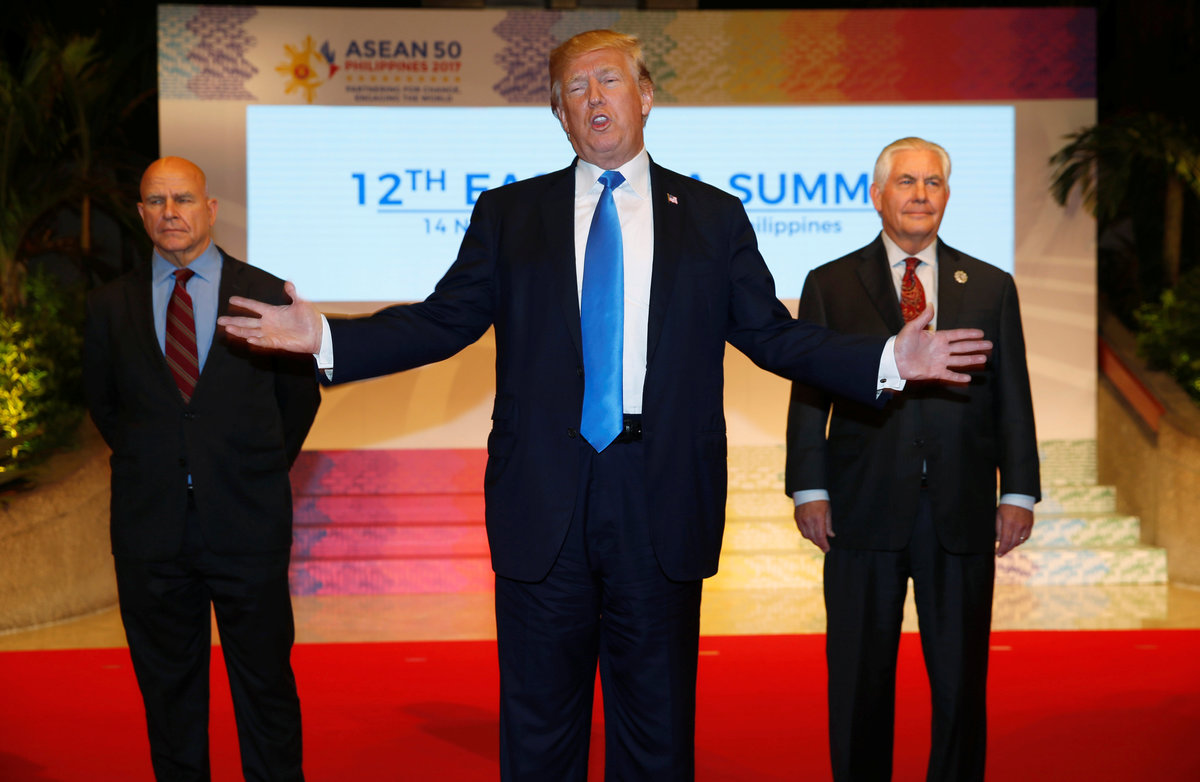
After Trump left Manila, a group of Asia-Pacific nations pursuing a separate Beijing-backed trade deal that does not include the United States agreed to "intensify efforts" in 2018 to bring their negotiations to a conclusion.
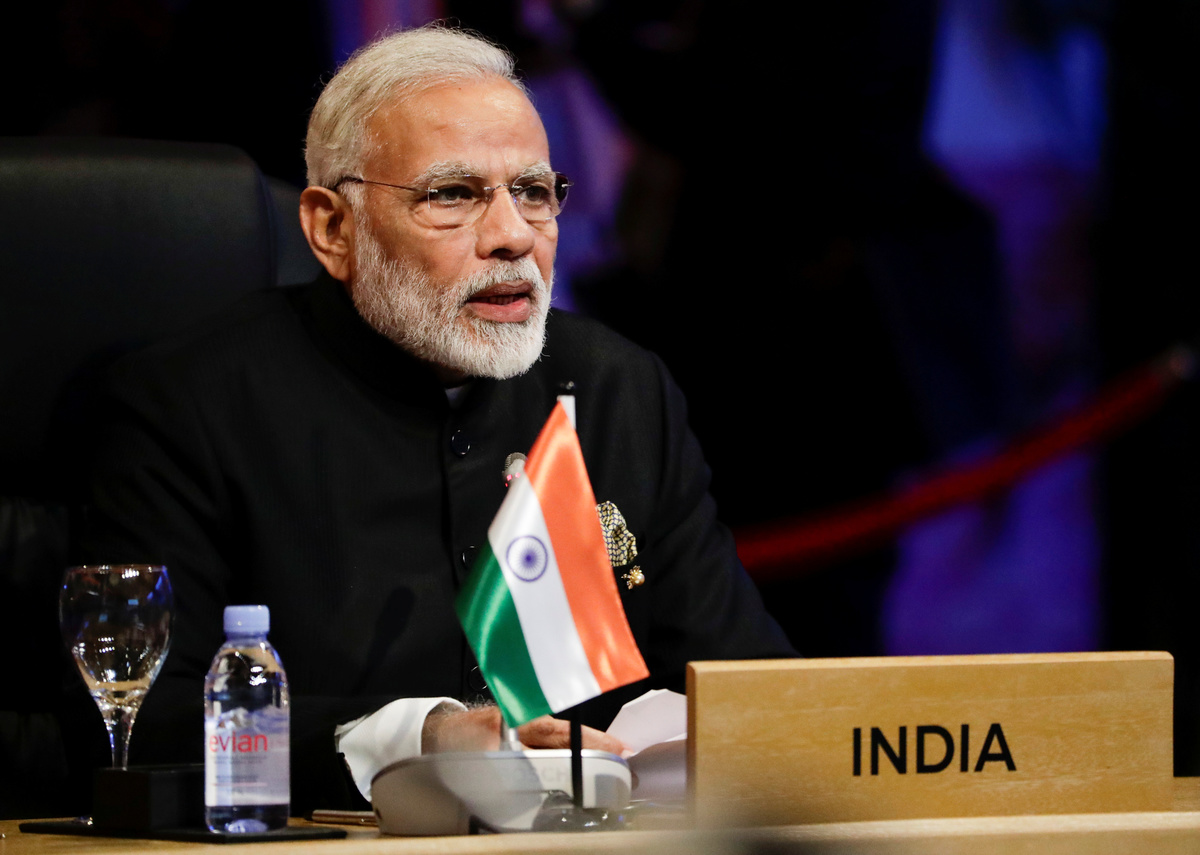
The Regional Comprehensive Economic Partnership (RCEP) appeared to have been given new impetus at the summit by Trump's withdrawal from the Trans-Pacific Partnership (TPP) trade agreement, to which China is not party.
The two trade deals are not mutually exclusive.
ASEAN is joined in the RCEP talks by China, India, Australia, New Zealand, Japan and South Korea.
(Additional reporting by Steve Holland, Martin Petty, Neil Jerome Morales, Manuel Mogato, James Pomfret and Enrico dela Cruz; Writing by Raju Gopalakrishnan; Editing by John Chalmers)