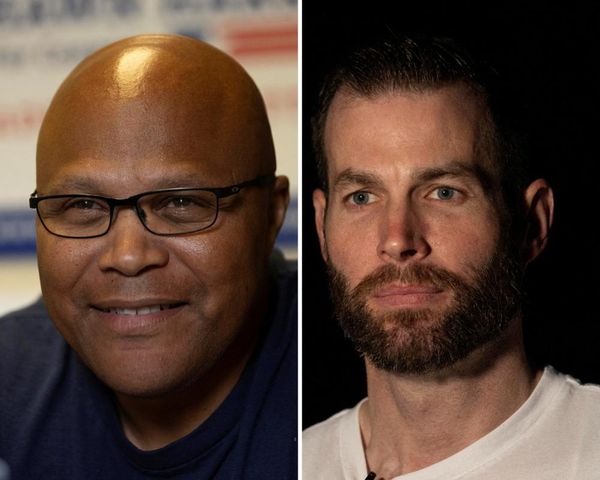

MESA, Ariz. – Cubs third baseman Kris Bryant on Saturday pointed out that the Cubs could keep their entire All-Star core together beyond arbitration years, “if they want to.”
“There’s certainly money out there. It’s a very profitable game,” he said.
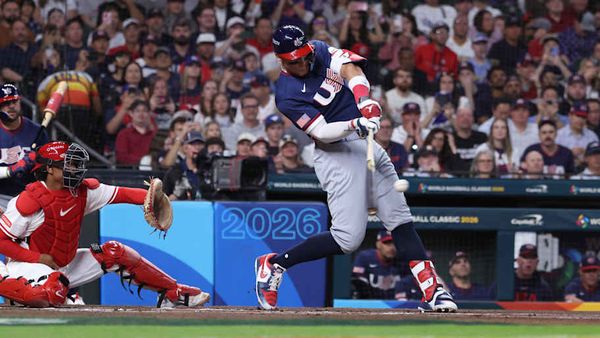
Then the reality check walked into the clubhouse Sunday morning in the form of shortstop Javy Baez, the All-Star the Cubs have worked hardest this winter to extend – a power-hitting, glam-fielding reminder of how the business side of baseball is played in the age of luxury taxes and Mookie Betts salary dumps.
In the Cubs’ case, it’s a reminder that an elite-revenue team with a TV network launching next week is essentially making a choice between keeping a 2016 MVP in Bryant or a 2018 MVP runner-up in Baez – assuming it has the chops to get either one to agree to an extension.
Bryant has been floated in trade talks all winter. Baez and his agent have been engaged with the team all winter on extension talks he says have “been up and down.”
Both have two seasons under club control before free agency eligibility, and neither Bryant nor Baez seems to have the answer as to why the Cubs might eventually feel the need to choose one or the other.
“It’s up to them, to be honest,” Baez said when asked if he thought a decision like that would be made. “I wish and hope we both stay here. Obviously, we want to keep everyone here because we have pretty much the team that won [it all in 2016]. We’ve got a lot of talent, and pretty much everyone is close to the same age.
“It’s the business side. … We’ve got to understand that and keep moving forward.”
The luxury-tax threshold clearly is driving payroll decisions for high-revenue teams coast to coast, including the Red Sox, who dumped MVP outfielder Betts to help reset the penalty schedule in relation to the tax threshold – despite enormous revenues that might otherwise allow them to use their economic strength as a competitive advantage by far exceeding the arbitrarily low $208 million threshold.
That’s just the latest example grabbing players’ attention around the league about an economic system they consider broken — and stoking union animus as they approach negotiations for a new collective bargaining agreement with significant changes in mind.
What’s it mean for the Cubs in the meantime? Bryant turned down a below market extension offer a few years ago and doesn’t seem interested in settling for a hometown discount on an extension at this point in his career – making a Red Sox-like decision seem that much easier to make.
The bigger question might then become whether they can eventually get something done with Baez, who certainly is a willing participant in that ongoing conversation this spring.
“If it happens, I will be grateful. I want to be here my whole career,” said Baez, who seems less certain about taking talks past Opening Day if nothing gets done during the spring.
“It depends on my agency and how they want to do it,” he said. “But I do want to be focused on baseball.”
Does he believe they’ll be able to reach agreement?
“It’s been up and down. It’s business,” he said. “It’s really tough. I’ll let them work that out, and if it works, great. If not, we’ve got another year.”