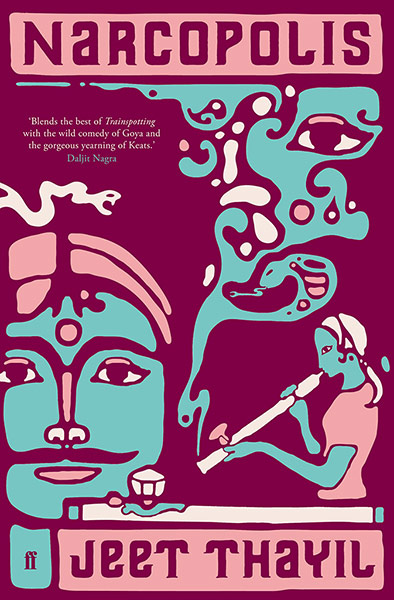
This woozy, dreamlike tale of opium dens and heroin addiction in Mumbai has already been shortlisted for the Man Booker. The Guardian called it 'a blistering debut that can stand proudly on the shelf next to Burroughs and De Quincey. Thayil may have lost almost 20 years of his life to addiction, but we can celebrate that he emerged intact and gave us this book'
Guardian review
Audio: Jeet Thayil on writing Narcopolis
Video: Why Narcopolis should have won the Booker Photograph: PR
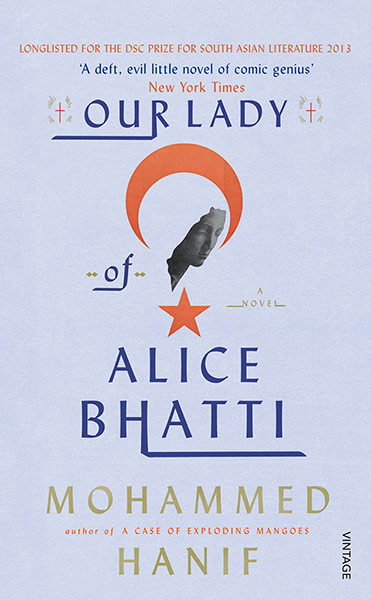
'How refreshing that Mohammed Hanif, Booker-longlisted author of A Case of Exploding Mangoes and perhaps Pakistan's brightest English-language voice, has chosen to view his country through the eyes of a (lapsed) Christian – the eponymous Alice Bhatti, a hard-nosed, warm-hearted nurse,' said the Guardian's review. 'Hanif does Karachi better than Rushdie does Bombay; his city is startlingly detailed but not exoticised, more realist than romantic, yet faithful to Karachi's strangeness, teetering always on the edge of the surreal.' It's an apocalyptic comedy, a satire on intolerance and corruption, and a love story to boot
Guardian review Photograph: PR
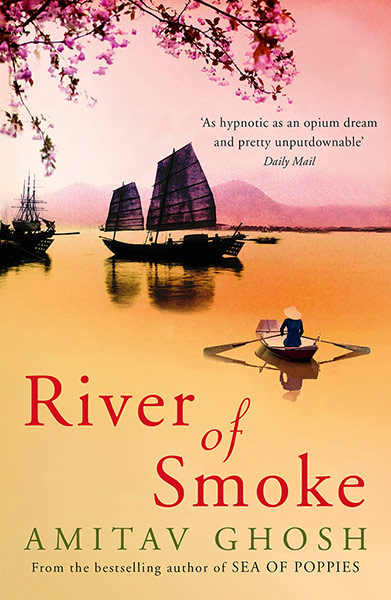
River of Smoke is the second in Ghosh's immersive trilogy about the rise of the opium trade. The first, Sea of Poppies, took us along the Ganges to Calcutta, where the poppies are grown and the opium processed. Now we follow the story through to Canton in China, where the opium is sold and huge fortunes are being made by shameless traders, mostly British. 'Ghosh's novels somehow succeed in taking us back inside the chaos of when "then" was "now",' wrote Tessa Hadley in the Guardian. 'The story of the opium trade is an ugly one, but the spirit of the novel is enthusiastic tragicomedy, not moralising post-hoc gloom.'
Guardian review
Q&A: How I wrote River of Smoke Photograph: PR
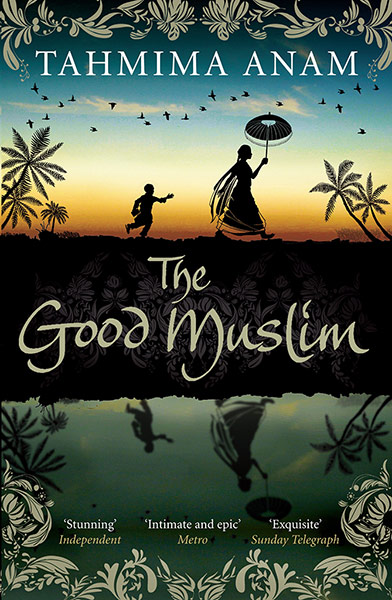
'Powerful and ambitious, The Good Muslim more than fufils the promises of Tahmima Anam's celebrated debut, A Golden Age,' said the Guardian review. Again Anam examines 'the consequences of war, the hazards of an uneasy peace, the gains and losses of nation-building, and the rewriting of history' in the aftermath of Bangladesh's 1971 war of independence. The outcome was 'a victory that does not feel like a victory, a liberation that is a damnation for many' wrote Bidisha in the Observer
Guardian review
Observer review
Video: Tahmima Anam on her novel, and the Pakistani literary scene Photograph: PR
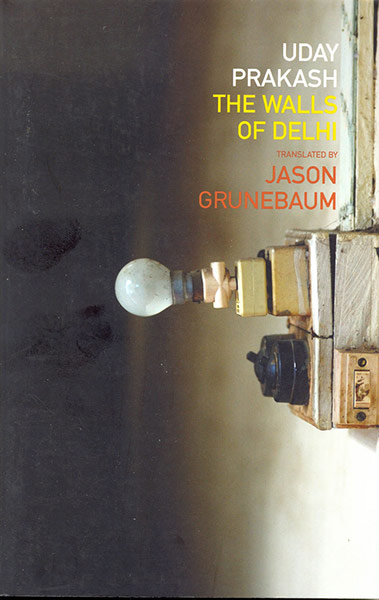
Uday Prakash's book is the only one of the six-strong shortlist not yet released – and acclaimed – in the UK. The Walls of Delhi comprises three linked novellas about caste, class and the everyday struggle to survive in today's urban, globalised India. A sweeper discovers a cache of dirty money; a dalit is targeted by an upper-caste identity thief; a slum baby’s head won't stop growing. 'There’s no such thing as the Third World,' says one character. 'There are only two worlds, and both of them exist everywhere. In one live those who create injustice, and all the rest, the ones who have to put up with injustice, live in the other.' Photograph: PR
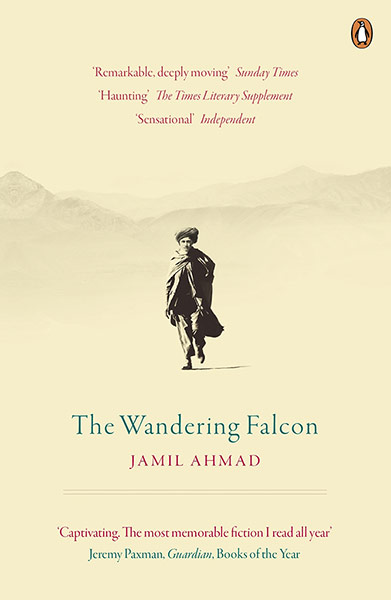
In the 1970s Jamil Ahmad, a civil servant, wrote a set of linked stories about the nomads he met while working in remote tribal areas of Pakistan. More than three decades later, the manuscript made it to an editor at Penguin India. The Guardian acclaimed the wisdom and empathy with which the book illuminates a harsh, barely known world, declaring that 'the power and beauty of these stories are unparalleled in most fiction to come out of south Asia'
Guardian review
Observer review Photograph: PR