The career of Pittsburgh Steelers star T.J. Watt has been placed in jeopardy after the 2021 NFL Defensive Player of the Year sustained a partially collapsed lung during a dry needling procedure, an incident that has cast a stark light on a common, yet not risk-free, treatment widely used across the league.
Watt is now sidelined indefinitely following surgery, prompting renewed scrutiny of the practice.
Dry needling, a technique employed by physical therapists and acupuncturists, involves inserting thin needles into muscles to target 'trigger points' – areas of tightness or tenderness.
According to the Cleveland Clinic, it is designed to alleviate pain and improve movement by increasing blood flow to the affected area and stimulating the release of endorphins. The treatment is termed 'dry' because, unlike injections, the needles carry no medication.
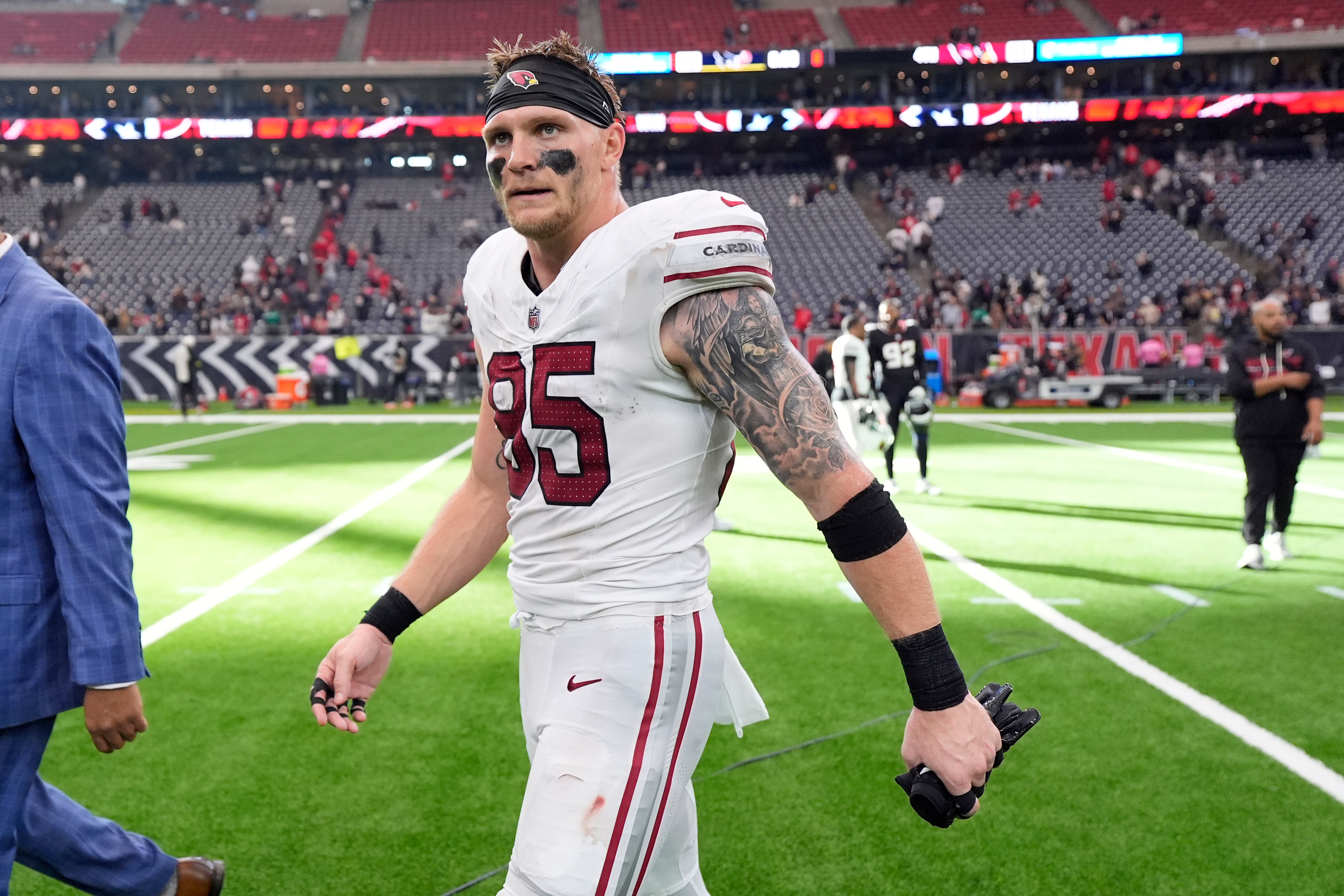
Despite Watt's serious setback, many NFL players, including Arizona Cardinals tight end Trey McBride, plan to continue their regular dry needling sessions.
"It’s something I do frequently. I’ve never had an issue like that," McBride stated, acknowledging the inherent dangers. "But with every treatment, everything that you get done, I mean, there’s risk to everything."
Chicago Bears centre Drew Dalman, who undergoes the treatment up to ten times a year, described a "systemic reaction" that draws blood flow to affected areas, likening it to "classic acupuncture muscle tension effect."
New York Giants linebacker Bobby Okereke elaborated on its efficacy: "It just releases tight muscles... it helps release some of the fascia, too. It can kind of give you like a targeted trigger-point release where massage might not be able to get the muscle to release or different stretching techniques might not."
Baltimore Ravens defensive lineman John Jenkins, a 360-pound veteran, relies on weekly lower extremity sessions to "loosen up a lot of muscles that are pretty much tense."
He added, "I’m a bigger person, right? So whatever helps me to loosen the muscles, I’m going to pursue that." Atlanta Falcons offensive lineman Kyle Hinton, aware of Watt's incident, maintains trust in the professionals, noting, "sometimes just stuff happens."
However, not all players are entirely comfortable with the procedure. Washington Commanders guard Sam Cosmi, a long-time user since his college days, described the sensation as a "bite" and only undergoes it "when I have to do it. It’s not my favourite thing."
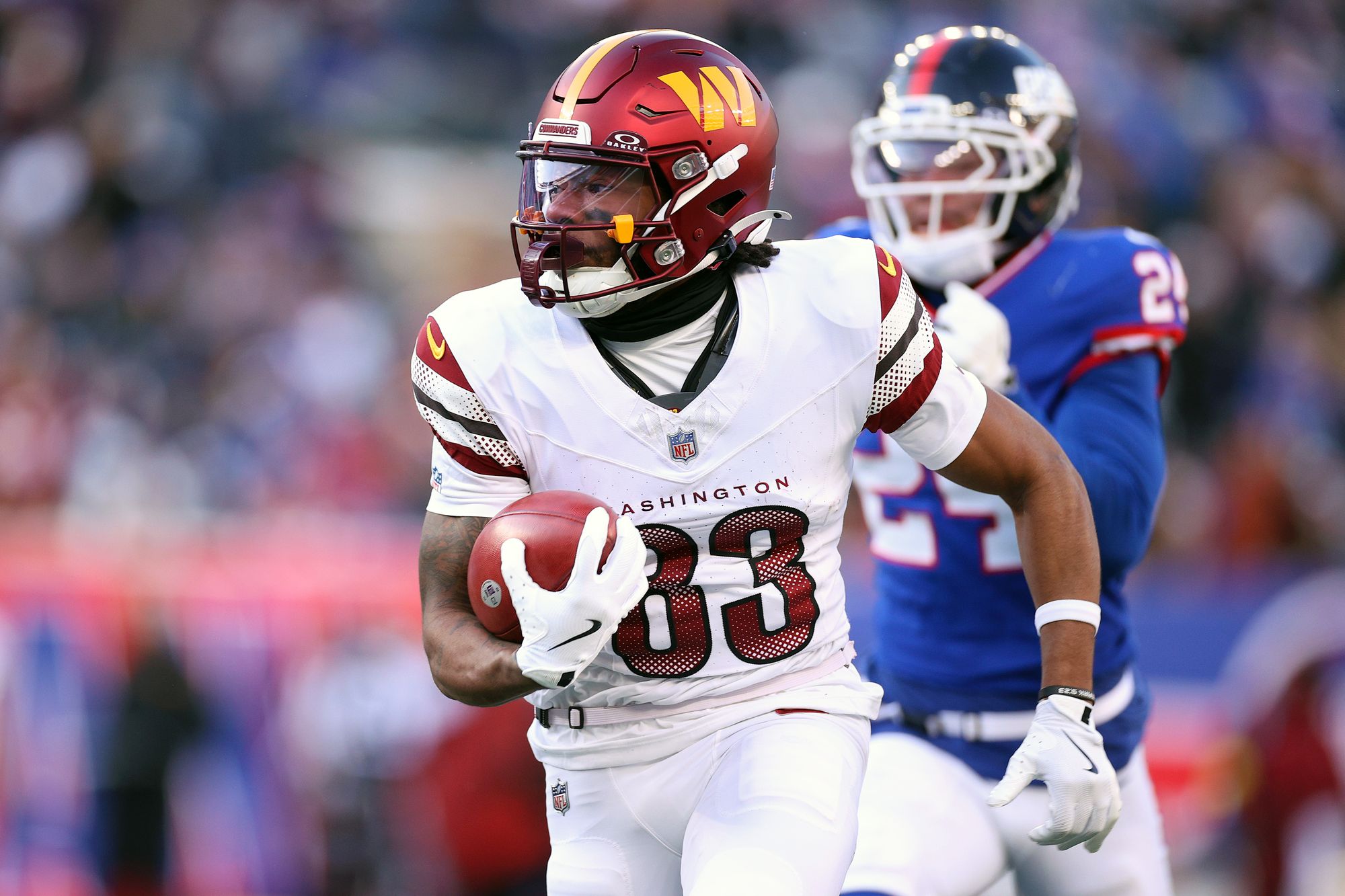
He, along with Tennessee Titans centre Lloyd Cushenberry and Commanders receiver Jaylin Lane, are particular about where they receive treatment, often limiting it to lower body areas and avoiding the torso.
Cushenberry, who found some relief for a calf issue but questioned its overall effectiveness ("maybe a placebo"), stated, "I’m a lower-body guy. If I’m getting dry-needled, stick it in my legs." Lane admitted Watt's injury made him "nervous."
Dry needling techniques vary, from superficial insertions into the skin's bottom layer to deep penetration of muscle tissue, and even a 'pistoning' method where the needle is quickly moved through the tissue.
The Cleveland Clinic notes that dry needling is approved in 37 US states and Washington, D.C., though training and certification standards vary significantly. Pennsylvania, notably, has no explicit stance on its legality.
The incident involving T.J. Watt serves as a stark reminder of the inherent risks in even seemingly routine medical procedures.
Yet, for many NFL players seeking relief from the immense physical toll of professional sport, dry needling remains a valued, albeit carefully considered, component of their pain management regimen, with its continued use reflecting a calculated balance between potential benefits and acknowledged dangers.
Eagles fan still recovering from New Year’s terror attack gets big surprise from team
New NFL era dawns as Mahomes and two other legends to miss playoffs
Former college football star known for his mullet and touchdown celebration dies
The world’s tallest teenager achieves new career feat in college basketball game
Luis Suarez signs new contract to stay at Inter Miami with Lionel Messi
NBA chief gives Miami Heat update amid ongoing Terry Rozier gambling case