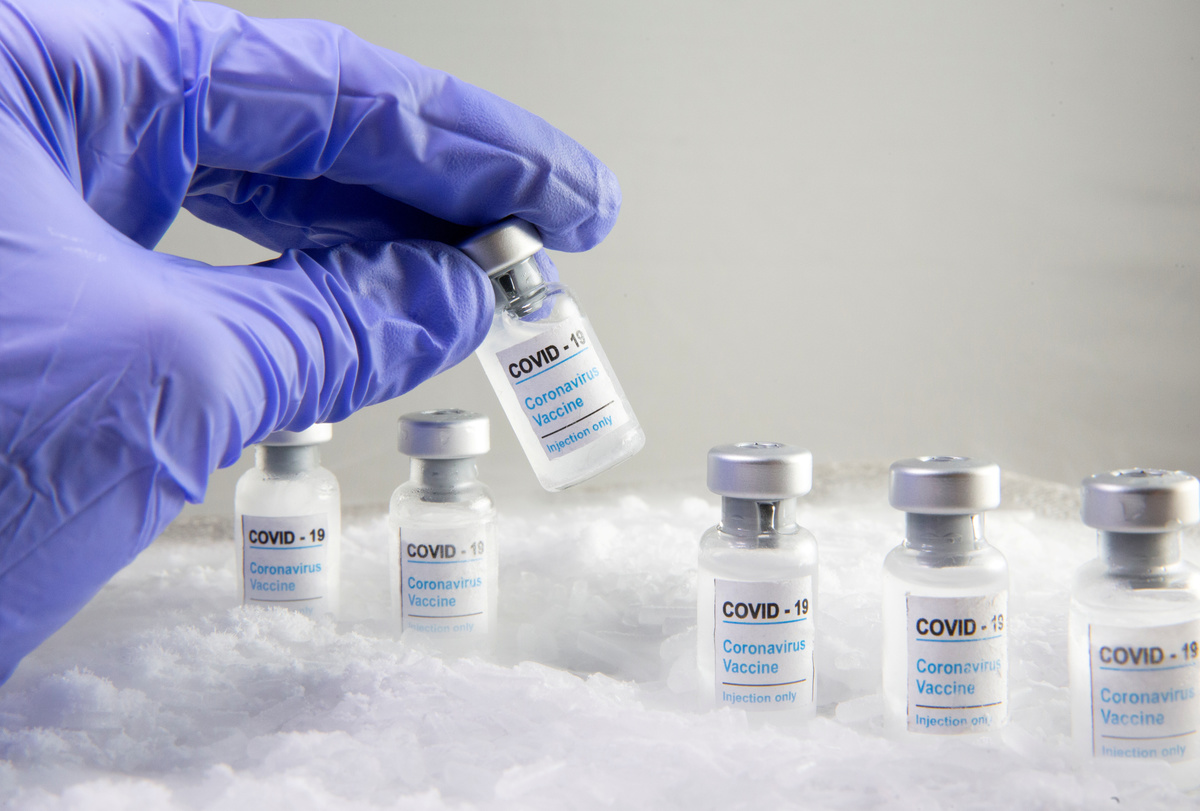
At least four drugmakers expect their COVID-19 vaccines will be effective against the new fast-spreading variant of the virus that is raging in Britain and are performing tests that should provide confirmation in a few weeks.
Ugur Sahin, chief executive of Germany's BioNTech, which with partner Pfizer Inc, took less than a year to get a vaccine approved, said on Tuesday he expects its messenger RNA (mRNA) vaccine to still work well.
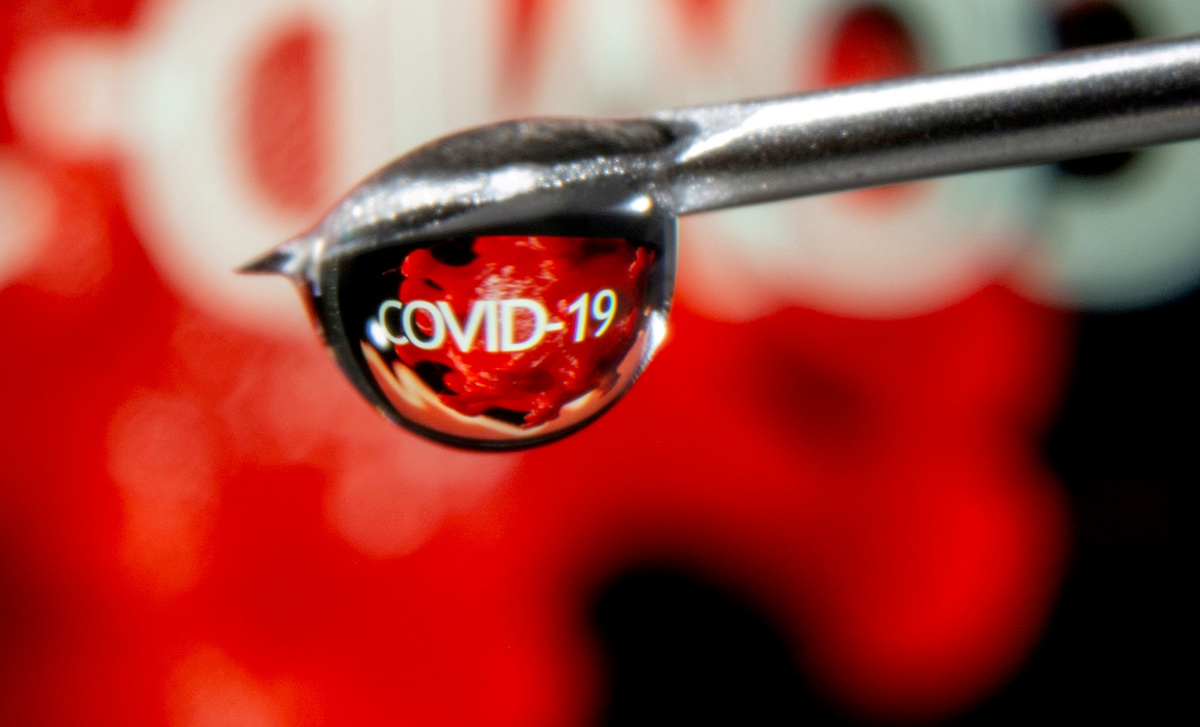
Moderna Inc, Germany's CureVac and British drugmaker AstraZeneca Plc also believe their shots will work against the new threat that has sown chaos in Britain, prompting a wave of travel bans that are disrupting trade with Europe and threatening to further isolate the island country.
"Scientifically it is highly likely that the immune response by this vaccine can also deal with this virus variant," he said on a call with reporters.
Sahin said it will take another two weeks or so of study and data collection to get a definitive answer.
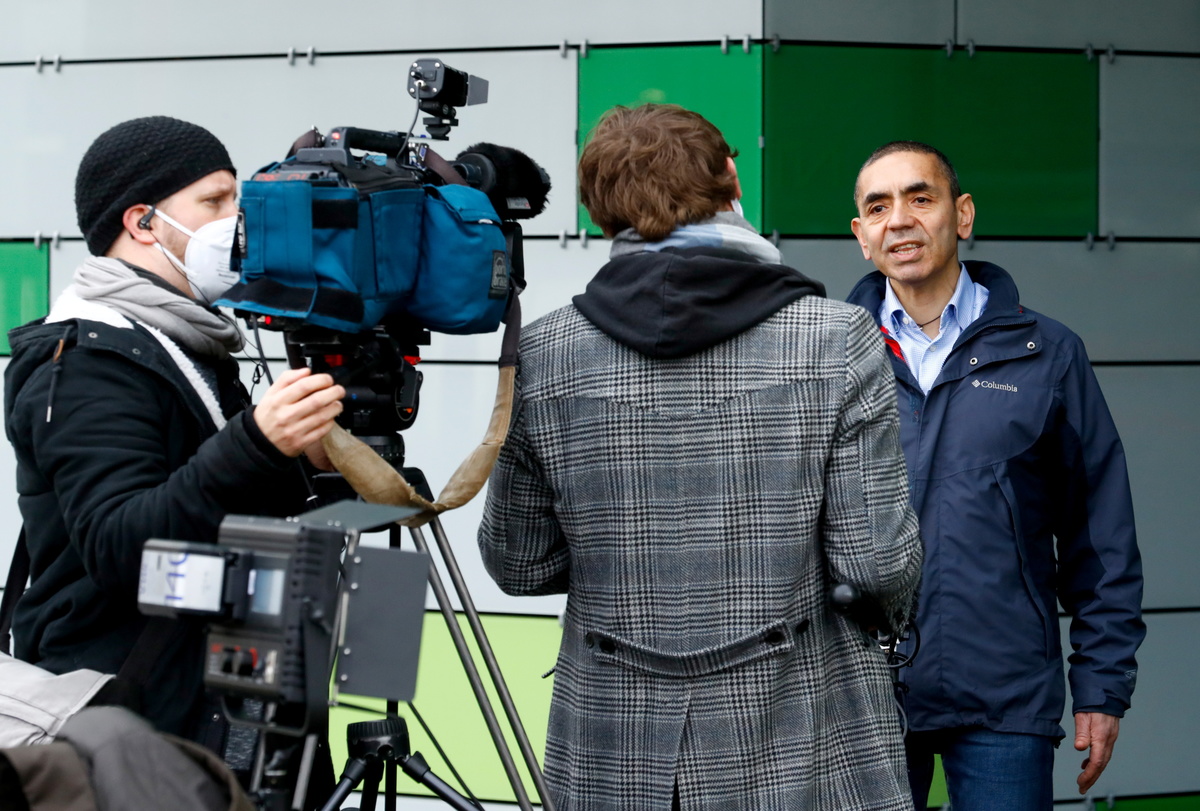
"The vaccine contains more than 1,270 amino acids, and only nine of them are changed (in the mutated virus). That means that 99% of the protein is still the same."
The mutation known as the B.1.1.7 lineage may be up to 70% more infectious and more of a concern for children.
In the event that the variant presents vaccine developers with an unexpected challenge, an advantage of mRNA is that scientists can quickly re-engineer genetic material in the shot to match that of the mutated protein, whereas modifying traditional vaccines would require extra steps.
"In principle, the beauty of the mRNA technology is we can directly start to engineer a vaccine which completely mimics this new mutation," Sahin said.
"We could be able to provide a new vaccine technically within six weeks. Of course, this is not only a technical question. We have to deal with how regulators... would see that."
Pfizer/BioNTech, Moderna and CureVac all developed mRNA vaccines, while AstraZeneca has a more traditional vaccine that uses an adenovirus found in chimpanzees to deliver genetic material from the coronavirus to spur an immune response.
Germany's CureVac started late-stage clinical trials on its vaccine candidate last week and is constantly reviewing variants, which the company said are common as viruses spread.
Britain's chief scientific adviser Patrick Vallance said on Saturday vaccines appeared to be adequate in generating an immune response to the variant of the coronavirus.
The World Health Organization (WHO) said on Tuesday it will convene a meeting of members to discuss strategies to counter the mutation.
(Reporting by John Miller in Zurich, Rama Venkat and Kanishka Singh in Bengaluru and Patricia Weiss in Frankfurt; Editing by Kirsten Donovan and Lisa Shumaker)