Drought and wildlife in Kenya's Masai Mara reserve – in pictures
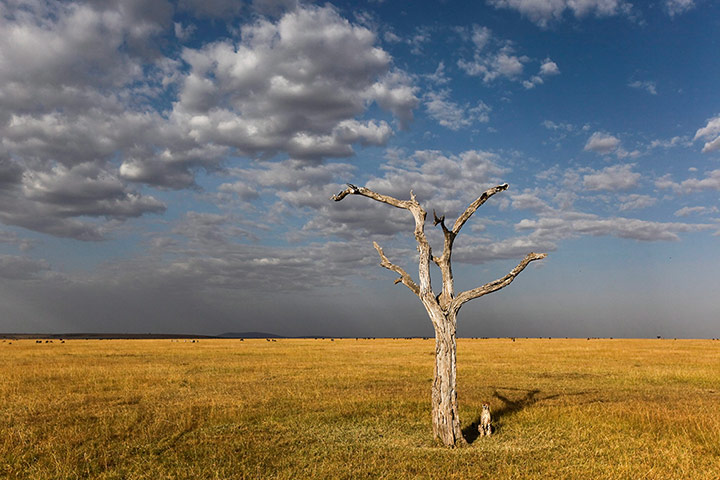
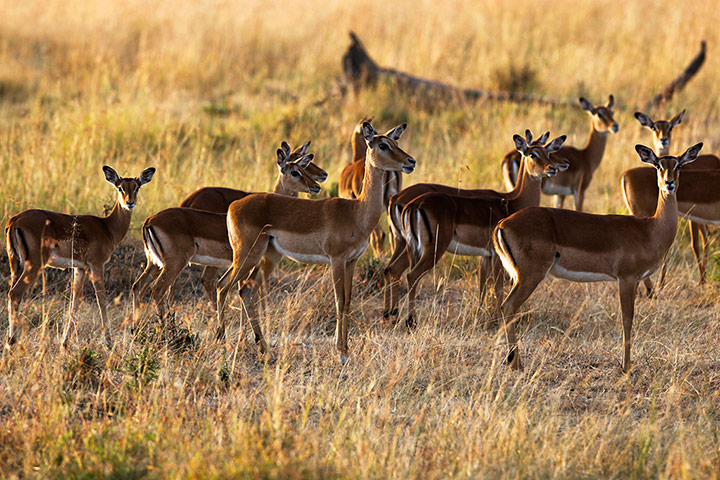
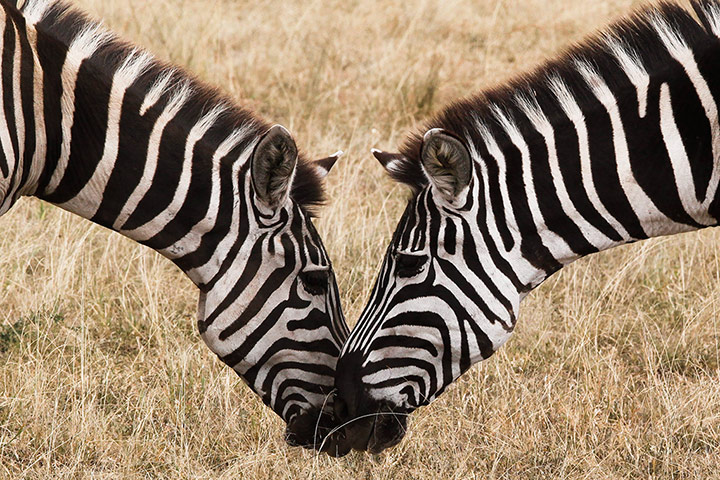
A cheetah sits by a tree in the Maasai Mara National Reserve, south-western Kenya, in February. A recent prolonged drought has caused widespread animal deaths across the country's protected wildlife reservesPhotograph: Dai Kurokawa/EPAFemale impala in the Masai Mara reserve are among the animals threatened by the droughtPhotograph: Dai Kurokawa/EPAKenya has more than 1,000 species of birds, 261 types of mammal (such as these zebras) and 6,500 plant speciesPhotograph: DAI KUROKAWA/EPA
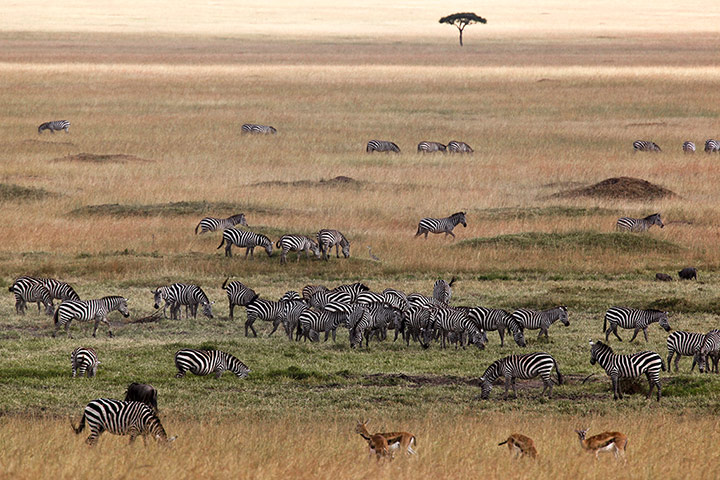
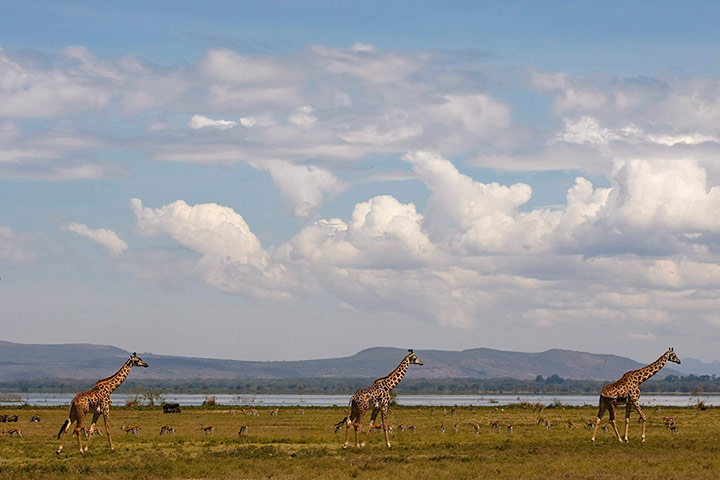
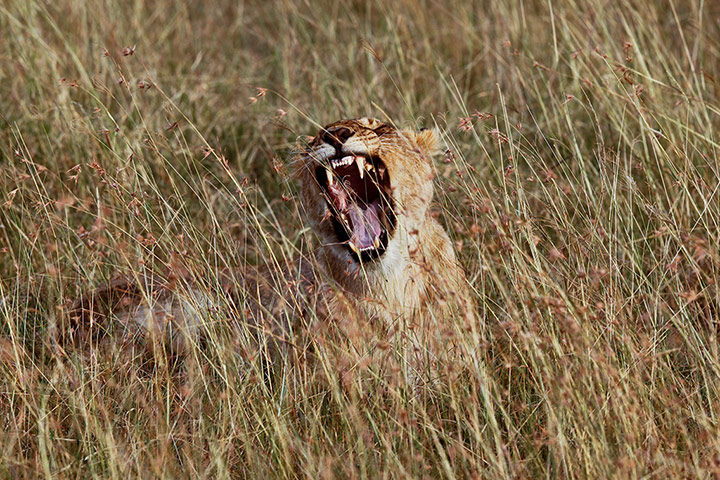
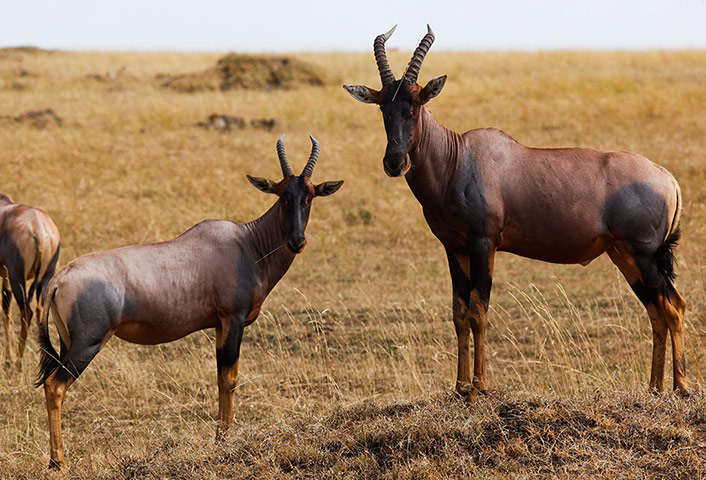
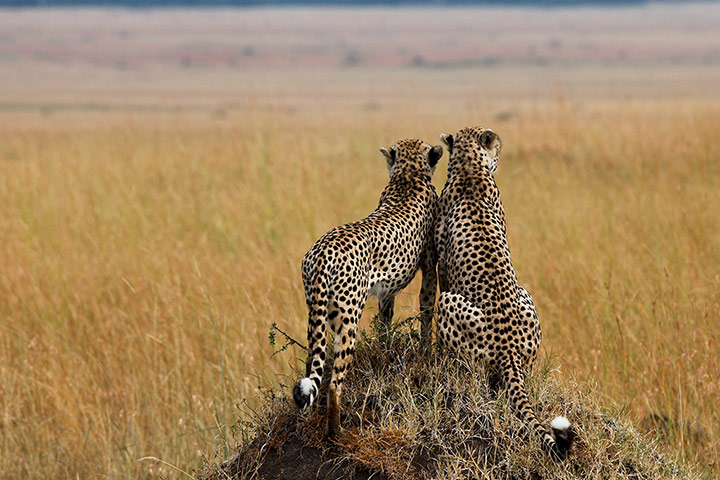
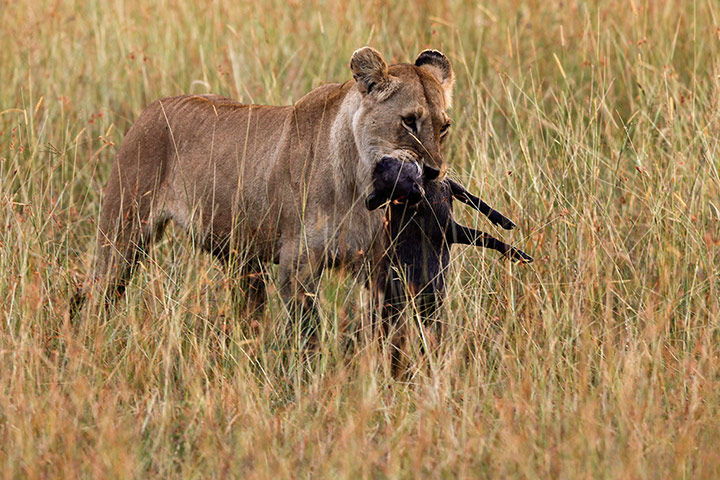
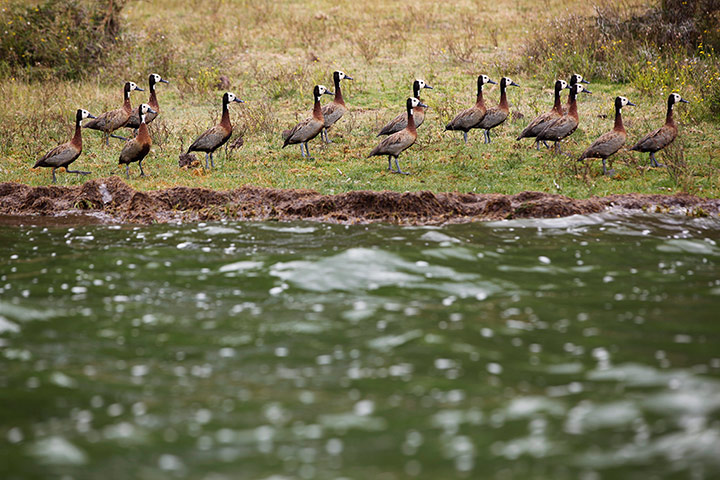
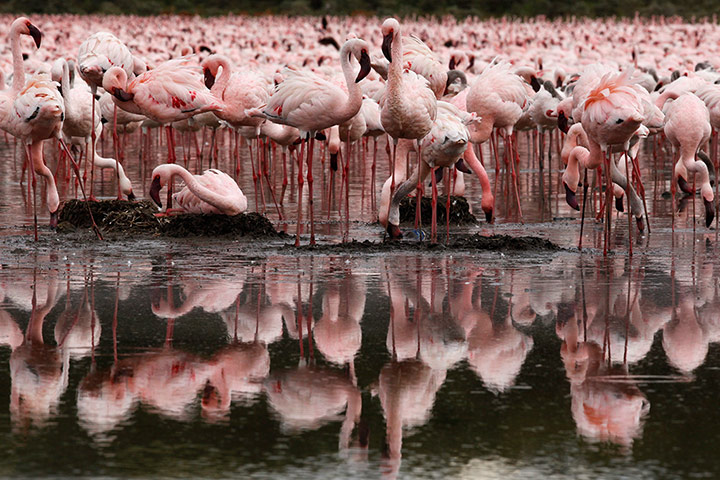
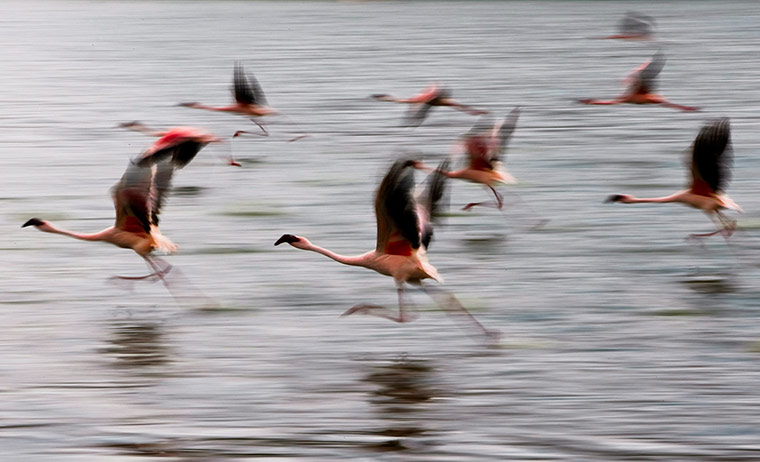
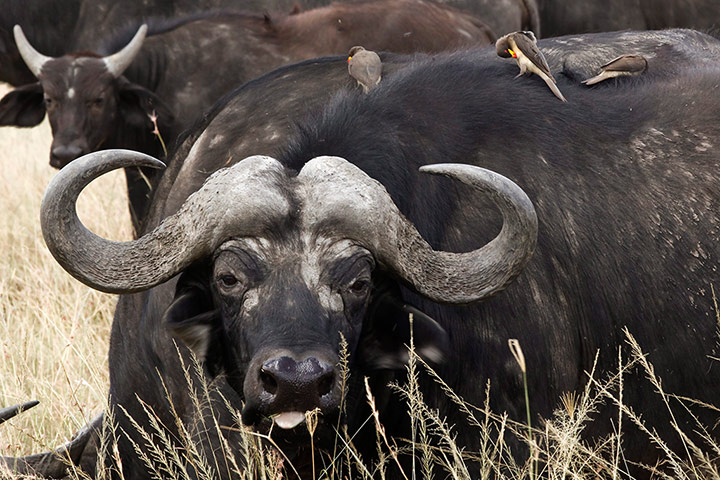
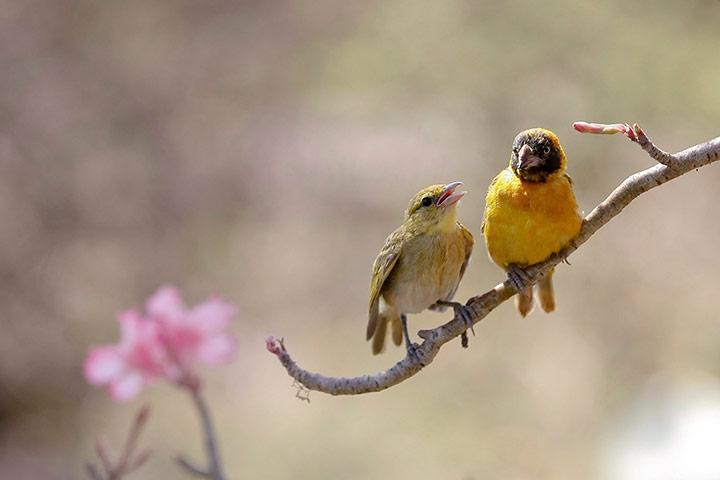
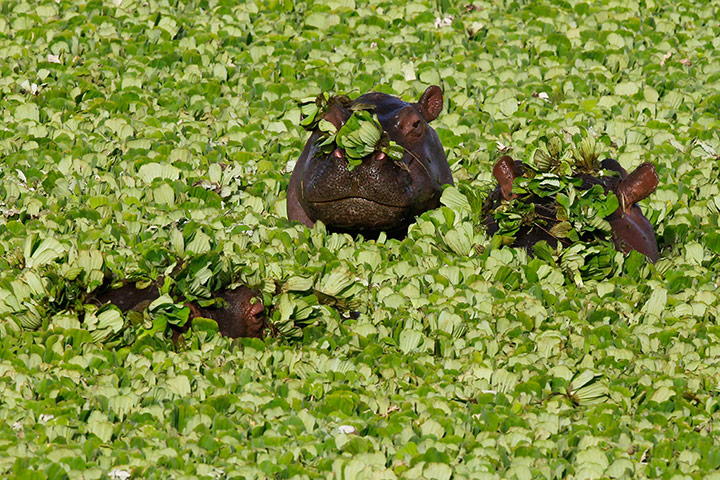
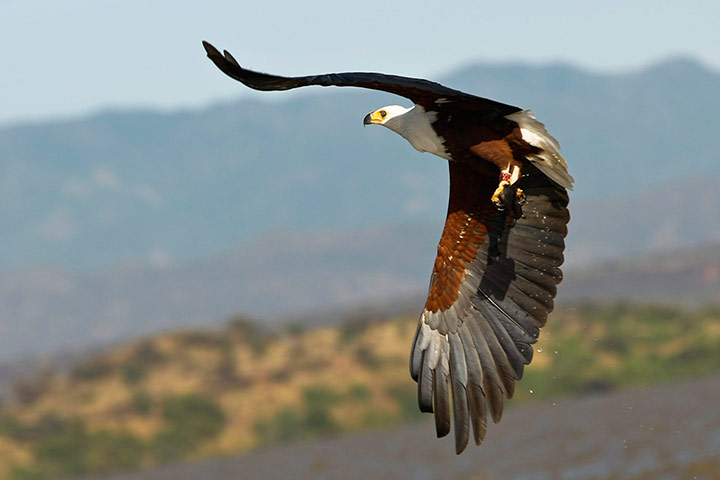
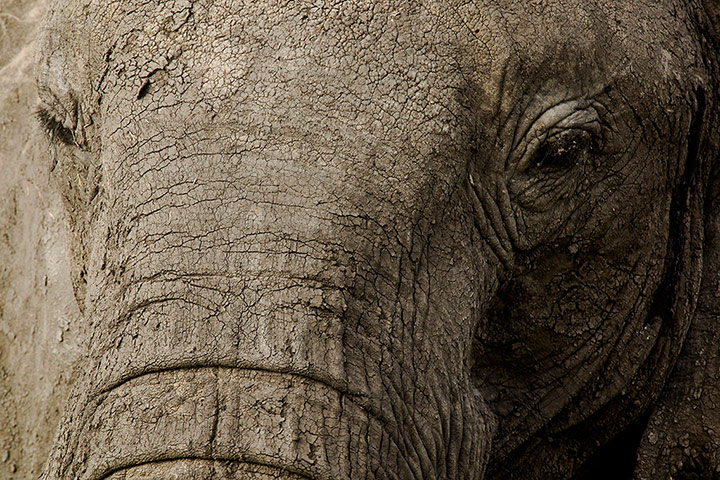
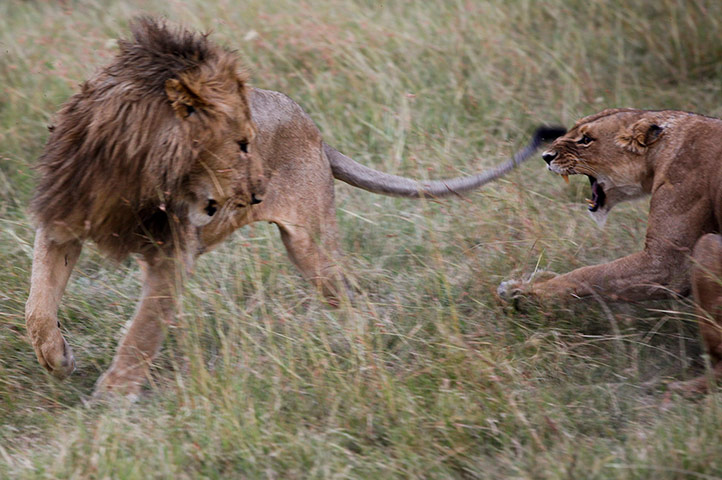
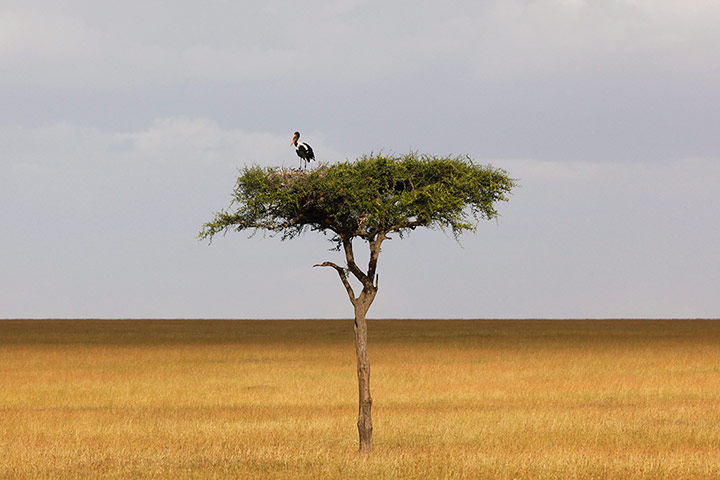
Zebras share the plain with Thomson's gazelles. The drought has also hit animals including elephants and buffalo Photograph: Dai Kurokawa/EPAGiraffes tower over Thomson's gazelles on Crescent Island in Lake Naivasha. More than 60% of Kenya's biodiversity lies outside protected conservation areasPhotograph: Dai Kurokawa/EPAA lioness yawns while on the hunt in the Masai Mara reserve. Lions and other carnivores have not been immune from the knock-on effects of the droughtPhotograph: Dai Kurokawa/EPAFalling numbers of prey animals such as these topies has triggered a shortage of food for carnivores such as lions and hyenasPhotograph: Dai Kurokawa/EPACheetahs scan for prey in the Masai Mara reserve. Wildlife plays a major role in Kenya's socioeconomic development: tourism is Kenya's largest source of foreign currency revenuePhotograph: Dai Kurokawa/EPAA lioness clutches a baby warthog. Lions have been found poisoned as the drought forces pastoralists to move their cattle, which some farmers then lace with highly toxic pesticides to kill the lions that subsequently attack them when they're on the movePhotograph: Dai Kurokawa/EPAA phalanx of Egyptian geese in formation on the shore of Lake Oloiden, near NaivashaPhotograph: Dai Kurokawa/EPAFlamingos at Lake Oloiden. Human-wildlife conflict has been a serious obstacle to wildlife conservation in KenyaPhotograph: Dai Kurokawa/EPAFlamingos take off from Lake Oloiden. Increasing human population has brought not only planned development but unplanned changes to land use and climatePhotograph: Dai Kurokawa/EPABuffalo in the Masai Mara reserve have been among the worst-hit animals by the droughtPhotograph: Dai Kurokawa/EPABlack-headed weavers rest on a tree in Lake Baringo national park, western KenyaPhotograph: Dai Kurokawa/EPAHippopotamuses surface elegantly in a foliage-covered pond in the Masai Mara reservePhotograph: Dai Kurokawa/EPAA fish eagle clutches its prize at Lake Baringo national parkPhotograph: DAI KUROKAWA/EPAAn African elephant in the Masai Mara reservePhotograph: Dai Kurokawa/EPACourting lions have a strange way of showing it at Masai Mara reservePhotograph: Dai Kurokawa/EPAA saddle-billed stork perches atop a tree in the Masai Mara reserve. Kenya is tasked with a difficult yet indispensable mission: to conserve the wildlife on which it and the planet relyPhotograph: Dai Kurokawa/EPA
Sign up to read this article
Read news from 100's of titles, curated specifically for you.