There’s no better way to celebrate the rites of spring than packing a bag, finding the nearest country-bound road and setting off on a great British road trip. Fact. That said, in 2019, it’s hard to embark on a recreational drive without feeling at least a slight pang of guilt; in between startlingly warm winters and school pupils calling for radical climate action via nationwide strikes, climate change is front of mind (as it should be).
So we want to hit the road and take the high road, which is why a friend and I have decided to take a sustainable spin on the classic countryside drive. We hire Volkswagen’s new e-Golf, an electric version of the iconic hatchback that packs a zero-emission engine – perfect for guiltless road tripping.

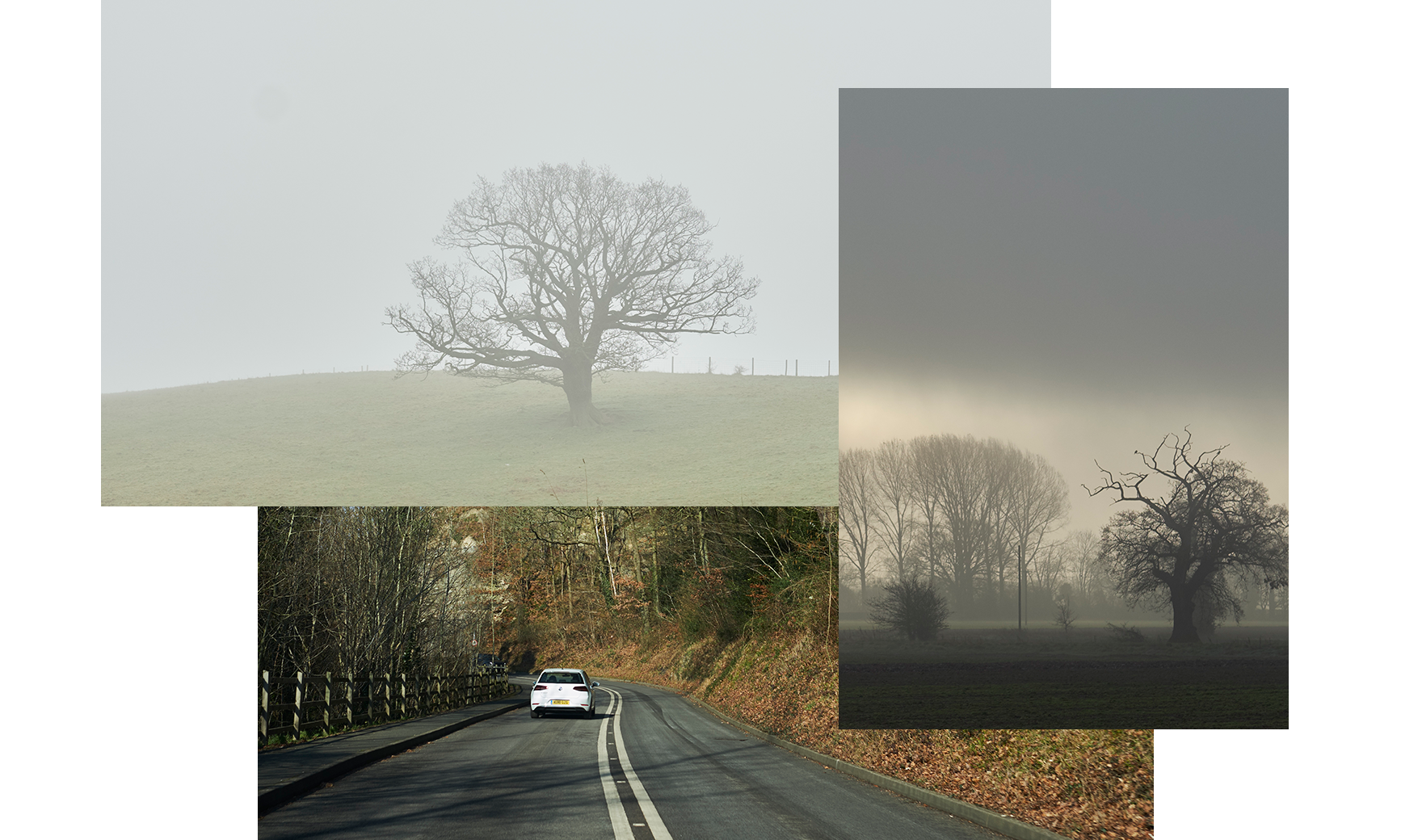
Guilt isn’t the only thing the car is low on. With no revving, ignition or gear changes, we set off from Birmingham towards the green hills of Shropshire in relative silence. Even as we reach the motorway, it’s a disarmingly peaceful driving experience. Otherwise, the go-kart analogies aren’t unfounded: the acceleration is powerful and it’s remarkably fun and easy to drive.
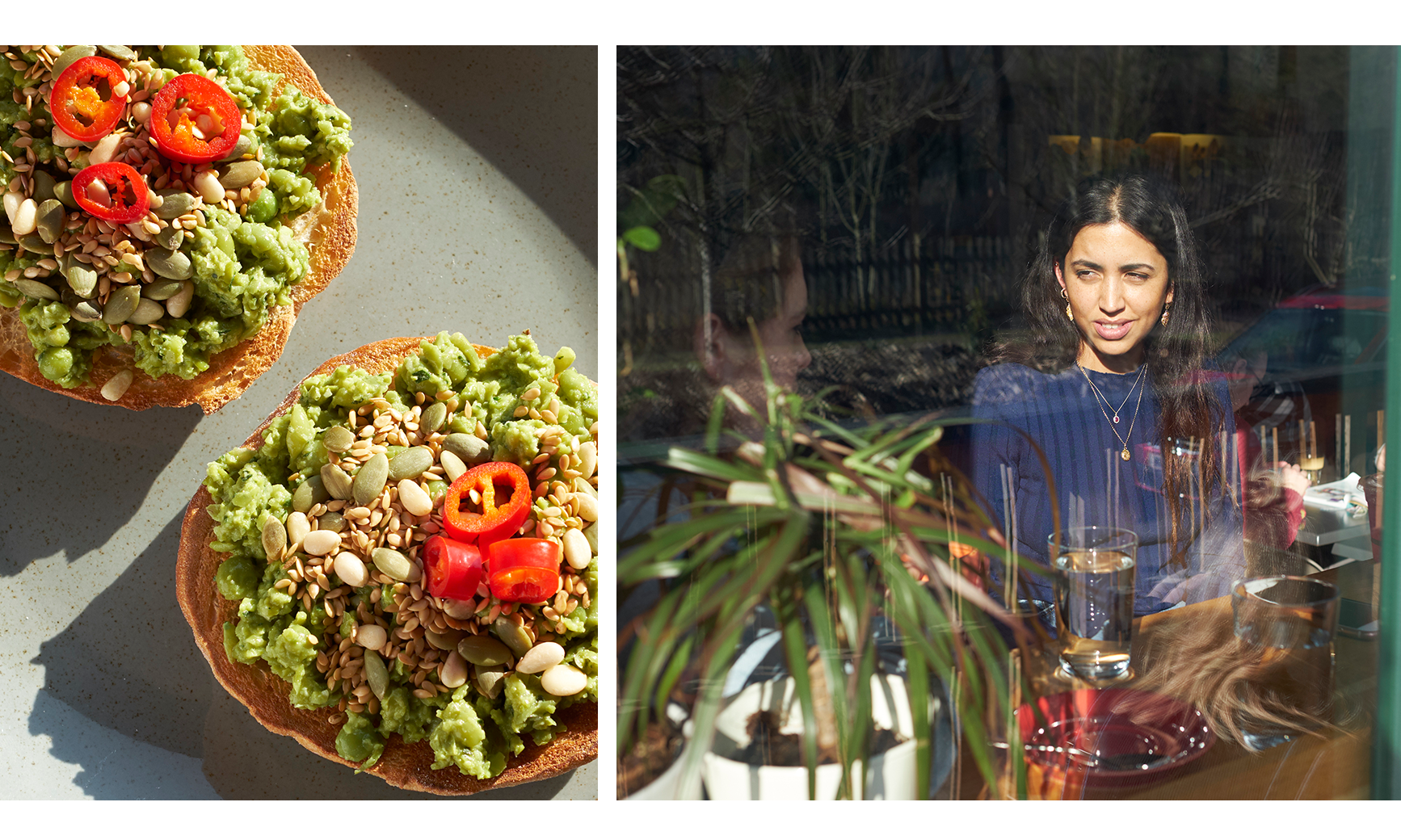
We head past Telford, through the historic town of Ironbridge, to The Green Wood Café for breakfast within the wood at the Ironbridge Gorge. With a fine line on sourdough and a load of live music and food events, the cafe is part of The Small Woods Association – an organisation promoting sustainable living through “a wood based economy”, by training a new generation to work with small woodlands. Naturally, the cafe is all-natural, and our fresh fruit smoothies come with a cheery disclaimer: “I know it looks like plastic, but the cup and straws are entirely biodegradable.”
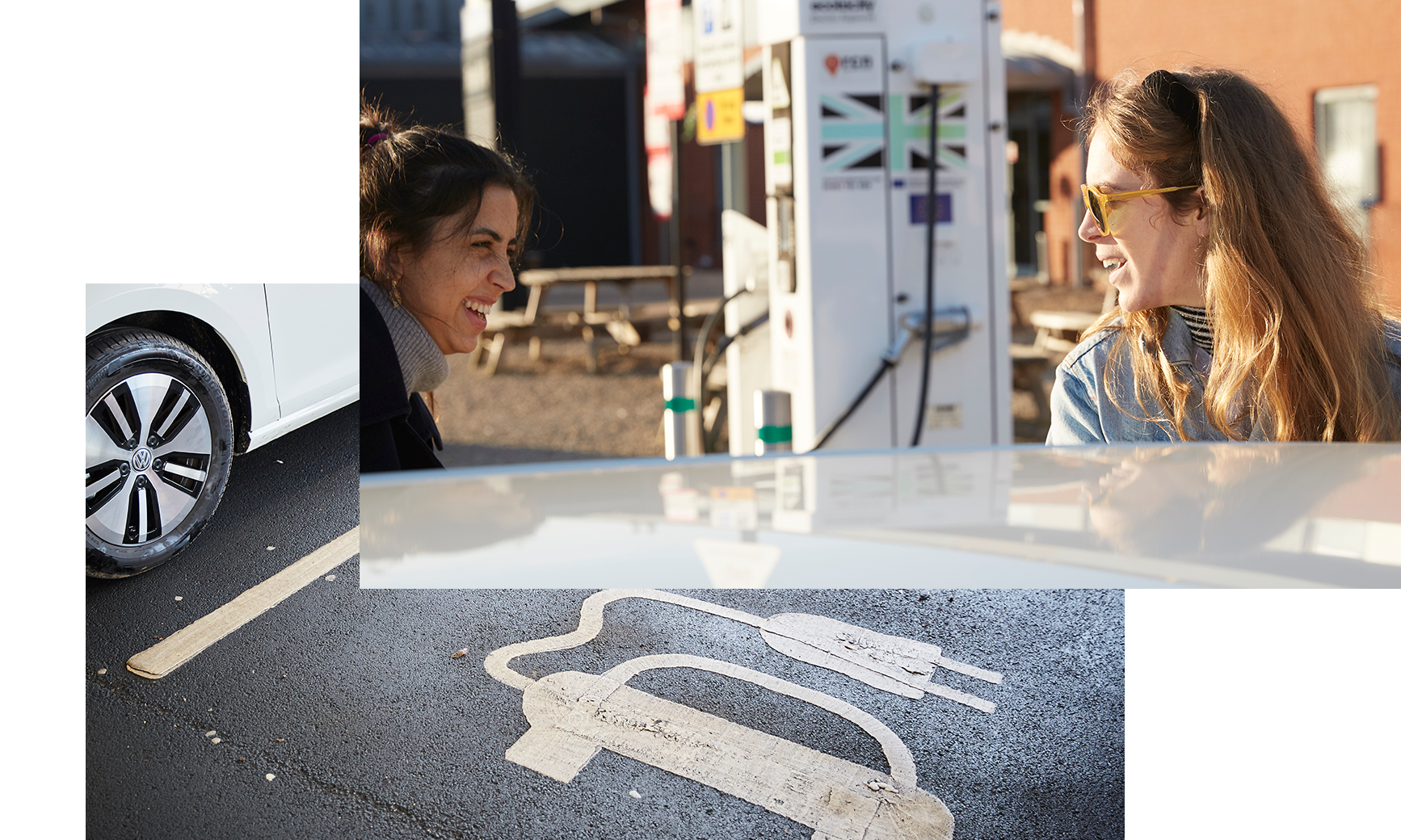
Back on the road, we discuss the elephant in the e-Golf: we’re getting a bit low on battery. A quick lesson in electric vehicles: dedicated fast chargers, which are becoming more readily available in public spaces such as restaurant and supermarket carparks, take about four hours for a full charge. The best options – rapid chargers – are generally located at service stations, where you can charge to 80% in just 35 minutes. And, if all else fails, our e-Golf can actually be charged through a normal household plug – so we’ve got options.
After checking Zap-Map – an app showing the UK’s charging points – we head to the closest: an Asda superstore 10 minutes away. We plug the car in and take a high-glamour stroll. Half an hour in, we’ve got 32 miles “in the tank” and around 27 miles to go to our destination. Punchy. We decide to risk it, driving on in Eco Plus mode – a savvy setting that optimises engine performance and reduces power consumption.

Asdas and A-roads soon give way to the rolling hills and idyllic country roads of Shropshire, and we arrive at our hotel, Soulton Hall, with those five miles to spare satisfyingly intact. As the car charges at one of Soulton’s two points – who knew? – we’re greeted by two of the family who own the hall, father-son duo John and Jimmy Ashton, who show us around.
In the Ashton family since 1556, Soulton is an Elizabethan manor set on a 500-acre estate of working farm and woodland that’s perfect for forest gambols amid wildflowers and wildlife. From the outside, it looks every inch the traditional stately home: ancient red brick, medieval walled gardens and manicured hedges. On questioning, however, Jimmy reveals a more modern commitment to sustainability. The family have installed 204 solar panels around the farm over the past decade, to provide heating and hot water for the hotel. They stopped ploughing the land five years ago too, opting instead for direct drilling – an alternative way of cultivating land that saves tonnes in carbon emissions every year.

As evening sets in, we head 15 minutes from Soulton to Tern Hill’s Wild Shropshire restaurant. Here, head chef James Sherwin creates a new “surprise” tasting menu each evening “completely led by what grows and what can be farmed in Shropshire”.
We pick the vegetarian option, and the dishes are rich, deftly seasoned and seasonal. We eat beetroot cooked in soy and foraged wild garlic, salt-baked Jerusalem artichoke and celeriac cooked in burnt cream with miso and pine sauce. Most of this, however, we find out after the meal, when Sherwin reveals the menu. “We have so many preconceptions when it comes to food,” he explains. At Wild Shropshire the idea is to eat first, question later.

We head back to the hotel, our car hugging the winding roads, feeling especially appreciative of how quietly and smoothly it manoeuvres through the sleeping villages. We return, plug in for an overnight charge, and head – nine courses and 60 miles down – to bed.
The next day brings a spectacular home-cooked English breakfast (John’s wife, Anne, is Soulton Hall’s main chef) before we hit the road. After a full night’s charge, we don’t bother stopping off on the drive back to Birmingham – a reminder that electric cars have a lot of potential beyond the confines of the urban landscape. We’re back in town by midday and, after a deeply relaxing trip with minimal environmental impact, feel like we’re driving on the right side of history.
Ready to embark on your own eco adventure?
The Volkswagen e-Golf range – up to 144 miles on a full charge, according to WLTP tests – will accommodate most day trips, but should your adventures take you farther afield, there are three main types of charging: slow, fast and rapid. Slow units are best for use overnight, fast chargers will typically fully charge an EV in 3-4 hours, and rapid points charge the majority of EVs to 80% in around 30-60 minutes. Find out more at volkswagen.co.uk