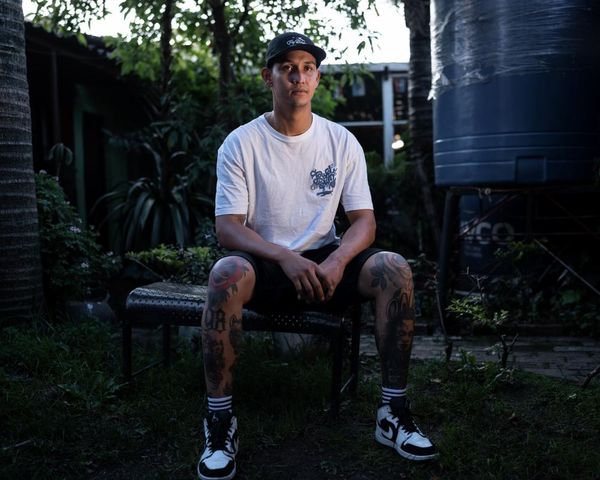
Sue Vernon jots down happy clients’ comments in her diary. “Getting back to driving is the best thing I’ve done since I was injured,” one entry notes. “It’s like breaking free from prison,” says another. Vernon, an OT and driving instructor, is contracted by armed forces’ rehabilitation centre Headley Court to help service personnel – including triple amputees and people recovering from traumatic brain injury – get back on the road. She also works in Guernsey, mainly with older drivers who have been diagnosed with dementia.
There are only about 25 full-time OT driving assessors in the UK, but it is an important emerging role, says Dr Priscilla Harries, head of clinical sciences at Brunel University, who has researched the subject. “There’s a recognition that this is a field of practice we should be growing our expertise in,” says Harries, who is also research and development chair at the College of Occupational Therapists. Keeping people driving allows them to carry on working and prevents social isolation, she adds. Vernon agrees: “Driving is a huge part of everyday living.”
Lyndsey Barrett is another OT forging a new path for the profession. With her social enterprise, Sport for Confidence, she works in a leisure centre to help people with learning disabilities participate in mainstream sporting activities. At Basildon Sporting Village in Essex, the inclusive, accessible programme she has developed with sports coaches and staff attracts 70 regular participants and 300 visits a month.
The sessions are about far more than exercise, Barrett says: navigating other elements of visiting the centre, such as managing money and queueing, is key too. “The crucial thing is that they gain skills they can transfer into daily life, increasing confidence, social opportunities and improving overall health and wellbeing. The feedback I’ve had is that it’s life-changing.” The programme is set to expand to three more locations in Essex, and Barrett’s ultimate aim is to see OTs in leisure facilities across the country.
Sara Dent, an OT at Northumberland, Tyne and Wear NHS foundation trust, goes into schools to help children with autism or attention deficit hyperactivity disorder to cope better. While her team’s work is long-standing, she says schools are thinking more about employing OTs directly.
“The role we’re playing is opening up people’s horizons about how OTs add value,” Dent says. “As more children are diagnosed, schools are calling on us for support. That leads to schools thinking: can we put some money together to get an OT?”
The team works with children to understand what school staff can do to improve their experience: for instance, giving them breaks in lessons or changing where they sit. “Small tweaks can make huge differences to a child’s experience at school,” Dent says.
Join the Social Care Network to read more pieces like this. Follow us on Twitter (@GdnSocialCare) and like us on Facebook to keep up with the latest social care news and views.