Motorists are being urged to reduce their speed by 10 per cent in response to the Iran oil crisis, which has led to a surge in pump prices.
The AA stated that this measure "improves fuel efficiency" while still "keeping up with the flow of traffic".
Drivers were also advised to anticipate road conditions, such as traffic lights and roundabouts, to avoid "continuous harsh braking".
AA president Edmund King said: “It is well worth drivers adapting their driving style and speed both to save money and enhance safety.
“We estimate that diesel drivers can save £10 per tank by changing their driving style.”
Mr King also advised drivers to use fuel price comparison apps to find the cheapest petrol or diesel for their journeys.
“Often there are price discrepancies up to 19p per litre within short distances”, he warned.
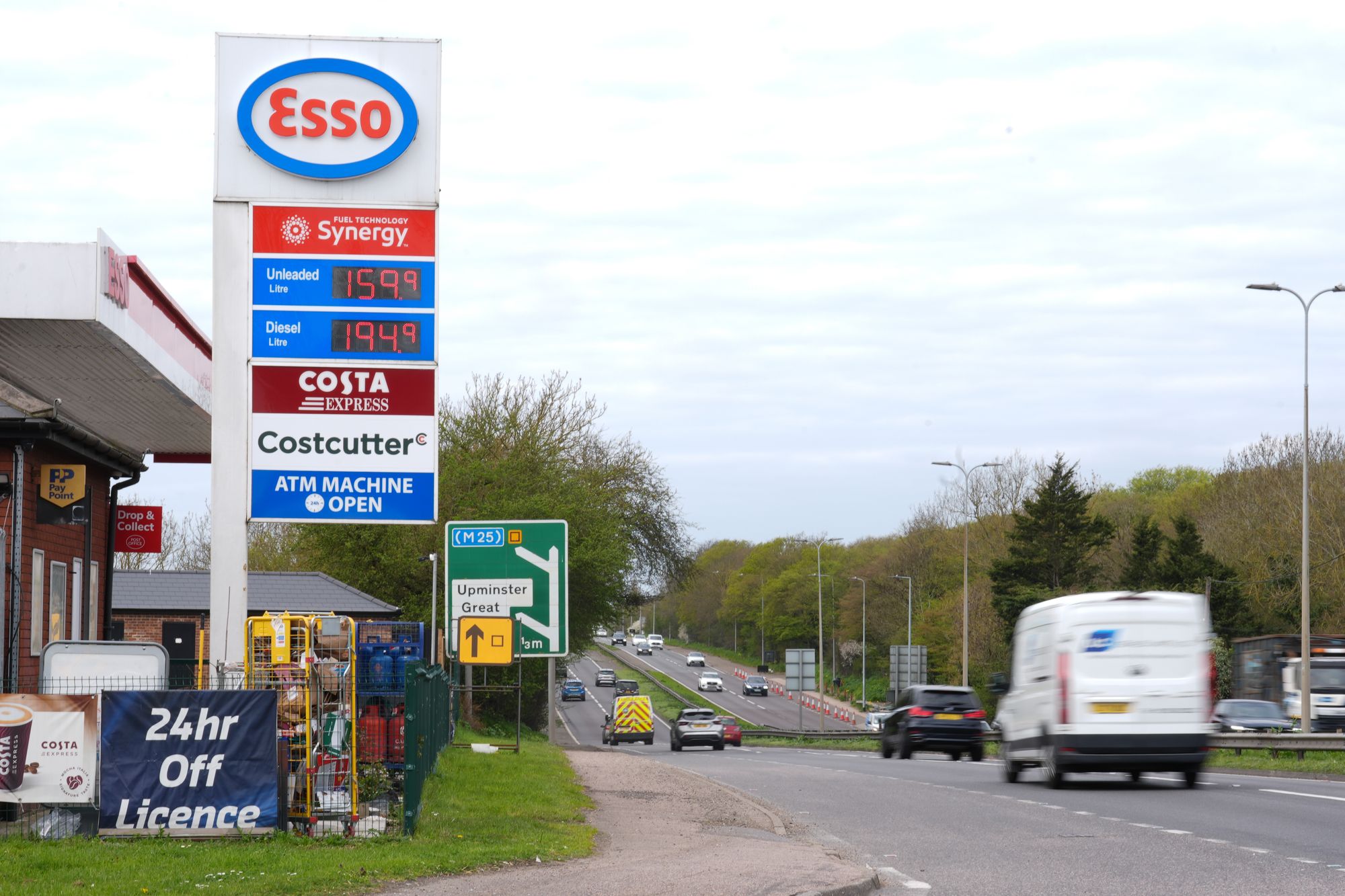
All UK forecourts have been required to report price changes to the government’s Fuel Finder database within half an hour of a change since February 2.
The data is used by third-party fuel-price apps and websites.
Motoring services company the RAC said the average price of a litre of diesel at UK forecourts on Wednesday was 184.2p.
That is up 29 per cent from 142.4p when the war began on February 28.
The average cost of petrol stands at 153.7p per litre, which represents a 16% increase from 132.8p when the war started.
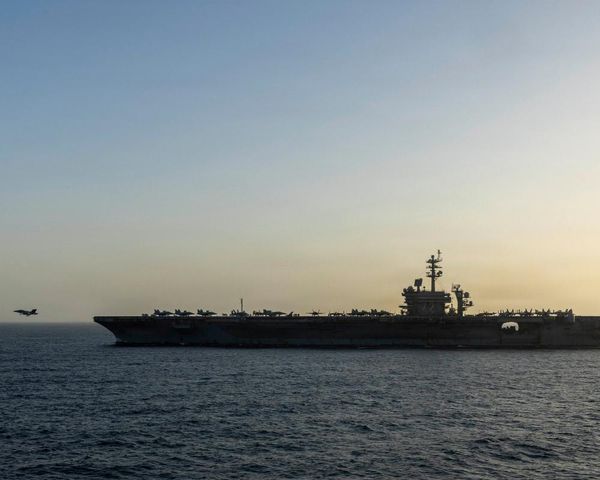
Oil prices – which have a significant effect on the cost of wholesale fuel – have soared in response to Iran’s stranglehold on tankers passing through the Strait of Hormuz.
Motoring research charity the RAC Foundation estimated that rises in pump prices have led to motorists paying an additional £583 million for petrol and diesel.
This consists of £439 million for diesel and £144 million for petrol.
The disparity is caused by a combination of the record price gap between the fuels and the fact that more diesel is sold.
The figures are based on average daily pump price rises and last year’s fuel consumption rate.
Trump threatens to blast Iran ‘back to the Stone Ages’ ahead of primetime address
Inside Qeshm: How Iran’s fortress island holds the key to the Strait of Hormuz
Starmer calls for UK to get closer to EU after Trump criticism
Iran-US war: Trump claims Tehran’s new president asked for ceasefire
EasyJet parent company loses High Court trademark dispute over ‘easy’ branding
King Charles invited to address US Congress during upcoming state visit