A motorist who claimed his electric Jaguar had become uncontrollable on a busy motorway has been jailed after investigators found the incident was an elaborate fraud intended to escape mounting financial difficulties.
Nathan Owen, 33, was sentenced to four years and three months in prison at Liverpool Crown Court after admitting dangerous driving and two counts of fraud. The court heard he falsely reported that his Jaguar I-PACE had malfunctioned while travelling along Merseyside's motorway network, prompting an extensive emergency response involving police officers who believed they were dealing with a genuine life-threatening incident.
The dramatic pursuit unfolded in March 2024 and quickly attracted widespread attention after Owen made a frantic 999 call claiming he was unable to stop the vehicle because its brakes had failed. Police escorted the car across several motorways before it eventually came to a halt only after its battery was exhausted. Investigators later established there had been no mechanical fault with the vehicle.
How Did the Incident Unfold?
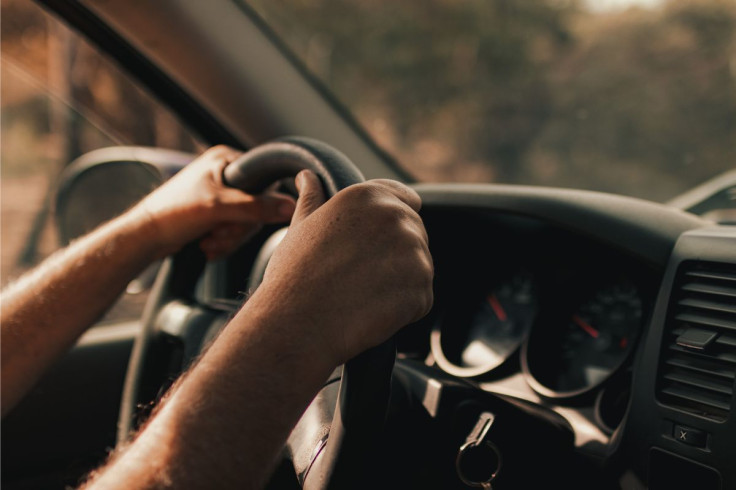
According to prosecutors, Owen contacted emergency services shortly after 2pm, telling operators his Jaguar was accelerating uncontrollably and that he could not apply the brakes.
However, vehicle data later showed the car was stationary immediately before the emergency call was made. Police nevertheless treated the report as genuine and launched a major operation to protect other motorists as Owen drove along the M58, M57 and M62 for around 35 minutes, covering approximately 38 miles at speeds reaching 86mph.
During the pursuit, Owen deliberately collided with a police vehicle 31 times as officers attempted to contain the situation and keep other road users safe. The chase eventually ended near Junction 12 of the M62 when the electric vehicle ran out of battery power rather than because of any braking failure.
Why Did Police Believe the Story Was False?
A joint investigation by Merseyside Police and Jaguar Land Rover found no evidence that the vehicle had malfunctioned.
Specialist analysis showed Owen had remained in control throughout the journey and never attempted to apply the brakes. Investigators also uncovered text messages in which he discussed ways of getting rid of the vehicle before the incident. Financial records revealed he had accumulated significant personal debt, missed finance repayments and unsuccessfully applied for an additional loan on the day of the motorway drama.
The court heard Owen contacted his finance company around 40 minutes after the incident ended. Prosecutors said he later sold his account of the supposed vehicle malfunction to two national newspapers for a combined £800.
Jaguar Land Rover told the court the false allegations resulted in widespread negative publicity for the company, forcing it to spend around £50 million on marketing and communications efforts to reassure customers following more than 180 media reports about the alleged brake failure.
What Sentence Did the Court Hand Down?

Judge Ian Unsworth KC described Owen's actions as a calculated deception that placed both police officers and members of the public at considerable risk.
In addition to the prison sentence, Owen was banned from driving for five years after his release and must pass an extended driving test before being allowed back behind the wheel. He had pleaded guilty earlier this year to dangerous driving and two counts of fraud.
Following the sentencing, Detective Constable Michael Doyle of Merseyside Police said investigators had conclusively established that Owen remained in full control of the vehicle throughout the incident. He added that the defendant had endangered road workers, police officers and other motorists by staging what became one of the region's most significant motorway emergency responses.