
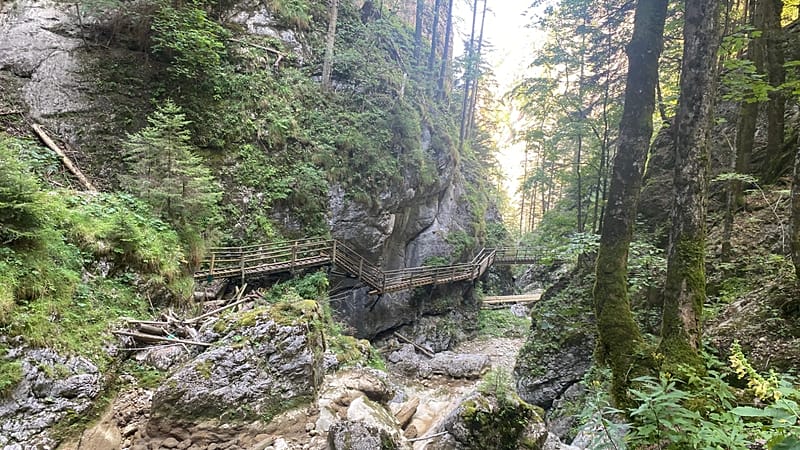
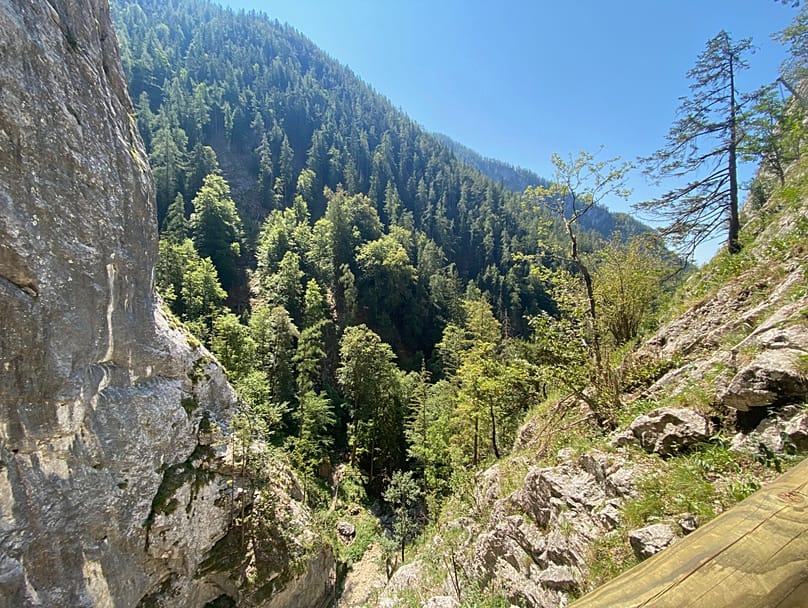
A day out at Austria's most famous gorge, the Bärenschützklamm, usually means climbing over thundering waterfalls and fast-flowing cold creeks. But this year I found the gorge in a very different state. The water, which attracts 40,000 tourists a year, is gone. The waterfalls have dried up and the creeks are so dry that you can walk along their beds like any other trail.
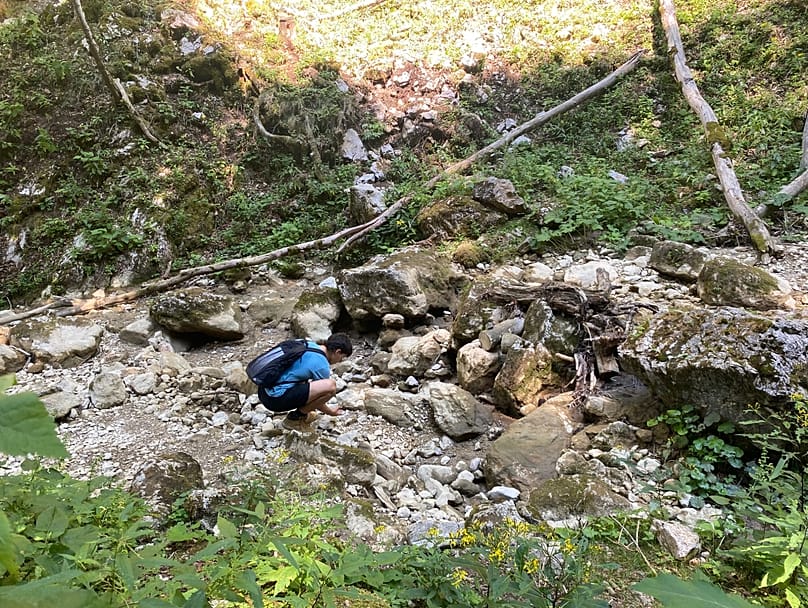
Gerhard Jantscher, chairman of Austrian Alpine Club Österreichischer Alpenverein, Sektion Mixnitz, tells Euronews Earth that the Alps are suffering in the face of global warming, summer heatwaves, drought and the lack of snow and rain. The landscape - formed over hundreds of years - is changing fast.
"By the end of July, the flow of water through the Bärenschützklamm gorge had ceased due to a lack of precipitation. The water source is the Mixnitz Stream, which originates on the Sommeralm and flows via the Teichalm to the Bärenschützklamm. The region relies heavily on natural precipitation so that the Sommeralm and Teichalm areas can absorb the rainfall and gradually feed it into the Mixnitz Stream."
It would take at least a week of steady rain for the Bärenschützklamm's water levels to recover.
Breathtaking gorge even without water
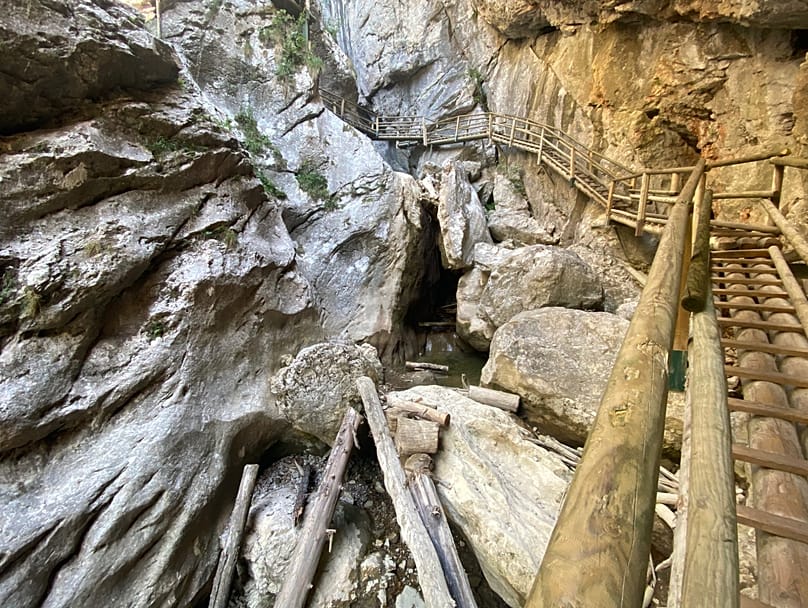
Don't get me wrong - the gorge is wonderful even without the waterfalls. Walking, or more likely scrambling, between or under majestic rock formations and trees reveals the raw power of nature. The trail takes you across free-floating wooden ladders, built over 100 years ago.
After a deadly accident in 2020, the gorge was closed until this year. During this time, authorities spent more than €2 million making the trails safer.
"We began planning the safety measures and the construction of the walkway system in 2021. We, the Mixnitz Section of the Austrian Alpine Club (ÖAV), were able to raise these funds through our own personal efforts in order to make the Bärenschützklamm accessible to tourists," Jantscher explains.
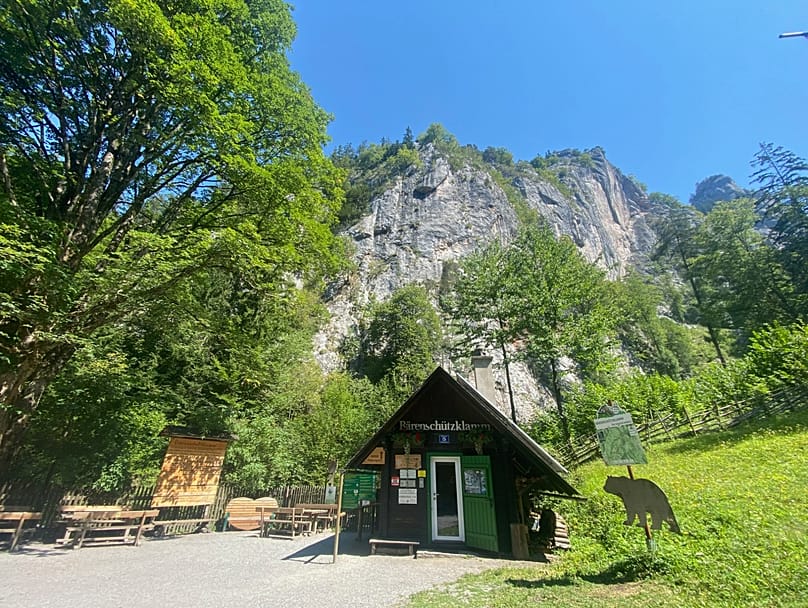
The Bärenschützklamm was declared a natural monument in 1978. Due to the weather, the wooden ladders and even the rocks have to be checked every year.
"Sigi Wentner (deputy chairman and mountain rescue warden) and I are the ones spearheading the Bärenschützklamm project, and we do this work on a voluntary basis.
"What does the future hold? We have to consult geological experts - which we do every spring - to understand the behaviour of the rock faces, trees, and water, and to be able to intervene should any changes occur. Every year, the Bärenschützklamm undergoes a geological and technical inspection by the relevant authorities and is officially approved for public access," says Jantscher.
Climate change and lack of precipitation
Before the impacts of climate change took hold, precipitation (rain or snow) was abundant in the mountains, exceeding 1,000 millimetres per year almost everywhere, and often 1,500 mm. Winter is usually the driest season in the Austrian Alps, while summer is the wettest season because of afternoon thunderstorms.
This year - as in all of Europe - brought long heatwaves and lack of rain. According to GeoSphere Austria from 1 January to 30 June 2026, precipitation in the country was 27 per cent below the long-term average. That in itself would not be particularly unusual. However, in some parts of the country, conditions have not been this dry since 1885.