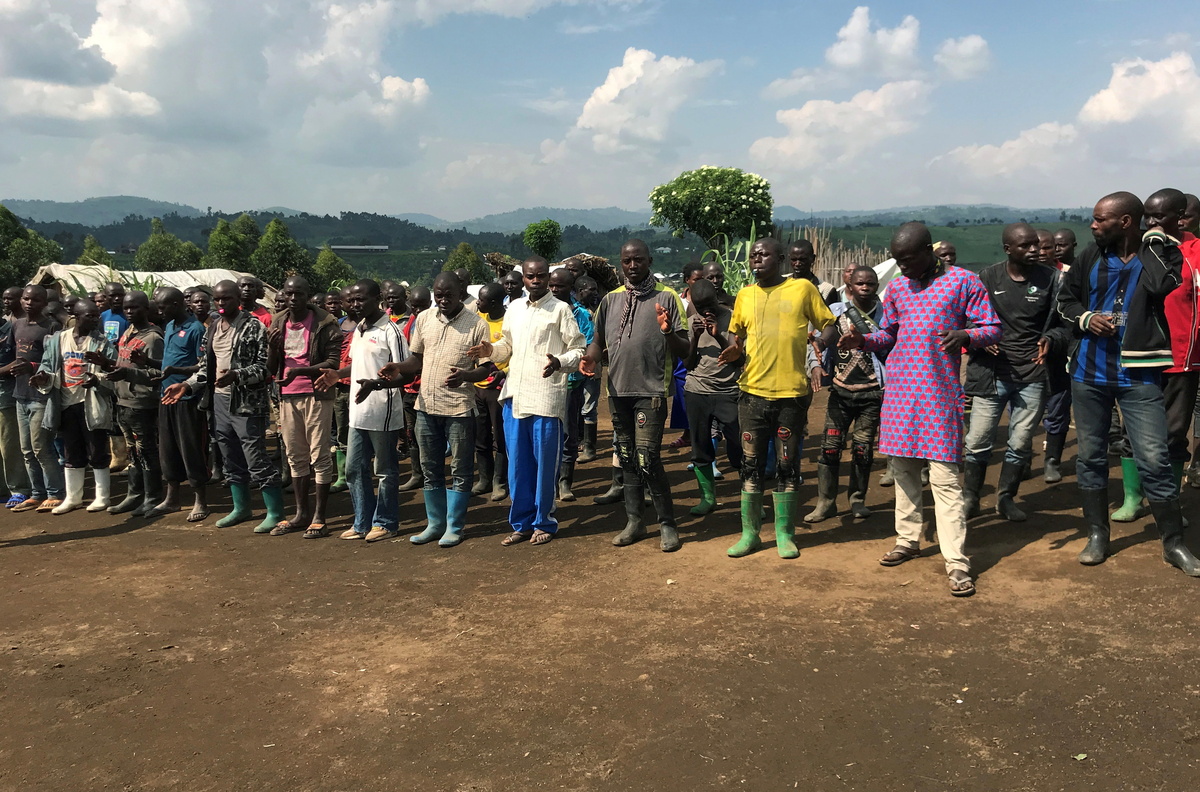
Dozens of militia fighters in the Democratic Republic of Congo have laid down their weapons and surrendered, the first to do so since President Felix Tshisekedi announced martial law to tackle worsening security in two eastern provinces.
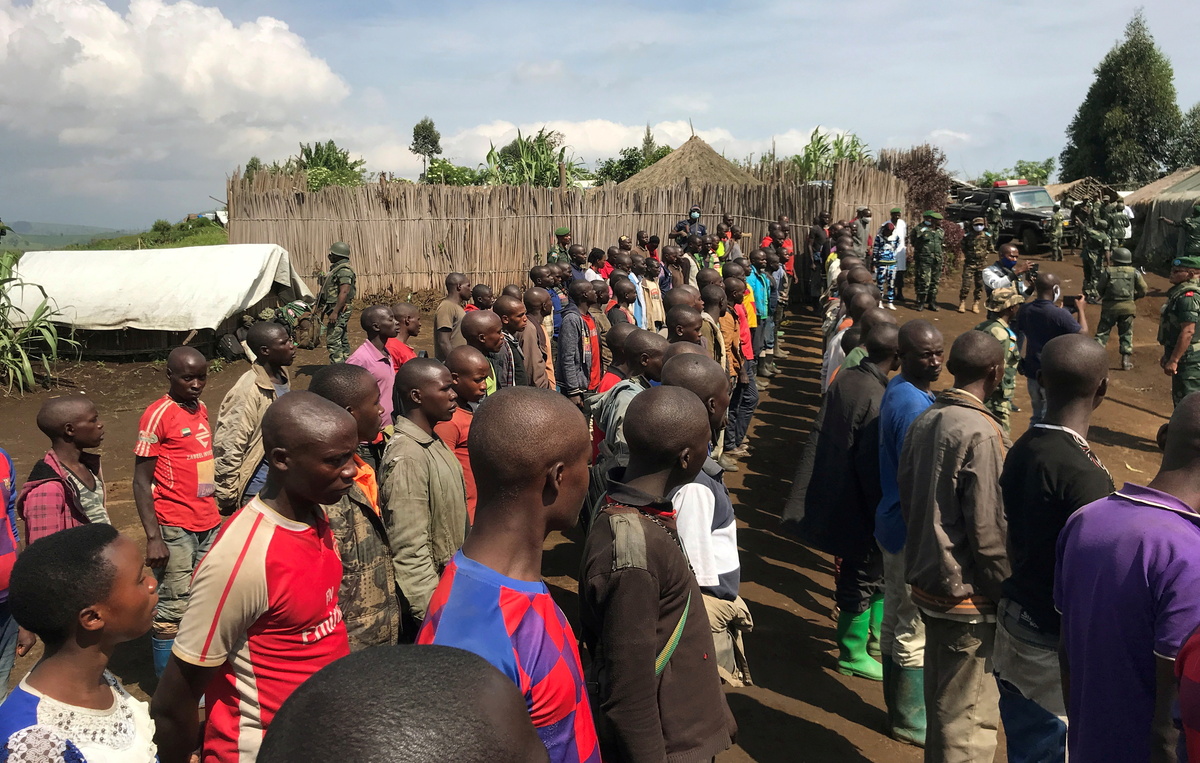
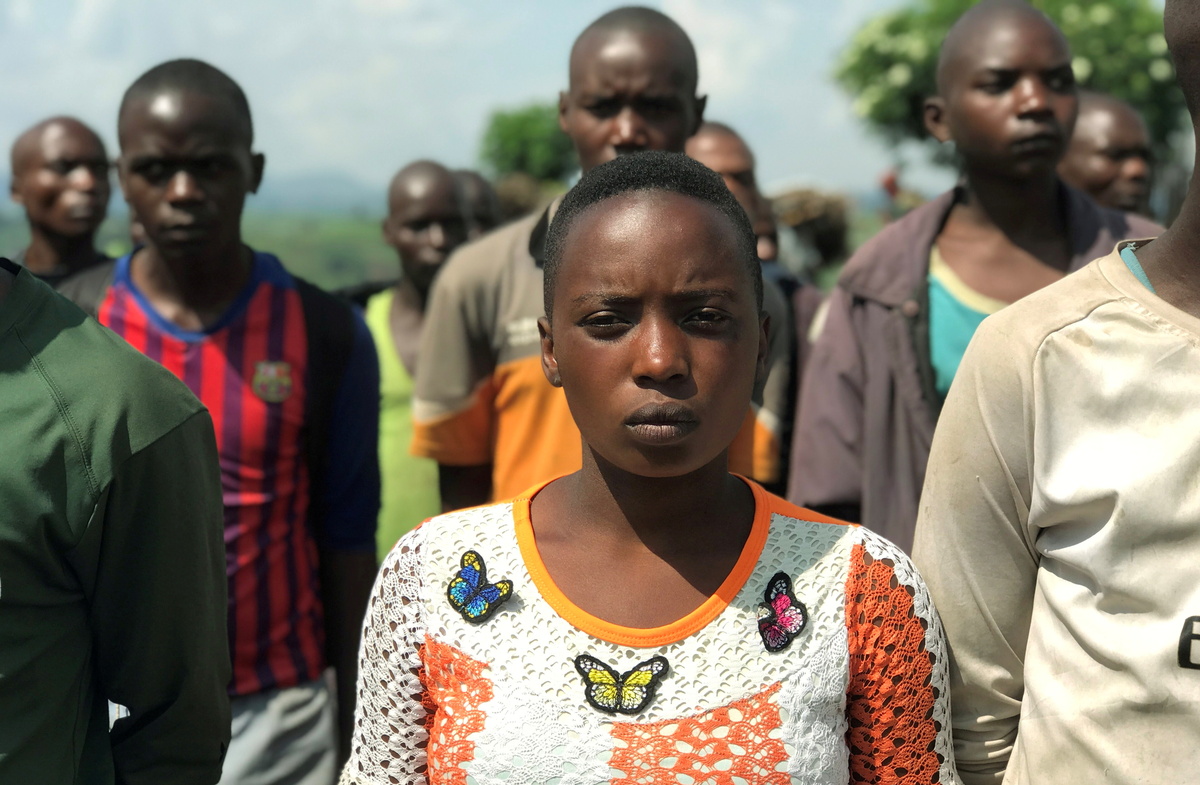
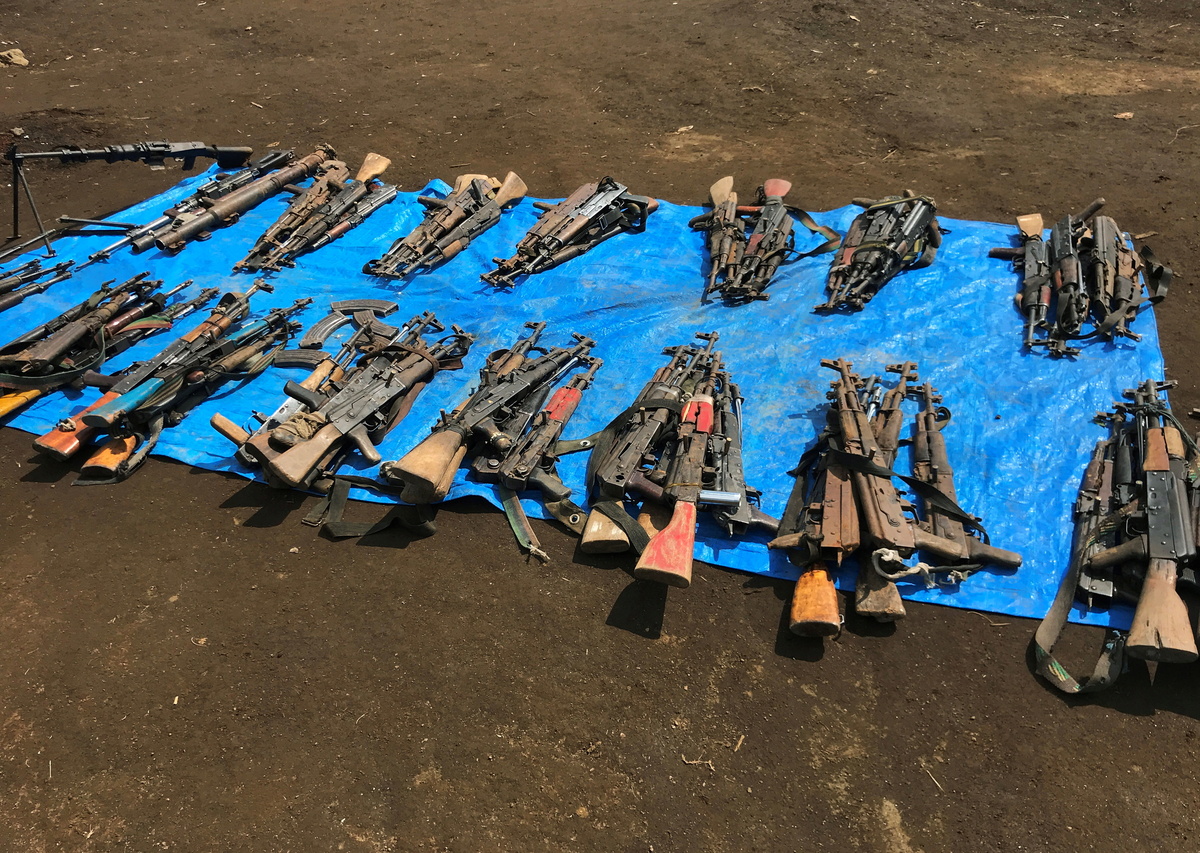
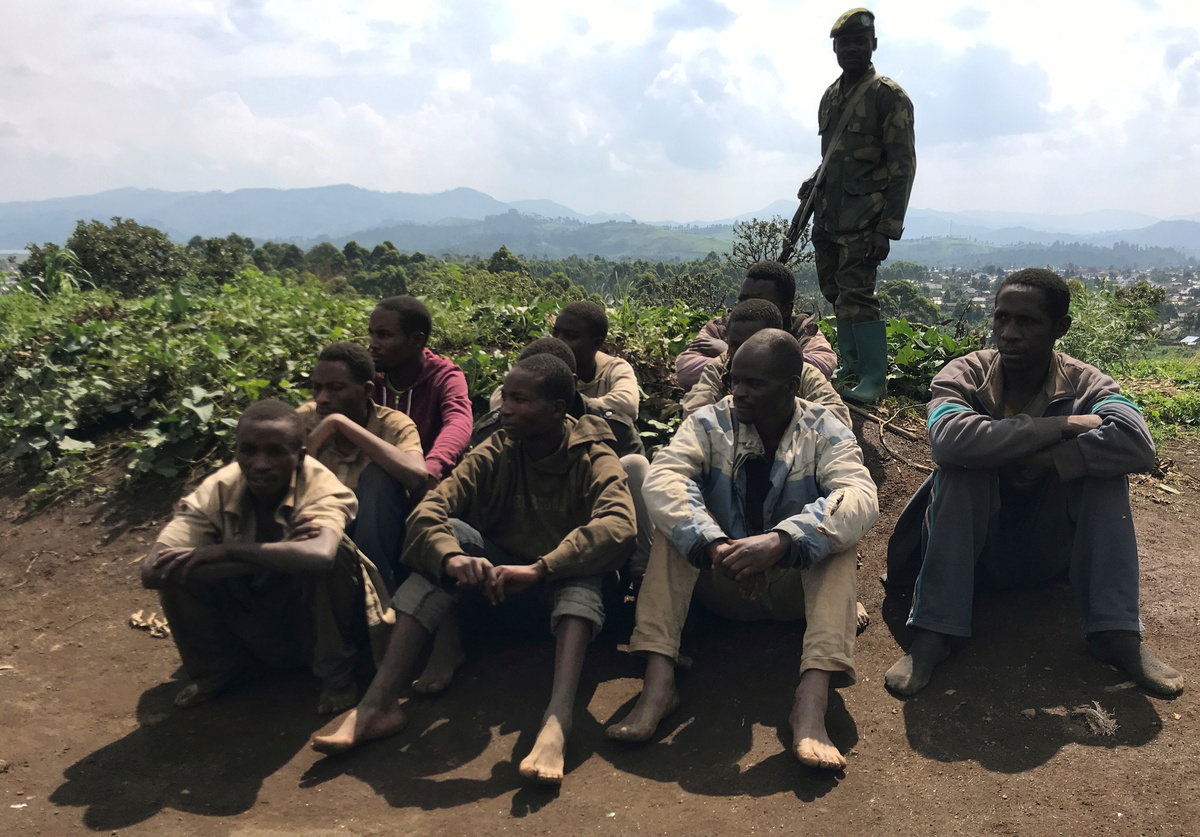
Around 140 men from various local armed groups sang and clapped as they handed themselves in to authorities during a ceremony in Congo's North Kivu province on Monday. Around 70 weather-beaten weapons, mostly rifles, were also turned in.
Congo's mineral-rich east has been convulsed with conflict since the official end to the country's second civil war in 2003. More than 120 armed groups are now fighting for control of the region's land and natural resources.
"Being in a rebellion means stealing, harassing the population and destroying the environment of the population," said 28-year-old Jean-Paul Ndagije, who fought with the Nyatura rebel group.
"That is why we bush commanders have decided to take our children out of the bush to embrace a better life."
Tshisekedi declared a state of siege in early May in response to a two-year surge in violence across the region.
But deadly attacks have increased since then, according to data collected by the Kivu Security Tracker, which maps unrest in the region.
"We will continue to track down these armed groups wherever they are entrenched," the military governor of North Kivu Constant Ndima told reporters.
Some conflict analysts say increasing the army's power is unlikely to address the root causes of the bloodshed, pointing to a long history of problematic behaviour documented among troops.
In a blistering report published last week, the United Nations said that sexual violence perpetrated by government troops in Congo's east could amount to war crimes.
The report also accused Congolese troops of diverting weapons to armed groups and smuggling cocoa from abandoned farms into neighbouring Uganda.
While visiting the region last week, Tshisekedi said that a mafia had developed within the army and police, propped up by a "law of silence".
"There is a lot of scheming undermining our security forces," Tshisekedi said. "It developed at the same time as the mafia here, the same mafia in the army, in our institutions."
(Reporting by Djaffar Al Katanty; writing by Hereward Holland; editing by Jonathan Oatis)