The central government aims to vaccinate the elderly population against COVID-19 at a pace of "1 million doses a day" in order to finish vaccinating people aged 65 or older by the end of July. While the inoculation of the elderly population started in earnest nationwide on Monday, many municipalities do not have the necessary arrangements in place, raising doubts about the feasibility of the plan.
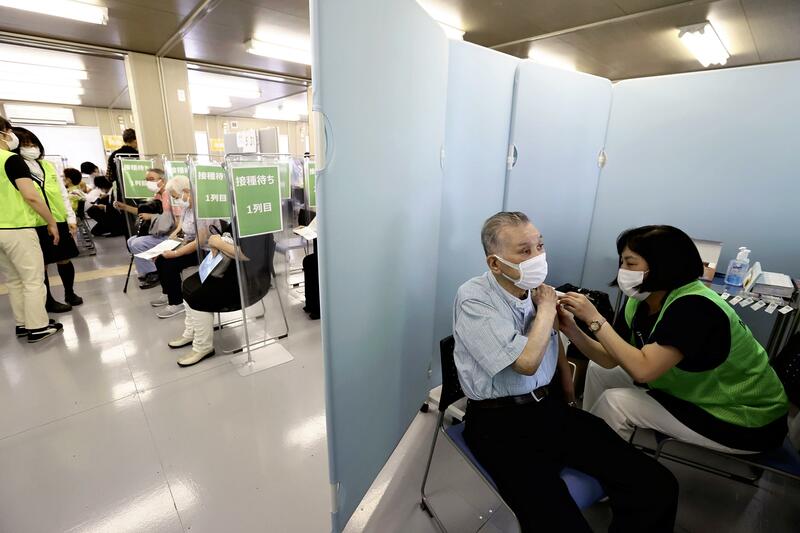
In Tokyo, inoculation of the general elderly population, not limited to those living in institutions such as elderly homes, started in wards including Kita and Sumida on Monday. In Kita Ward, a total of 557 people were inoculated at three hospitals designated as mass vaccination sites. In Sumida Ward, "individual vaccinations" also started at some medical institutions such as clinics.
The vaccine manufactured by U.S. pharmaceutical company Pfizer Inc. must be administered twice. The necessary doses were delivered to all municipalities by Monday.
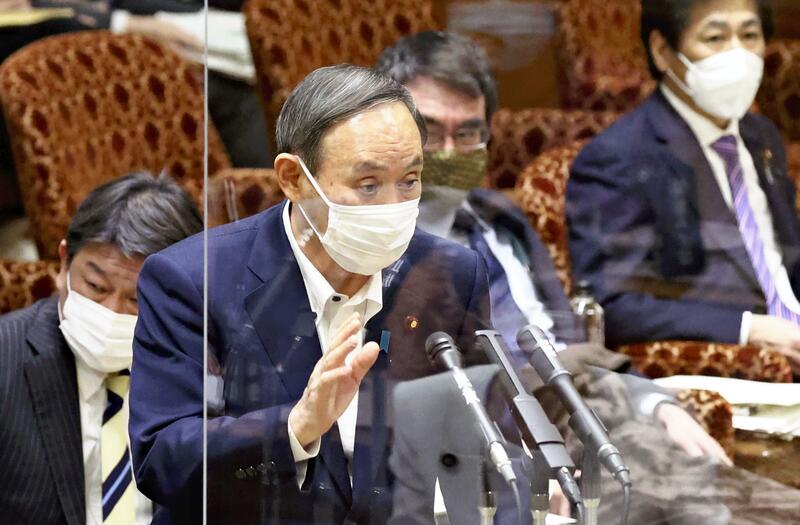
"Taking a look at other parts of the world, vaccinations have greatly improved the situation," Prime Minister Yoshihide Suga said Monday during the House of Councillors Budget Committee meeting. "We will accelerate the vaccination program and protect the lives and livelihoods of the people," he stressed.
The "million doses a day" target was revealed by Suga at a press conference held Friday to announce the decision to extend a state of emergency in some parts of the country.
The central government will open large-scale inoculation sites in Tokyo and Osaka on May 24, and there are about 70 days from then to the end of July. Administering two doses of vaccine to each of the nation's 36 million elderly people will require 72 million doses in total, making is necessary to administer about 1 million doses per day.
The target is also based on the precedent of seasonal influenza vaccines being administered at an average pace of 600,000 doses per day. "It's not a high hurdle, as this time it is free of charge, and the governments are supporting the programs nationwide," a senior government official said. The government is also on track to secure the necessary amount of vaccines by the end of June.
The public is becoming increasingly frustrated at lagging behind other developed countries in vaccination rates. Reportedly, Suga told people around him, "This is the most difficult time for us, as people say we are late," and he aims to turn the tide by accelerating vaccination programs.
However, only a total of 15,000 shots per day are expected to be administered at the two large-scale vaccination sites directly managed by the central government. In reality, the bulk of the actual vaccination work is left to municipalities. Of the 1,741 municipalities nationwide, only about 1,000 are expected to finish vaccinations by the end of July. A government official said "there is no prospect" to meet the million doses per day target.
Some observers expect that about 30% of elderly people may refrain from getting vaccinated due to concerns over adverse reactions. Based on this, some government sources said the target could have been 700,000 doses per day, as criticisms may be directed at Suga if the target is not achieved.
-- 1 in 3 Tokyo municipalities unlikely to meet target
Twenty of the 62 municipalities that make up Tokyo are unlikely to meet the central government's target of completing the vaccination of their elderly populations against COVID-19 by the end of July. In those municipalities, inoculations are not expected to be completed until August, mainly due to an inability to secure sufficient medical personnel to administer the shots.
This was revealed at a meeting on vaccinations held on Monday with the Tokyo metropolitan government and municipalities and medical associations in Tokyo. The metropolitan government asked municipalities about the prospect as of Friday of completing vaccinations on time, and 42 municipalities responded that they can complete the vaccinations by the end of July in line with the central government's target.
The metropolitan government has not disclosed the names of the municipalities that are unlikely to meet the target, but it is believed that they are mainly wards and cities with large elderly populations. "Initially, the vaccine supply schedule from the central government was unclear, which may have caused delays in securing medical personnel," a metropolitan government official in charge of vaccination said.
Read more from The Japan News at https://japannews.yomiuri.co.jp/