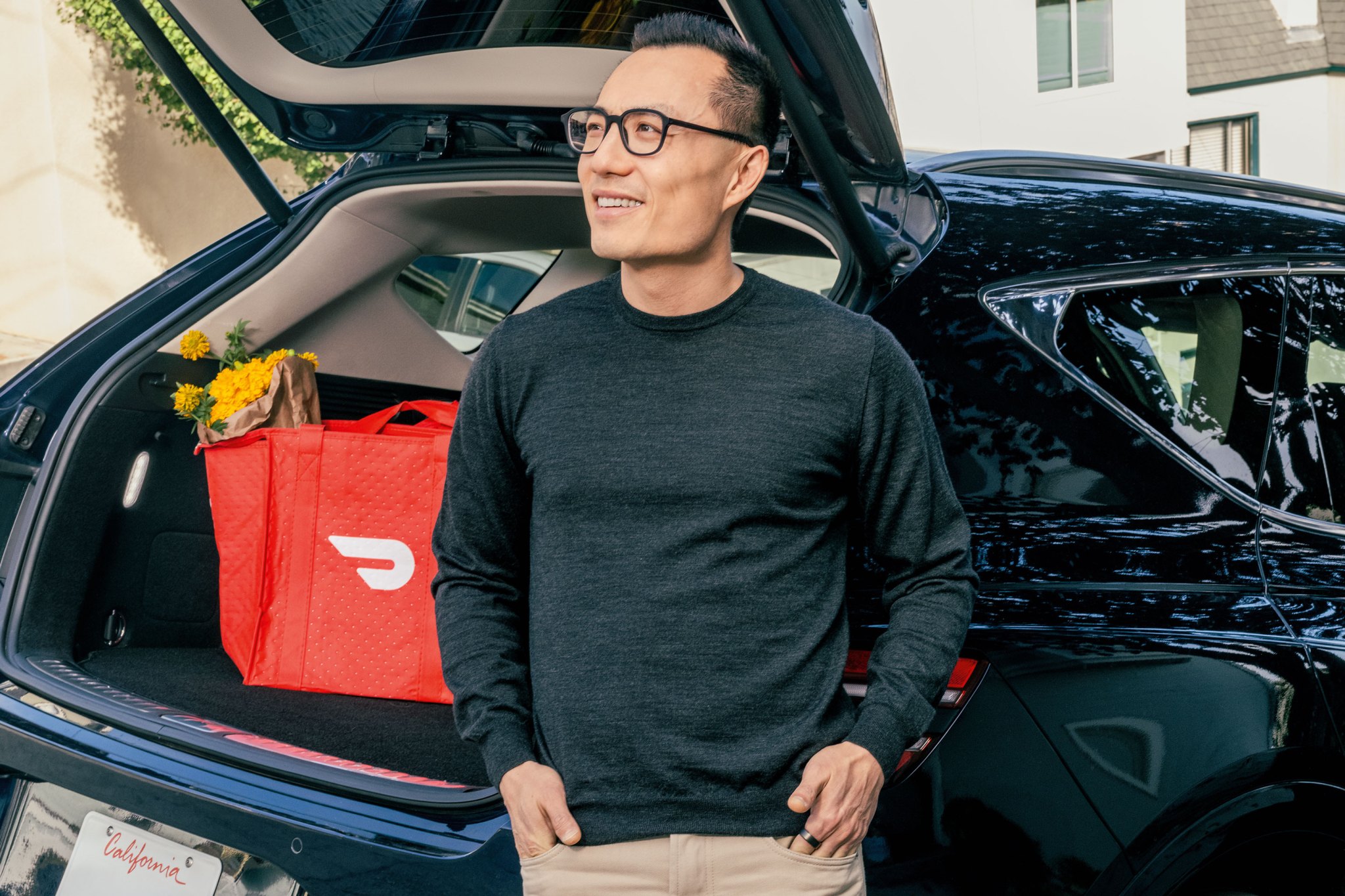
- In today’s CEO Daily: DoorDash CEO Tony Xu on how he beat Uber Eats into second place.
- The big story: Trump selects his still-to-be-announced Fed Chair
- The markets: Mixed, but trending down.
- Plus: All the news and watercooler chat from Fortune.
Good morning. If Americans treated their post-Thanksgiving Day exhaustion with take-out this weekend, there’s a good chance they ordered from DoorDash. The meal delivery giant now controls 60% of the market in the U.S and is more than twice the size of its closest competitor, Uber Eats.
It wasn’t always that way.
In a new Fortune feature, tech correspondent Jason Del Rey rode along with DoorDash CEO Tony Xu on a delivery run and got a front-seat look at how Xu built the scrappy upstart into an unexpected powerhouse in the cutthroat meal delivery industry. The startup founded in 2013 by Xu and three fellow Stanford students once had less than $30,000 left in its bank account. Now, thanks to grit, ingenuity, and a heaping serving of luck, it’s on track to generate more than $13 billion this year.
Here a few lessons other leaders can learn from DoorDash and CEO Xu:
Zig when others zag: Early on, DoorDash distinguished itself in the crowded meal delivery space by enlisting gig workers to pick up—and sometimes even order—food, whereas then-rivals Grubhub and Seamless only partnered with restaurants that had their own delivery drivers.
Obsess over your customer: Xu prides himself on sweating the small stuff to improve service. For instance, DoorDash now highlights desserts on orders because they are the most likely to be forgotten. Its app also advises “Dashers” on where to park and which building entrance to use.
Stay in touch with the front-line experience: Every corporate DoorDash employee in the U.S. must do four delivery shifts a year. On Jason’s ride-along, CEO Xu attempted to deliver four orders in San Francisco. He managed to drop off three and earned $19 for the hour’s worth of work. (DoorDash would top up that amount.) Xu’s hands-on experience stands out in a world in which the ultra-wealthy are living increasingly private lives.
Strike when there’s blood: When Uber Eats’ parent was rehabilitating its culture and imposing financial discipline in the late 2010s, DoorDash went on a spending blitz. It poached several UberEats executives and expanded from 1,500 locations to 6,000, including into mid-tier cities and suburban towns that rivals had neglected.
Be ready when opportunity hits: DoorDash’s investment in the suburbs paid off when the COVID pandemic pushed convenience-obsessed consumers out of cities and turned sit-down restaurants on to delivery. DoorDash’s business more than tripled in 2020.
Jason cautions that DoorDash’s lead isn’t safe. It could “be displaced by a competitor like Uber—or an AI-native company that may not yet even exist.” But for now it’s won the meal delivery wars and is moving into new markets, like grocery delivery, where the battle for dominance may be just as fierce.
You can read the full feature here. —Claire Zillman
Contact CEO Daily via Diane Brady at diane.brady@fortune.com