Donald Trump has threatened fresh tariffs on $4bn (£3.2bn) of European products including cheese, scotch whisky and olives, ratcheting up pressure on the EU in a long-running row over aircraft subsidies.
The US trade representative’s office released a list of 89 additional items – including olives, Italian and Dutch cheese, Scotch whisky, Irish whiskey, pasta, coffee and ham – that could face tariffs. These join products worth $21bn that were announced as potential targets for tariffs in April, which included roquefort cheese, wine, champagne, olive oil and seafood such as oysters. The latest list also includes a number of copper products and other metals.
The move came days after a truce was reached in the trade war between the US and China.
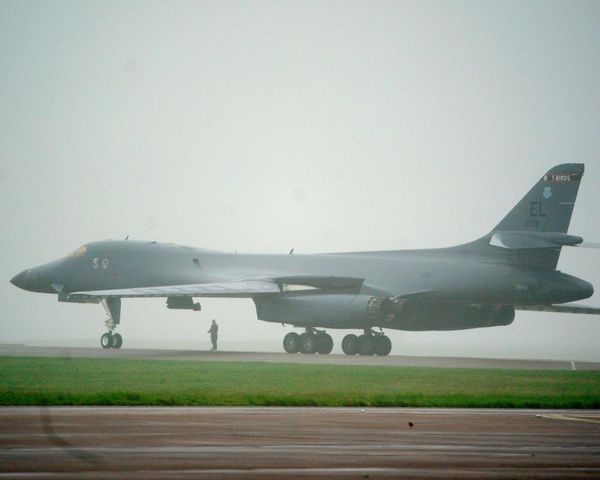
The US and the EU have both threatened to impose tariffs on planes, tractors and food in a tit-for-tat trade row that was sparked by aircraft subsidies given to US aircraft maker Boeing and its European rival, Airbus.
Trump imposed a 25% tariff on European steel and 10% on aluminium imports that came into effect in May 2018, as he claimed “trade wars are good”. The EU responded in February by imposing limits on steel imports.
Tariffs are border taxes charged on foreign imports. Importers pay them upon entry to the customs agency of the country or bloc imposing them.
Tariffs can be levied in different ways. It can be a flat-rate tariff linked to weight, or calculated as a proportion of the overall value of the goods. It can also be a mixture of both. A country can set a quota, enabling a certain volume of a product to flow in before a higher tariff rate kicks in.
Tariffs raise money for governments, but are primarily used to raise the price of foreign goods, protecting domestic producers from global competition.
Countries signed up to the World Trade Organization (WTO) must impose tariffs at the same level for all other WTO-member trading partners under the organisation’s “most favoured nation” rule – unless they secure alternative deals with particular countries or trading blocs.
The World Trade Organization has found that Boeing and Airbus, the world’s two largest aircraft makers, received billions of dollars of subsidies, in the world’s largest-ever corporate trade dispute. The WTO is expected to rule on the US sanctions request over the summer, although this could be postponed to September.
However, during the Paris Air Show in mid-June, Reuters reported that the US could be open to negotiations on an “enforceable mechanism” that would allow Airbus to receive government funding on commercial terms. As part of the deal, the US would make tax incentives provided to Boeing compliant with trade rulings.