A long-deleted photograph linked to the Jeffrey Epstein files and featuring Donald Trump has been reinstated online, reigniting debate over transparency and political trust in public institutions. In a controversial move that has captured intense bipartisan attention, the U.S. Department of Justice (DOJ) restored a photograph to its public release of Jeffrey Epstein-related documents after briefly removing the image amid victim privacy concerns.
The photo, originally taken from inside Epstein's New York mansion and showing framed images including those of Donald Trump, was re-posted after being reviewed and cleared of any potential depiction of Epstein's victims. However, the initial removal and the DOJ's explanation have done little to quell accusations of a politically motivated cover-up.
What Happened With the Epstein File Photo
The DOJ's release earlier this month of thousands of pages of documents connected with the Epstein investigation was mandated under the Epstein Files Transparency Act.
However, not all materials were published in their original form. Among the files that briefly disappeared from the department's online database was File 468—a photograph displaying a desk drawer containing printed pictures of Donald Trump with several women and other figures.
Officials in the Southern District of New York flagged the image for further review 'out of an abundance of caution' to ensure that no victims of Epstein were pictured. After a careful examination, the DOJ concluded there was 'no evidence that any Epstein victims are depicted in the photograph,' and the image was reposted without any redaction or alteration.
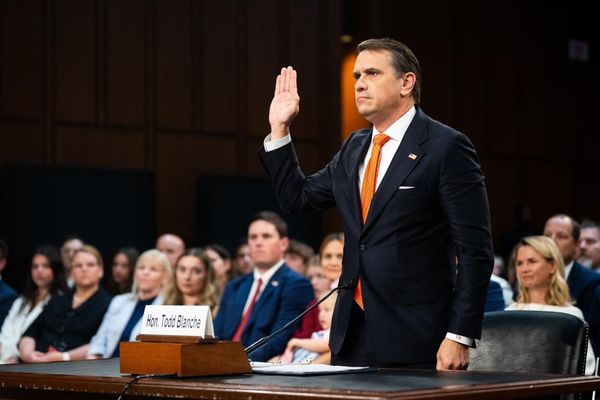
Deputy Attorney General Todd Blanche defended the initial removal and subsequent restoration, saying it was driven by concerns over privacy and compliance with legal obligations to protect survivors. Blanche stressed that the decision 'has nothing to do with President Trump,' dismissing suggestions that the removal was politically motivated.
Democrats Cry Foul
Democratic lawmakers were quick to condemn the deletion of the image before its reinstatement, interpreting it as evidence of a broader withholding of public records or potential political shielding. House Oversight Committee members raised alarms on social media, querying Attorney General Pam Bondi and demanding clarity on why the image was removed without warning.
Some Democrats went further, suggesting that the incident pointed to a pattern of selective disclosure that could undermine public confidence in the government's handling of high-profile investigations. Critics argue that incomplete or inconsistent releases risk eroding trust in institutions meant to uphold the rule of law.
For survivors of Epstein's crimes, the controversy is particularly poignant. Some advocates have also expressed frustration with how victims' identities have been handled in the document dump, describing instances of under-redaction and improper disclosure.
Balancing Transparency and Protection
The DOJ has emphasised its dual obligations: complying with legal requirements for disclosure while simultaneously safeguarding the privacy and well-being of survivors. In its official statement, the department noted that the temporary removal was a precautionary step, sparked by requests from alleged victims and their legal representatives.
Yet, the speed with which the photo was reinstated—and the political reactions that followed — have underscored how even minor elements of such releases can become flashpoints. For some members of the public and political class, the episode raises questions about trust in official narratives and the processes by which information is vetted and disclosed.
A Crisis of Trust
At its core, the dispute over a reinstated photograph touches on broader anxieties about transparency and accountability in government. Whether viewed as a necessary step to protect victims or as a sign of political obfuscation, the episode highlights the delicate balance agencies must strike between openness and responsibility.
As lawmakers continue to scrutinise the Epstein files release and call for more thorough disclosures, the reinstated photo will likely remain emblematic of the broader tensions between institutional trust and the public's demand for truth.