
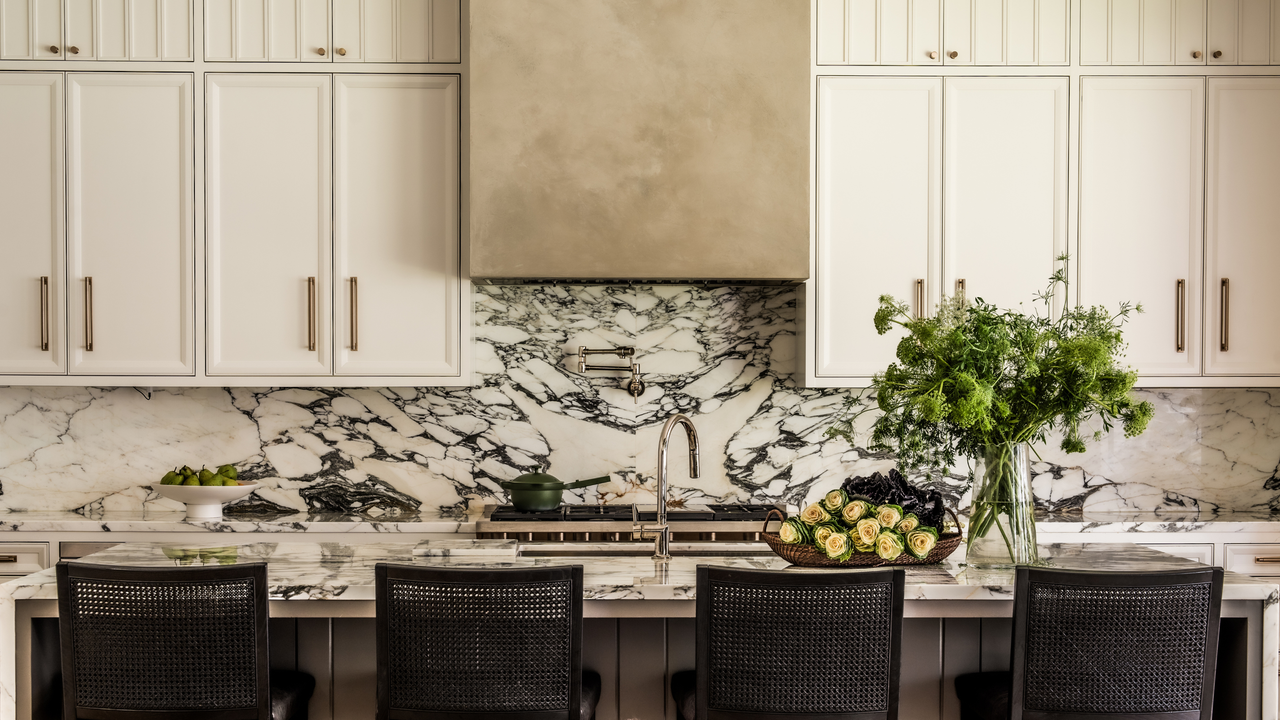
With a kitchen renovation (actually, let’s make that any renovation!,) it’s so easy to get caught up in inspirational imagery these days — with the likes of scrolling Pinterest, Instagram, and all of these gorgeous home magazines like livingetc, why wouldn’t you want to take little pieces of each and use them as a goal for your own home?
The problem is, not all of us have a never-ending supply of money, and you may find it difficult to discern which modern kitchen ideas are really worth the investment when renovating and which elements can be cut without compromising the overall look and feel. Well, we’ve gone ahead and done the hard work for you, getting in touch with some of the best in the interior world – and the experts have given their honest opinion on the topic to save both time and cost.
So, if you’re about to undergo a kitchen project, read on for designers' takes. There are some things where they say don't waste your money on this, where, for others, they recommend to dedicate your budget.
Spend: Cabinetry
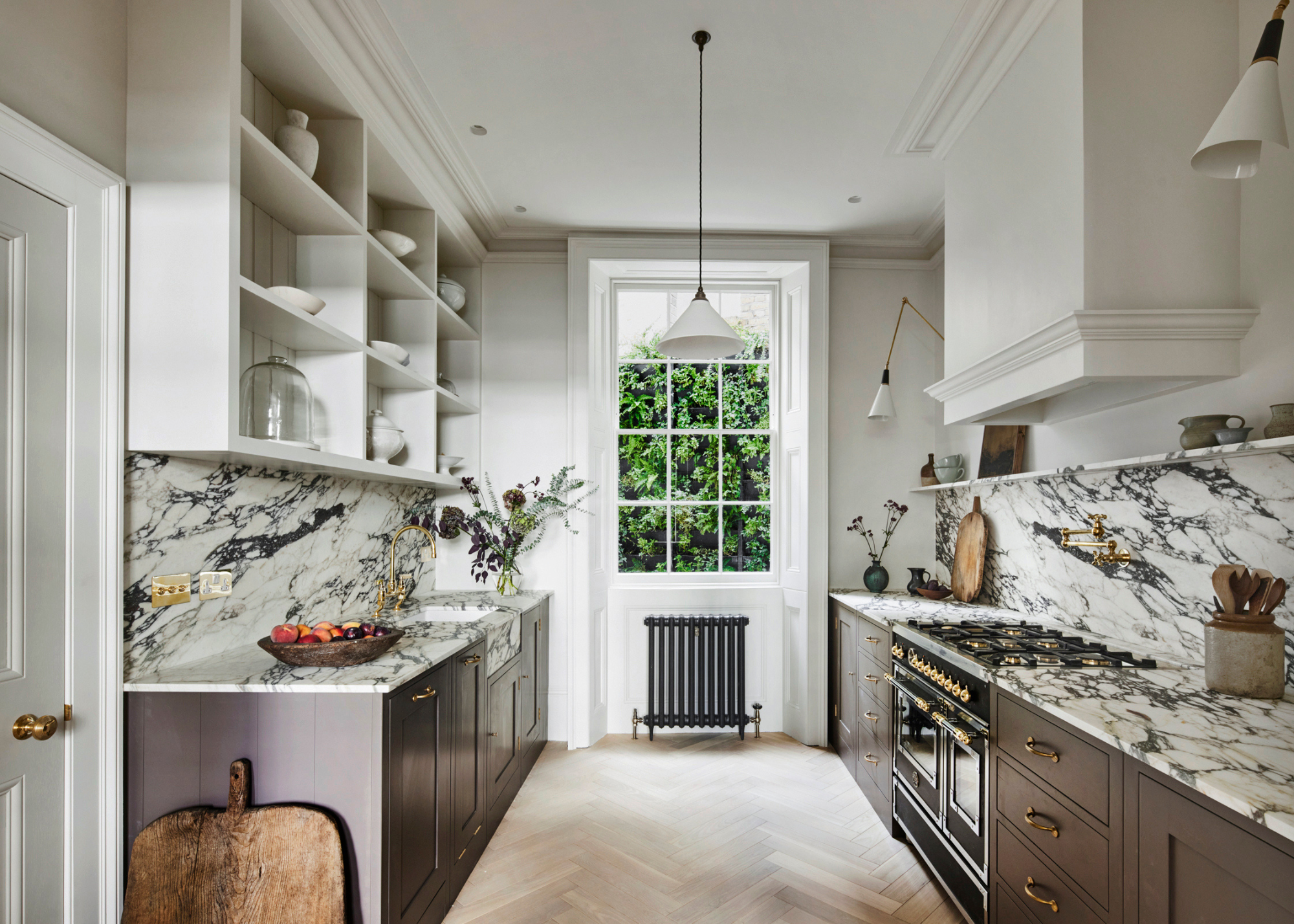
Let’s start with the obvious — kitchen cabinet ideas. “We have a firm belief that it is best to buy once and buy well,” says Merlin Wright, design and creative director at Plain English Design. When it comes to kitchen cabinetry, if you can afford it, it can definitely work out to be cost-effective to invest in just one kitchen that will last you for years and years… and years to come.
It’s also the most sustainable option. Merlin suggests opting for something adaptable. “Our focus is on creating classic joinery pieces and cupboards which create a welcoming kitchen space, a functional room which can be adapted as living situations change. We build our cupboards to last a lifetime, to us they are not disposable items to be ripped out and replaced in ten years or so.”
The beauty of hand-painted cupboards is that if needed, they can easily be given a new lease of life with a fresh lick of paint, so if you are someone who likes a spruce up now and then, you know you’re safe to do so.
Ready to elevate your kitchen? A dark, rustic wooden board will add texture, depth and character.
Save: Gadgets
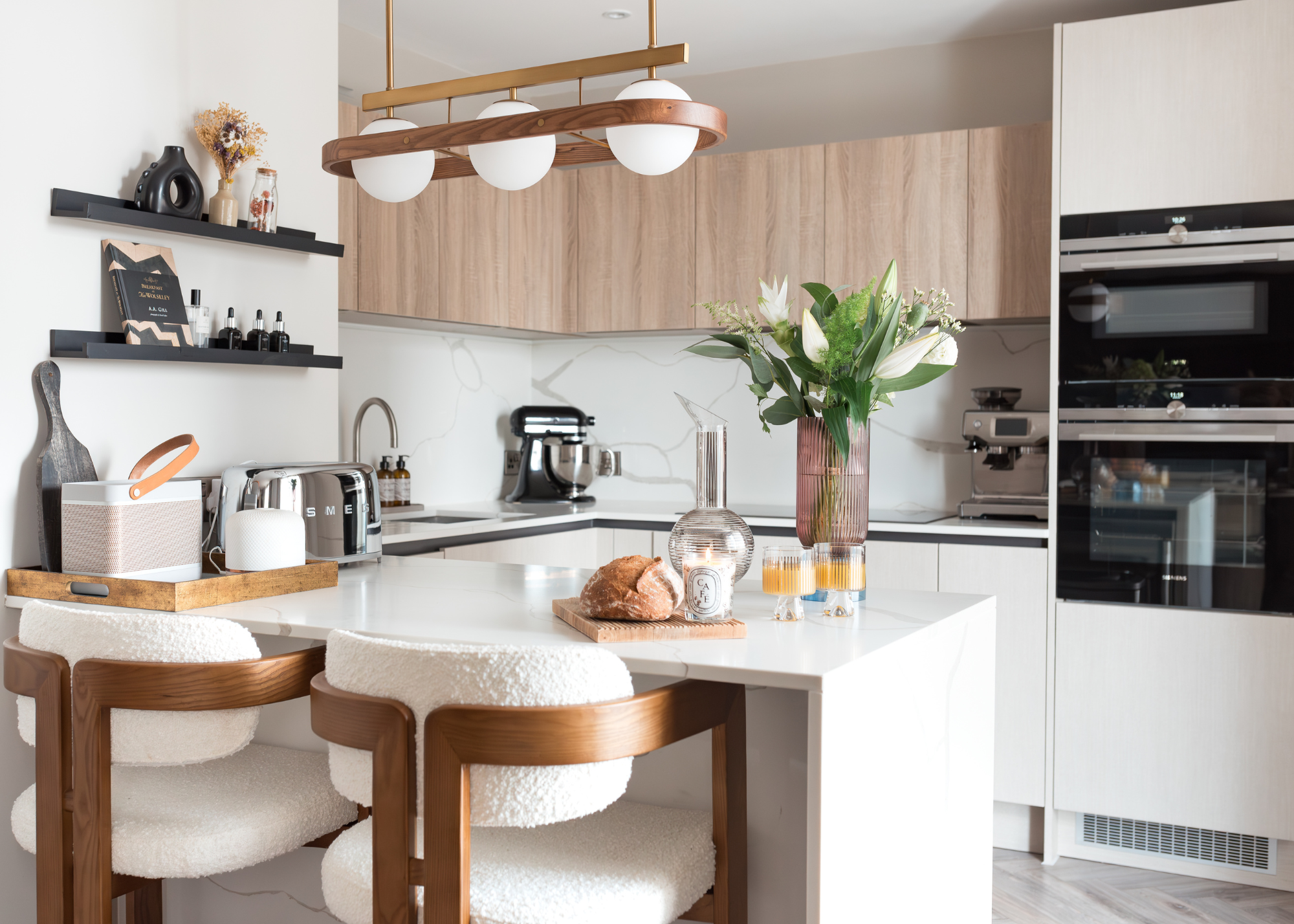
A lot of gadgets these days are built into multi-purpose kitchen appliances. If you invest in well-made, well-designed appliances, Merlin says you can avoid unnecessary gadgets, unless they are guaranteed to enhance your daily life, leaving your countertops clean and clear.
In terms of kitchen drawer planning and organization, Caroline McBride, Sales design consultant, assures us that, “You don’t need to go over the top with drawers and mechanisms, as these can get expensive, but focusing on a smart layout instead can make a big impact without blowing the budget.”
Spend: Countertops

“When renovating a kitchen, I always begin by focusing the budget on the elements that shape the way you experience the space every day,” says Simon Mayhew, founder and interior designer, TXTURED. “The countertop is the first place I would invest. It becomes the visual and tactile anchor of the room.”
Even though the kitchen countertop ideas are often one of the last things to be installed, it shouldn’t be low on your kitchen design priority list. It’s one of the most visually prominent features and the element that takes the brunt of day-to-day cooking, prep, and clean-up. Caroline explains, “Worktops complete the look of a kitchen, so I would always spend a little extra here. A beautiful, well-chosen worktop instantly makes the kitchen feel luxurious and can elevate the overall design.”
“Investing in a high-quality, beautiful countertop not only enhances the look of your kitchen, but also ensures lasting performance in one of the home’s most hardworking spaces,” says Jonathan Stanley, expert at Caesarstone. He explains, “The worktop is the hardest-working surface in any kitchen — it’s where the real traffic happens, from food prep to family gatherings, and that’s why it’s worth investing in a material that can withstand daily wear and tear.” Makes sense.
Save: Hot Tap

A hot water tap is still quite the sought-after item to include in a new kitchen design, and according to Wodar’s design director, Michael Sammon, it's a classic area where you can be very savvy with your spend, but you must do your research on the type of kitchen tap. “Brands are charging eye-watering sums simply because they have been in the market longer, yet challenger brands now offer the same core technology, excellent build quality and a far more generous choice of finishes without the price premium,” he explains, “If you are paying extra, it should be for tangible benefits such as capacity, safety features and reliability, not just a badge on the box.”
It seems, where you can save is by looking at what you actually need the tap to do. For many homes, a combined boiling and filtered tap is more than enough, clearing the countertop of the kettle and jug filter in one go. “You do not have to spend more to access different finishes. Well-specified ranges will offer stainless steel, chrome, matt black, and warmer metallics at the same price point,” so you can choose a look that works with the rest of your scheme, rather than letting a limited finish choice dictate the kitchen design.
Michael recommends that when purchasing a hot tap, focus on a solid warranty, good filtration, easy access to replacement cartridges, plus a style that fits and feels timeless in your kitchen. That way, you get the daily convenience and performance of a hot water tap, without overpaying.
If you're looking for a boiler tap, then this Elysian 4-In-1 Boiling Water Tap from ABI interiors would be the perfect fit!
Spend: Flooring

Not only is kitchen flooring a real working element being constantly in use, but it also spreads across the entire area, so visually it’s one of the most influential features in any home, setting the tone from the moment you walk in. Being that it’s such a large and practical part of the interior, it’s definitely worth the time and money to get it right.
We checked in with Neel Bradham, CEO and expert at global flooring brand, Parador, to see what he had to say about it: “It anchors the overall design, creates visual continuity, and influences how a room feels – from warmth and comfort to openness and flow.” High-quality flooring elevates the ambience, adding lasting value, and performing well over time – it’s the base, where to begin and build up from, and enhancing the craftsmanship of the entire interior. When a room is grounded with thoughtful, well-made materials, the whole space feels more refined, intentional, and enduring,” he says.
Save: Tiles
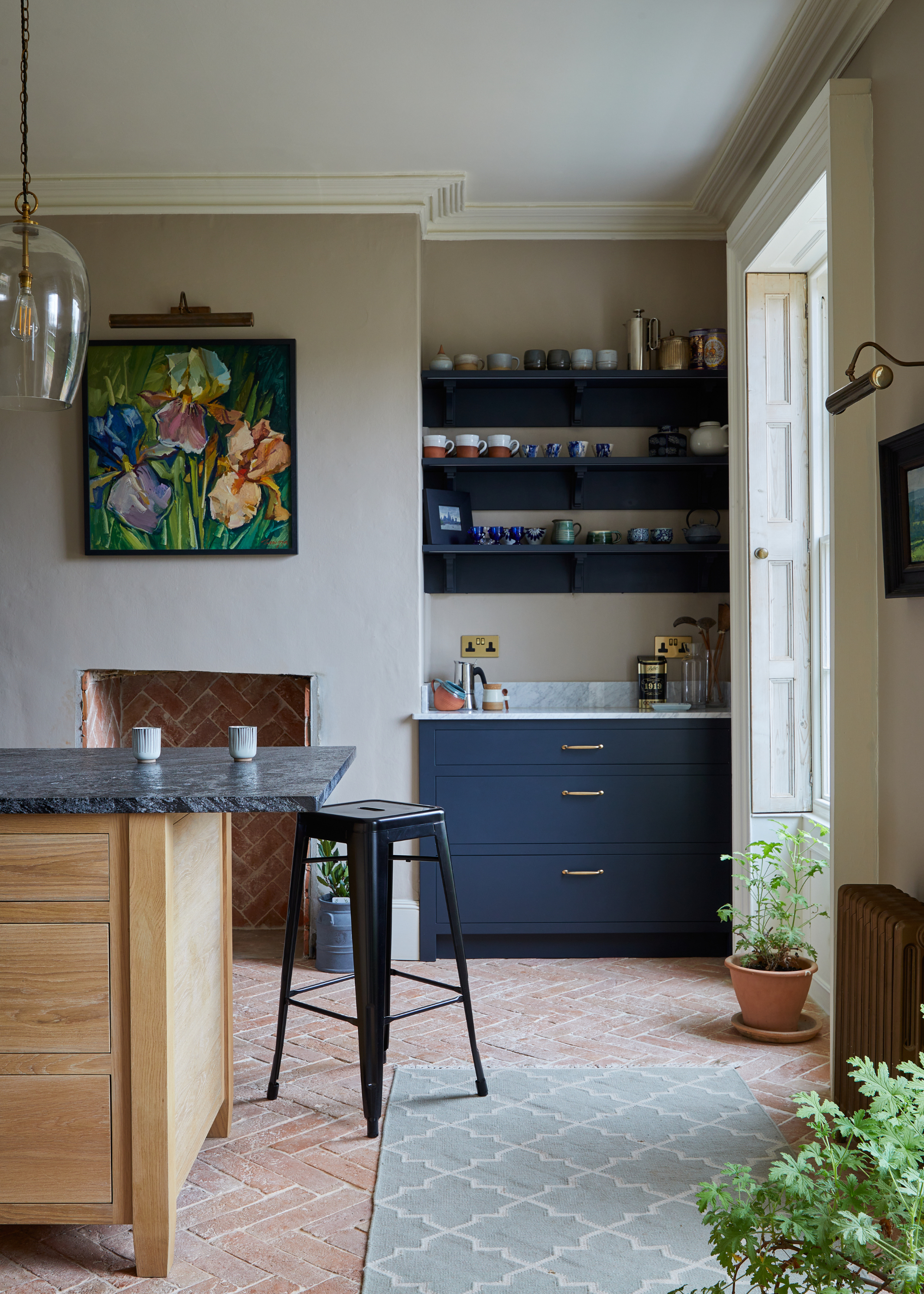
Whether they’re used for your kitchen backsplash ideas or flooring, tiles can be a fairly dominant feature in the kitchen, yet they are one of the most flexible parts of a kitchen budget because they can sit at both ends of the spending spectrum.
Head of creative at Ca’ Pietra, Grazzie Wilson suggests, “ If you would like to play with a strong trend or a really joyful pattern, a well-priced ceramic or porcelain tile can be a brilliant way to do it. You still get all the practicality of an easy-clean splashback or a durable floor, but you free up more of the budget for cabinetry and appliances.”
Grazzie recommends, “Marble-effect porcelains can also give that soft veining and sense of depth people love from stone, while being kinder to both cost and maintenance.”
However, you’ll need to choose what’s right in your particular case. Grazzie explains, there are projects where the kitchen furniture and tiles need to be in quiet conversation with each other, “If you have invested in a bespoke, handmade kitchen, it can make sense to step up to natural materials, whether that is a marble splashback behind the hob, a limestone floor that runs through to an adjoining space, or a beautiful stone mosaic that ties in with your worktops.” Natural stone brings a certain tactility and variation like no other. “There is no single right answer. The decision really comes down to the overall value of the kitchen, how long you plan to stay in the house, and whether tiles are playing the role of playful accent or long-term architectural backdrop.”
Tie into the terracotta pallette with pots and planters like this.
Spend: Appliances
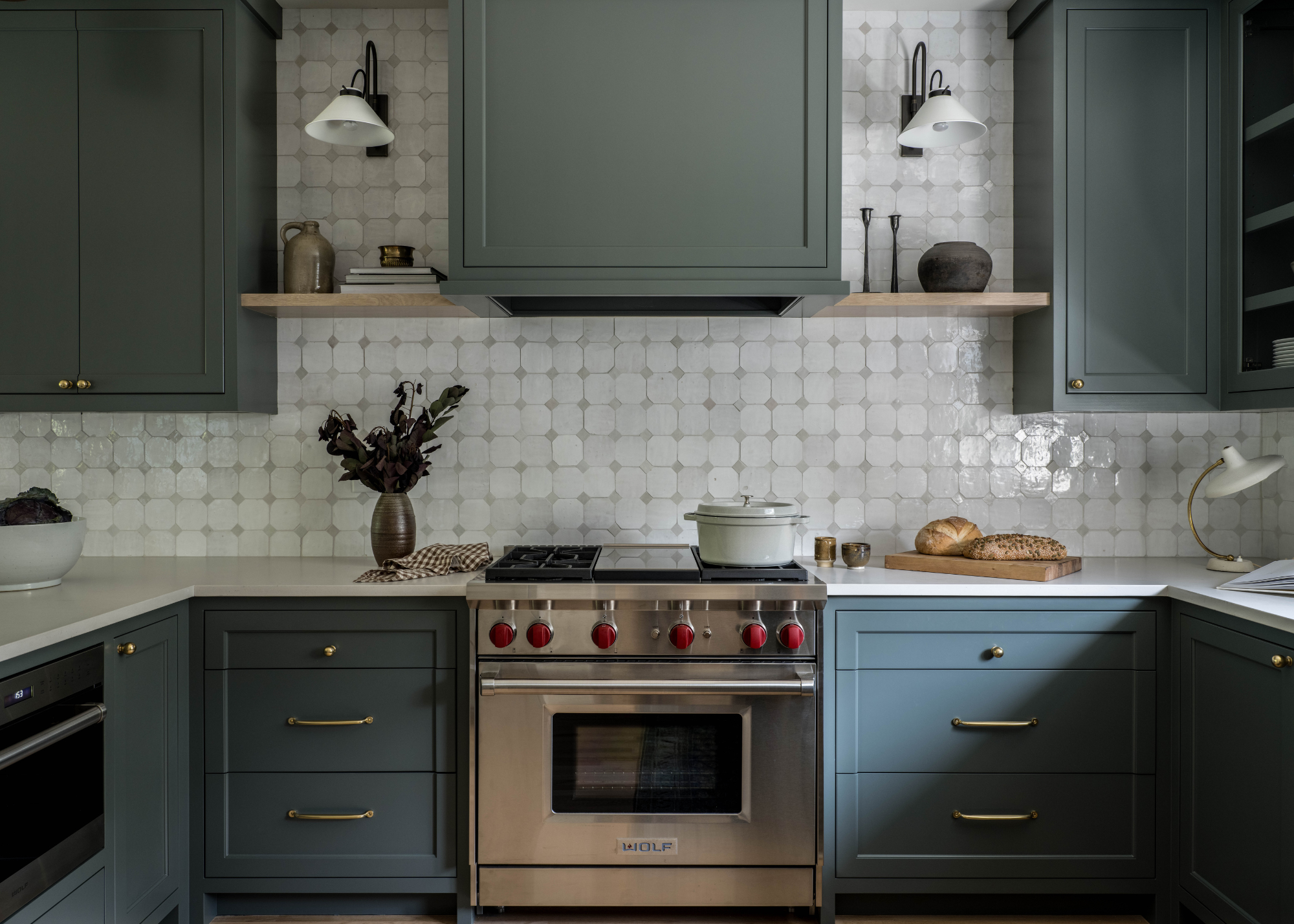
Let’s start with the cooker — often a main focal point in the kitchen, where people gather around the warmth and create a feast to enjoy together. Simon says, “The cooker is both a practical essential and one of the strongest focal points in a kitchen, so it deserves attention.”
Moving on to other kitchen appliances, Helen Parker, creative director of deVOL Kitchens explains that appliances are often the first thing to be seen as a way to cut costs during a move or renovation, but this way of thinking may prove more costly in the long run, “It's easy to think a cheap dishwasher or washing machine doesn’t really matter, as they’re not seen, but it can have huge repercussions with energy bills, broken appliances, regularly needing to replace a poorly made cheap product and the stress of things breaking down and having to organise ordering new parts,” something we’ve all endured, I’m sure, “ A golden rule in all aspects of your home, especially with appliances, is to buy the best you can afford and check their efficiency and quality before you rush into buying them cheaply and quickly.'
It seems appliances should be prioritised, especially if you enjoy cooking, have a big family with lots of laundry, etc. These machines are getting used multiple times every single day, so investing in quality, reliable appliances will pay off in performance and longevity, and you won’t have to replace them again in a few years.
Save: Decorative Lighting
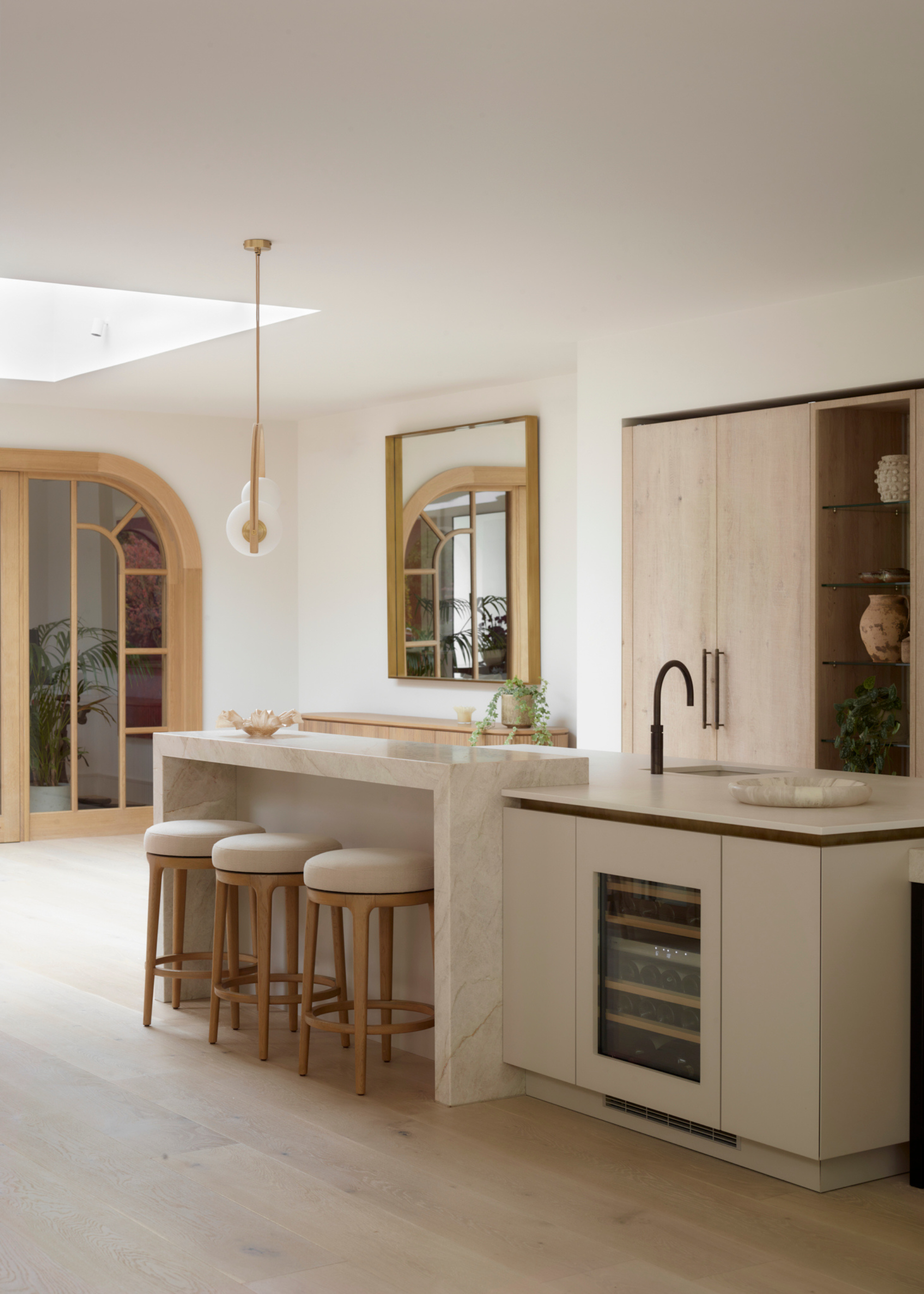
When it comes to kitchen lighting ideas, task lighting is, of course, an essential part of a kitchen and takes a fair amount of planning and positioning, whereas decorative lighting is much more playful and simple to change, should you want to update it as trends come and go. “Areas like decorative lighting offer thoughtful opportunities to save without compromising the overall look and feel of a design-led kitchen,” says Peter Humphrey, Founder of Humphrey Munson.
Simon Mayhew agrees, “Lighting is a key area worth investing in, but it does not have to cost the earth. Island pendants, in particular, act like the jewellery of the kitchen. They frame the room and set the overall atmosphere, and there are excellent design-led but accessible brands available.”
Wall lights can be perfect for elevating the symmetry in kitchens.
Save: Hardware
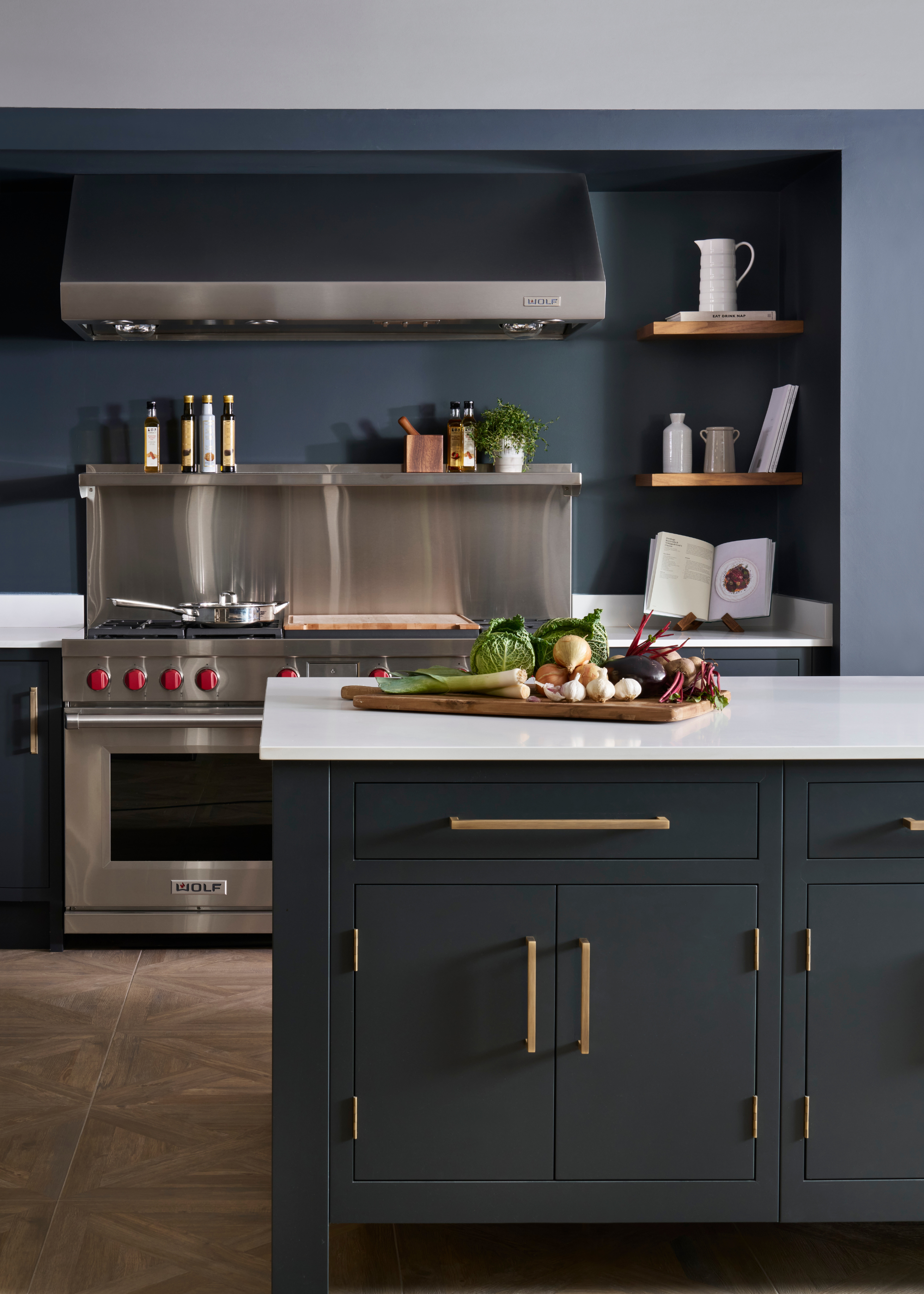
Kitchen hardware is a place where you can confidently save without compromising on design. Throughout the day, we touch our kitchen handles dozens of times, so ideally they should be quality, but shouldn't need to be extortionate. “A solid brass handle with a good weight in the hand will always feel more reassuring than a lightweight alternative and will age more gracefully, gaining a gentle patina rather than peeling or pitting,” explains Gareth Hull, design lead at Hendel & Hendel. Hardware like this is the sort of quiet detail that makes a simple run of cabinets feel that much more refined.
A little advice from Gareth, “Where people can save is by separating true craftsmanship from hype. You do not need to commission something wildly expensive for hardware to be special. Look for designs that have been well resolved in terms of proportion and profile, with finishes that are properly plated or living rather than sprayed.” Don't forget, if you choose a classic shape in a finish that ties in with your tap and lighting, you can refresh paint colors and even door styles around it over time while keeping the same handles in place — a timeless approach. “It is a one-time investment that works very hard in daily use, but it should still feel fair and accessible, not like a decorative extra that has consumed a disproportionate share of the budget.”
FAQs
How Much Budget Should You Set Aside for a Kitchen Renovation?
Firstly, when it comes to budgeting for a kitchen makeover, there is no solid figure you should necessarily be spending on a kitchen; however, our aim is to manage your expectations and ensure they’re realistic enough for you to take things forward and create a space to suit you and your lifestyle.
To do so, Al Bruce, Founder of Olive & Barr, has given a detailed rundown on the gist of the budget. “Typically, the kitchen cabinets make up 50% of the budget, worktops 30% and appliances 20%. There are a multitude of options when designing a kitchen for varying budgets and room sizes. From compact kitchens starting at £10,000, modest kitchens ranging from £25,000 right up to large-scale designs with all the latest appliances at £40,000 and over.”
But, before jumping into accumulating quotes and overwhelming yourself with too many options, you must do your own research in terms of style, preferences, essentials, and bonus elements to add in, should the budget allow. Pinterest is a great place to start sourcing and keeping track of your ideal style, and you’ll soon be able to hone in on the details to explore what you really look for in a kitchen.
From there, Al recommends searching the market for that specific design to see who specialises in that area, for example, in-frame shaker kitchens. “Pay attention to the finer details, where the units are made, the material used, and joinery details. Go one step further and check out the reviews to see the customer service. Buying a kitchen is one of the biggest purchases for your home, so you’ll want to feel completely satisfied with the entire journey.”
“When the time comes to browse the market and gather quotes, it’s best to keep the competitor's price to yourself in the first instance. “Once the quote is through, compare the quality and details, such as the type of handy storage units or the finish of the worktops. Never scrimp on quality; a kitchen will last you for years to come.”
Finally, be sure to study appliances and find out what you really need to match your lifestyle. With so many options, you’ll need to determine exactly what you’re looking for. For example, “Do you want smart appliances that are connected to Wi-Fi, or do you like the sound of a self-cleaning oven? Once you’ve figured out the answers, shop around for the most competitive price and best quality. A top tip: some of the top brands are made by the same manufacturer, meaning the only real difference is in the price.”
There’s a balance to work to when choosing where the budget goes. Simon Mayhew recommends, “Spend on the elements you see and touch every day, where quality and craftsmanship genuinely enhance the experience of the space.” It’s much easier and more forgiving to save on the quieter details that sit in the background. He says, “A kitchen should feel layered, personal, and lived in. The value comes not from how much you spend, but from how beautifully everything works together.”
Be sure to clear out dust-gathering things at the back of the current kitchen cabinets and note how much space you actually need, prioritize what’s important to you, and aim to make it work with your lifestyle, before making any wild decisions.