
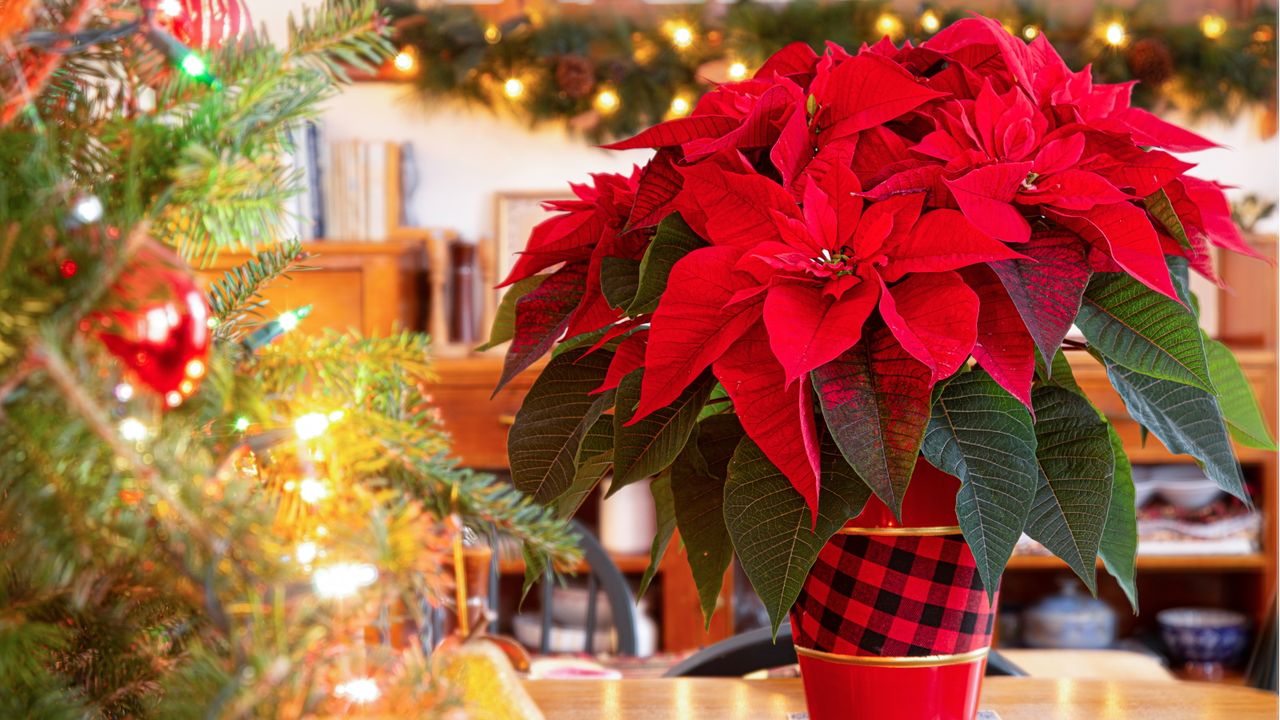
I usually throw my poinsettias away once the holidays are over, but it turns out they don’t have to be a one-season plant. With the right care, poinsettias can live year-round – and even return in time for next Christmas.
Although these Christmas plants naturally fade as the season ends, that’s no reason to discard them. Poinsettias are tender perennials, and a healthy plant can thrive for months after the holidays with just a few simple adjustments.
It's a simple case of knowing how to care for a poinsettia post-December. From managing temperature and light to knowing when to prune, the basics are surprisingly straightforward. I spoke to plant-care experts to uncover their simple, seasonal tips for keeping a poinsettia alive, and looking good, long after Christmas. Here they share their top three must-dos to give your poinsettia longevity.
1. Give Your Poinsettia Time to Rest
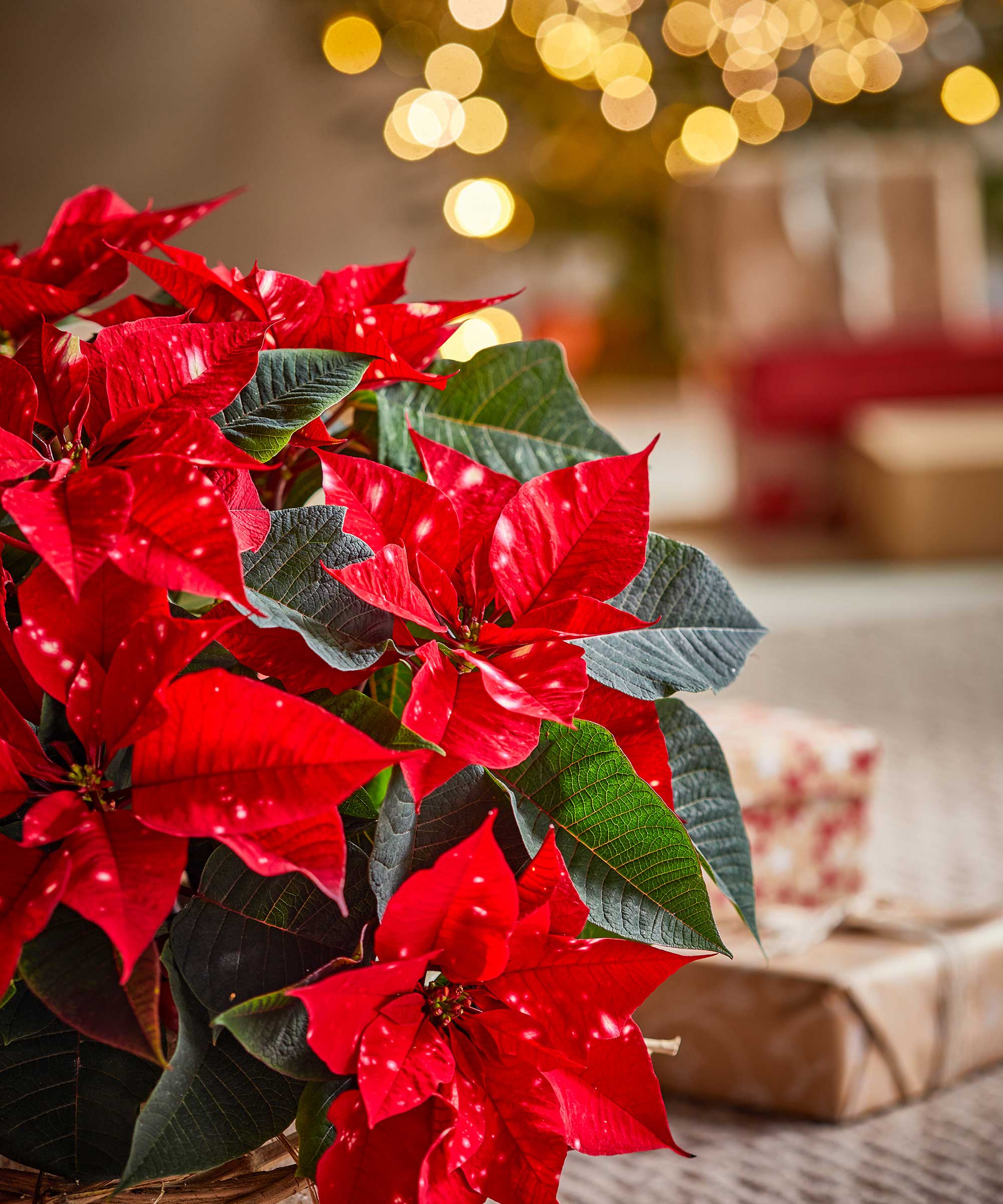
After the holidays, it’s normal for all types of Christmas poinsettias to stop flowering. Their colorful bracts fade and leaves may drop, explains Nastya Vasylchyshyna, resident botany expert at Plantum.
‘This is the time when the plant goes dormant, preparing itself for future active growth and blooming next holiday season,’ she says. While this can look alarming, it’s a natural part of the poinsettia’s life cycle, and the moment when correct care matters most.
The first step is pruning, which helps the plant conserve energy and encourages fresh growth later on.
‘When the poinsettia begins to drop its bracts, make sure to cut back the bare shoots by about one-third or half their length, leaving about four to five inches at the base,’ Nastya advises. Because the sap can irritate skin, it’s best to wear gardening gloves while you work.
You won't need heavy duty pruners for this job; these snips from Amazon would be ideal.
Next, move your poinsettia to a slightly cooler spot for four to six weeks to support dormancy. ‘During dormancy, the optimal temperature range for this plant is between 55 and 60ºF,’ she says, adding that the location should still be well-lit.
Knowing how often to water a poinsettia is key at this time. Watering should be reduced during this period, as growth slows. ‘As the temperature goes down, the soil will take longer to dry,’ Nastya explains. ‘To prevent waterlogging, give the poinsettia a drink when the topsoil dries out by about two inches.’
2. Repot Your Plant in Late Spring
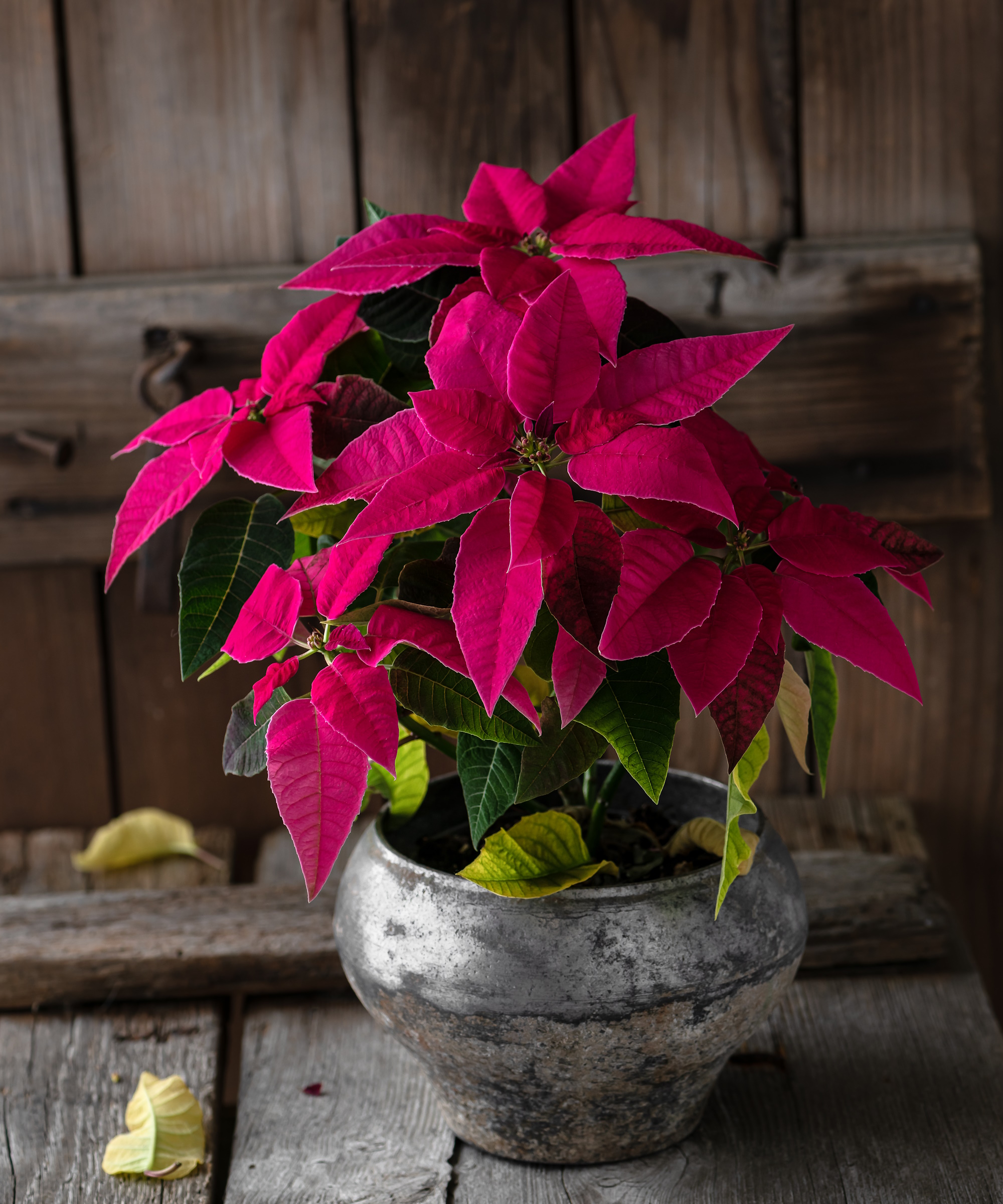
Poinsettias typically begin to show signs of fresh growth in late spring, once dormancy ends and daylight levels increase. This is the ideal moment to repot them, giving the roots more space and access to fresh nutrients after their winter rest.
Repotting at this stage can help stimulate healthy new growth, says Nastya. ‘Opt for a nutrient-rich, well-draining, and slightly acidic potting mix.’ This Miracle-Gro indoor plant potting soil from Amazon would work well.
Choose a container that’s only slightly larger than the previous one and make sure it has drainage holes, she adds, as poinsettias dislike sitting in wet soil.
When repotting, gently loosen the root ball and remove any compacted or depleted compost, taking care not to damage the roots.
Water lightly after planting, then return the poinsettia to a bright, warm spot where it can resume active growth. From here, regular watering and feeding through spring and summer will help the plant build strength for its next flowering cycle.
3. Adjust Your Care Routine During the Growing Season
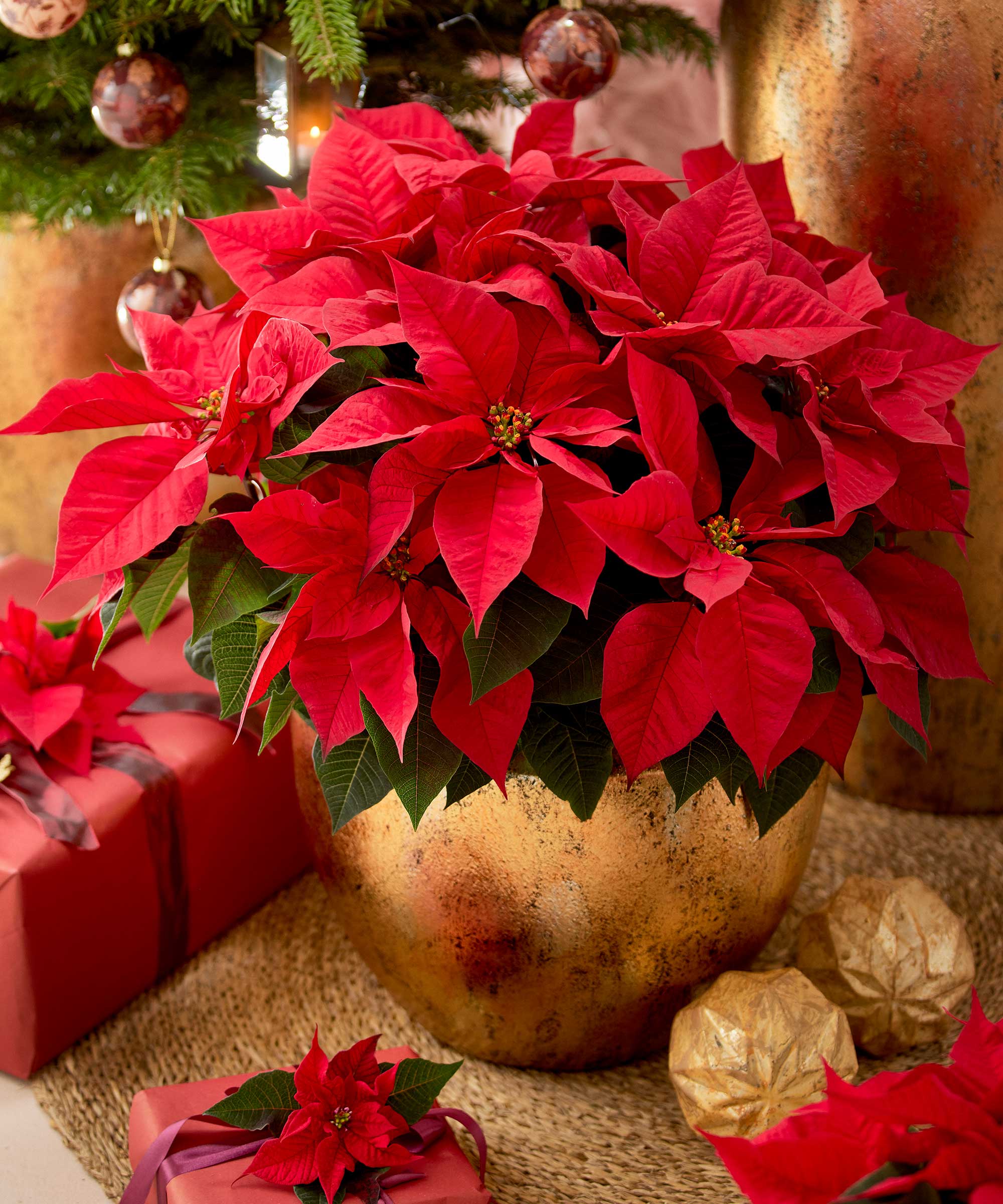
Once the growing season begins, it’s time to adjust your care routine to encourage healthy growth and prepare for next year’s blooms.
Nastya recommends gradually increasing the temperature to 64–68°F and starting to water more frequently. The plant will signal when it’s thirsty: wilted or curling leaves are a clear cue, notes Paris Lalicata, plant expert at The Sill. ‘Be sure to evenly and thoroughly saturate the soil,’ she adds.
Lighting is equally important. Keep your poinsettia bright, but avoid direct, harsh sunlight. ‘Avoid strong, direct sunlight from a south-facing window unless the sunbeams are diffused by a sheer curtain,’ Paris advises. If natural light is limited, a grow light, such as this one from Amazon, can provide the extra brightness the plant needs to thrive.
Summer care also includes fertilizing periodically with a balanced, indoor plant fertilizer to support growth and strengthen the stems for winter flowering.
As new shoots appear in late spring, Paris recommends pinching back the tips. This encourages a compact, bushier shape, ensuring the plant looks full and lush.
Looking ahead to fall, remember that poinsettias need periods of complete darkness each night to trigger their colorful winter bracts. Placing the plant in a darkened room or covering it for 12–14 hours nightly for six to eight weeks will help it bloom beautifully in time for the holidays.
Shop Poinsettia Care Essentials
Once your poinsettia is putting on fresh growth, you can give it a boost with some specially formulated poinsettia fertilizer.
Watering can be reduced after the holidays. A brilliant way to prevent over-watering and making sure your plants are hydrated even if you leave town for a few days, is by using these beautiful glass watering globes.
Poinsettias release a little sap when pruned, so to protect your skin it's advisable to wear lightweight gardening gloves.
FAQs
Can You Move a Poinsettia Outdoors?
If you're wondering whether poinsettias can live outside in winter, they will struggle to survive outside where temperatures drop below 50°F. You can, however, move your poinsettia onto a patio during the warmer months, just be sure to bring it back indoors before temperatures drop.
There are other things you can do with a poinsettia after the holidays if you don't fancy keeping it as a houseplant. Our guide will give you some ideas, such as using them for craft activities.