As the National Oceanic and Atmospheric Administration (NOAA) issues a winter storm warning for several states, it is more important than ever to check your winter essentials to prepare for bad weather.
From snow shovels to emergency alarms, these five must-haves will keep you and your home safe when up to two feet of predicted snow settles.
These are the tools the experts recommend to prepare your home for a snowstorm, and why they make such a difference when the weather turns.
5 Must-Haves to Prep for Winter Storm Warnings
While the November 2025 warnings are specifically for New York, Nevada, and parts of California's Northeastern region, anywhere where temperatures drop should prepare a house for cold weather and stock up on essentials before there's a sudden rush for supplies or infrastructure, and therefore, home deliveries are delayed or impossible to access.

1. Compact Snow Shovel
Shovelling snow safely is not only useful for leaving and accessing your home, but it can also help to prevent damage, especially as it begins to melt.
A two-in-one snow pusher and ice chopper from Walmart is helpful for this, but Joshua Shanley, emergency management faculty at Purdue Global, adds that you should also have a compact snow shovel for your car.
'When stranded or attempting to navigate through accumulating snow, a compact, car‑friendly shovel becomes invaluable. A lightweight, collapsible snow shovel is one of the most useful tools to keep in your car during the winter months. It allows you to quickly dig out tires if you get stuck in snow or clear around your vehicle during a roadside stop.
'The Garant ABS Telescoping Car Shovel & Snow Brush (available at ACE Hardware) is a great choice. It stores easily and includes a built-in brush to help remove snow from windshields and windows.' It is also ideal for storing in small entryways if you are short on home storage.
2. Backup Power
A home backup battery can be vital in a power outage, giving you power to heat your home, cook, and communicate in severe weather. While a winter storm will not always equate to grid failures, it never hurts to prepare a home for a power cut, Joshua continues.
You can hook up a generator to your house, such as the top-rated Generac GP Series 6500 Gas portable generator from ACE Hardware, or, for a less permanent solution, a power bank should suffice.
'A portable power bank or USB battery pack allows you to keep phones and small electronics charged, ensuring you can receive updates, call for help, and maintain light,' Josh explains. 'Tools like the Nebo Rambler 20,000 mAh Power Bank with Flashlight (available at Amazon) are compact, multi-use, and widely available.'
In terms of communication, Sean Gold, emergency management specialist and owner of True Prepper, adds, 'I strongly suggest having an emergency weather radio, too. This is a powerhouse for any disaster- stay informed, charge your devices, and have a light at night with solar/crank recharging. I like the Eton Odyssey (available at ACE Hardware).'
3. Reliable Emergency Lighting
Many people rely on candles to help get a home emergency ready; however, Joshua warns that this is both unreliable and poses a home fire risk.
Instead, he says, 'Battery-powered LED lanterns are a safer, longer-lasting alternative for illuminating entire rooms. Choose a lantern that offers multiple brightness settings and extended battery life, such as the Milwaukee M18 700 lumen Red LED Lantern, from ACE Hardware, or the Rayovac Workhorse 600 lumen Black LED Lantern, also from ACE Hardware.'
4. A Carbon Monoxide Dectector
'In colder months, the risk of carbon monoxide poisoning rises, especially during storms when alternative heat sources, fireplaces, or generators are used,' Josh warns. 'A working carbon monoxide detector with a battery backup is critical for home safety. Options like the First Alert Plug-In Alarm with Battery Backup (available at ACE Hardware) is easy to install and highly effective.'
Owning a carbon monoxide alarm is one thing, but it is vital to also understand where to install carbon monoxide alarms to ensure they work correctly. Keep them between knee and head level, no lower or higher.
5. A Heater
A winter storm is, by definition, a cold storm. It is therefore essential to know how to heat your home when the power is out to keep you and your family safe in the worst-case scenario.
Sean suggests, 'Mr. Heaters Buddy's (sold at ACE Hardware) can pick up the slack when your central heating system loses power. Make sure they are ventilated properly, that you have ample propane stored, and an adapter if needed. Know how to use it safely before a storm hits. Alternatively, extra blankets [such as these foil theram blankets from Walmart] and even setting a tent up inside can help trap slightly more body heat.'
What to Shop
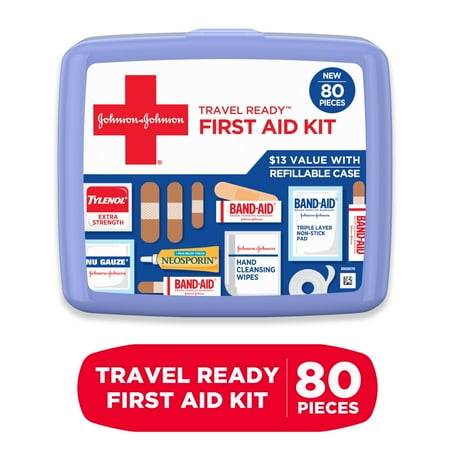
This Johnson & Johnson is filled with 80 wound care supplies, including bandages, cleansing wipes, antibiotic ointment, and sterile dressings, making it ideal for emergency situations.
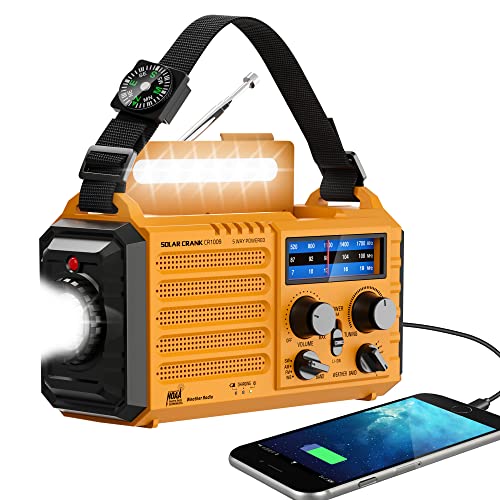
This emergency hand-crank radio has a built-in flashlight, standing light, and phone charging ports to help keep you connected during extreme weather events.
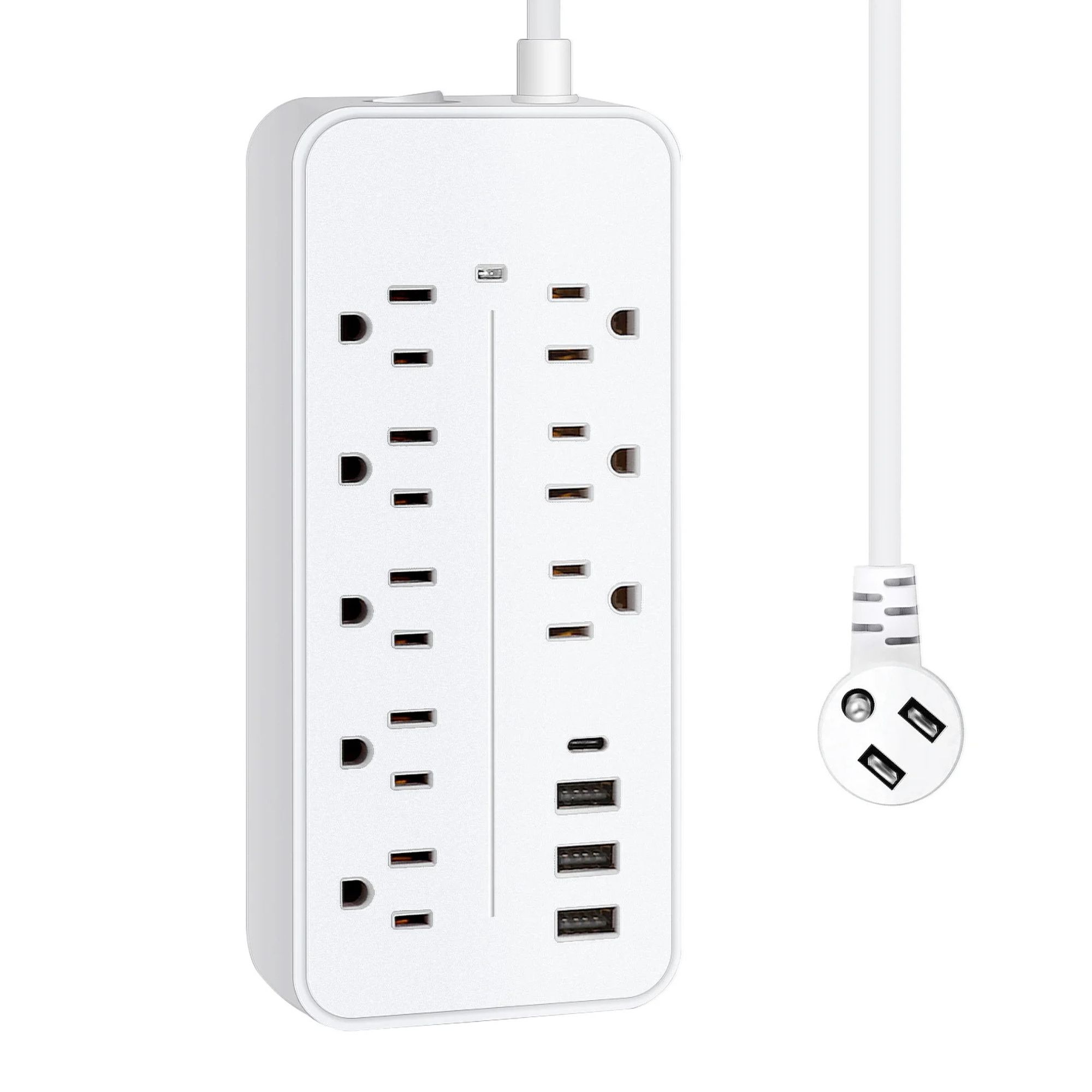
Not only is this a surge protector, but it also comes with eight AC outlets and three USB charging ports – including one that is USB-C. It also lies flat, meaning it will fit snugly into small gaps. If the power load exceeds 15A/1875W, the circuit breaker will trip automatically to keep your device safe.
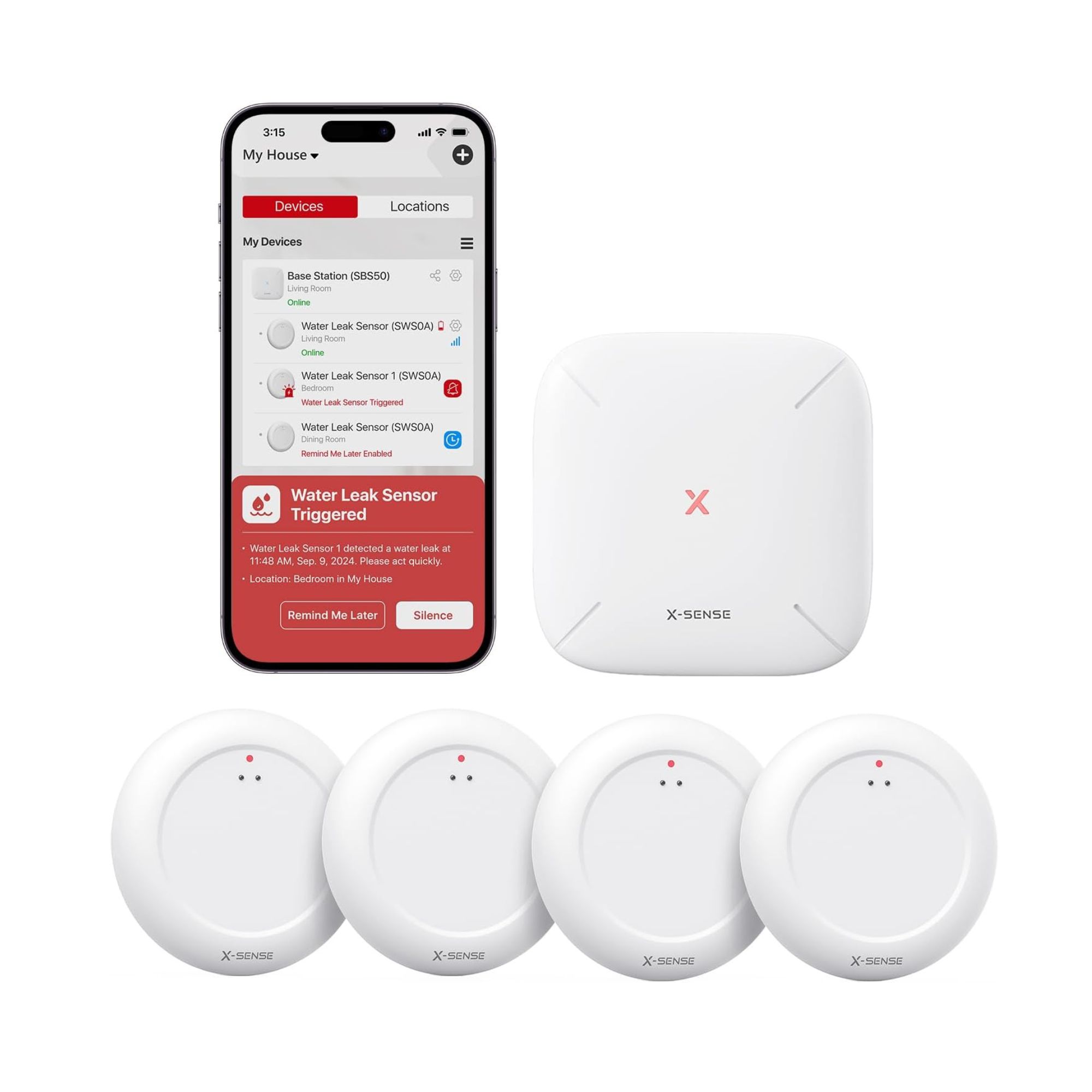
This detector makes staying on top of leaks super easy in winter, when pipes are at risk of freezing and bursting. It is unwired, making it a breeze to install and blend into your home decor. When a leak is detected, a push alert will be sent to your phone from the app, meaning you can take action in a home emergency quickly.
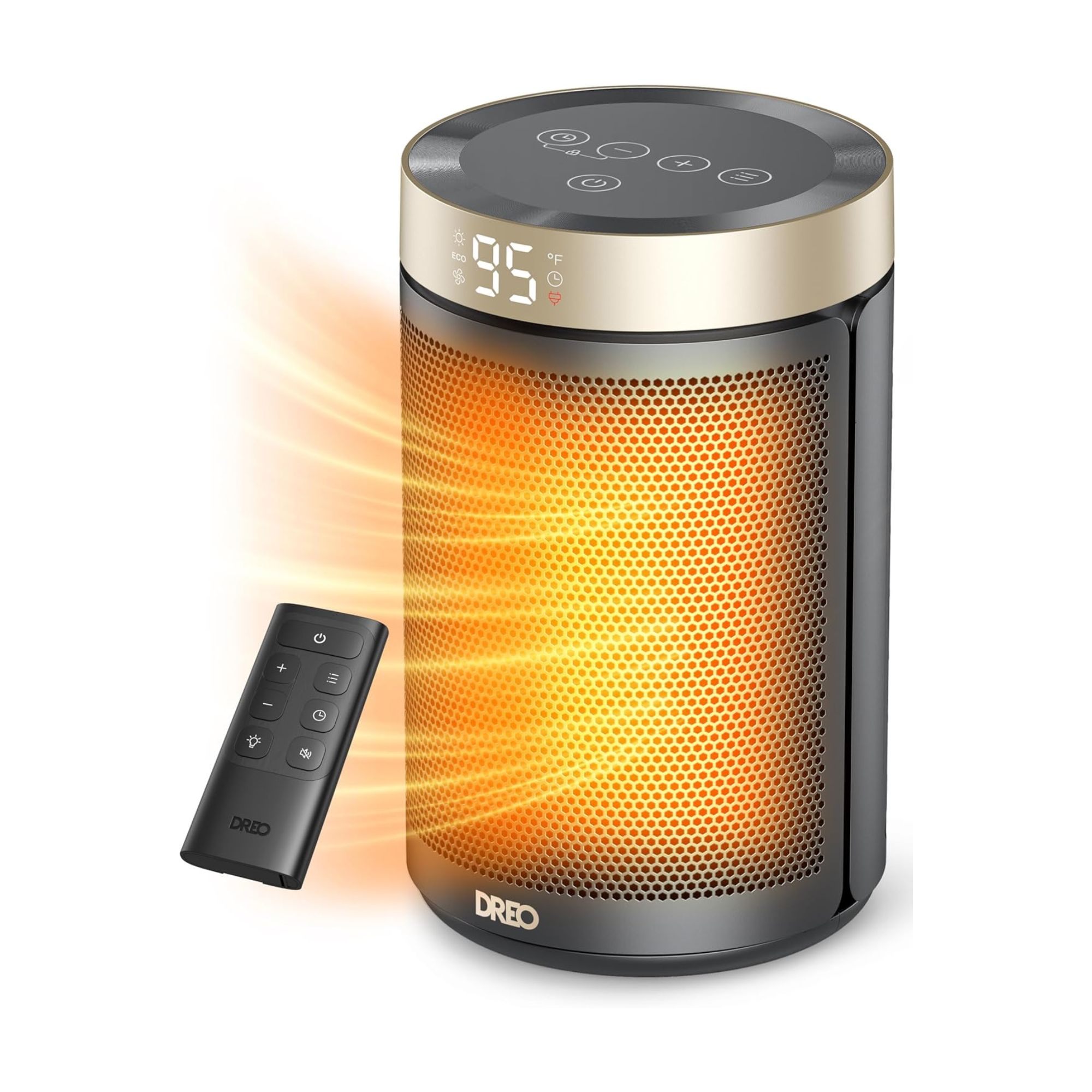
This sleek space heater is proof that you don't have to compromise on getting both style and warmth. It has 1,500 watts and only 34dB of noise. For those with little ones, its child lock and 12-hour timer are useful safety features.
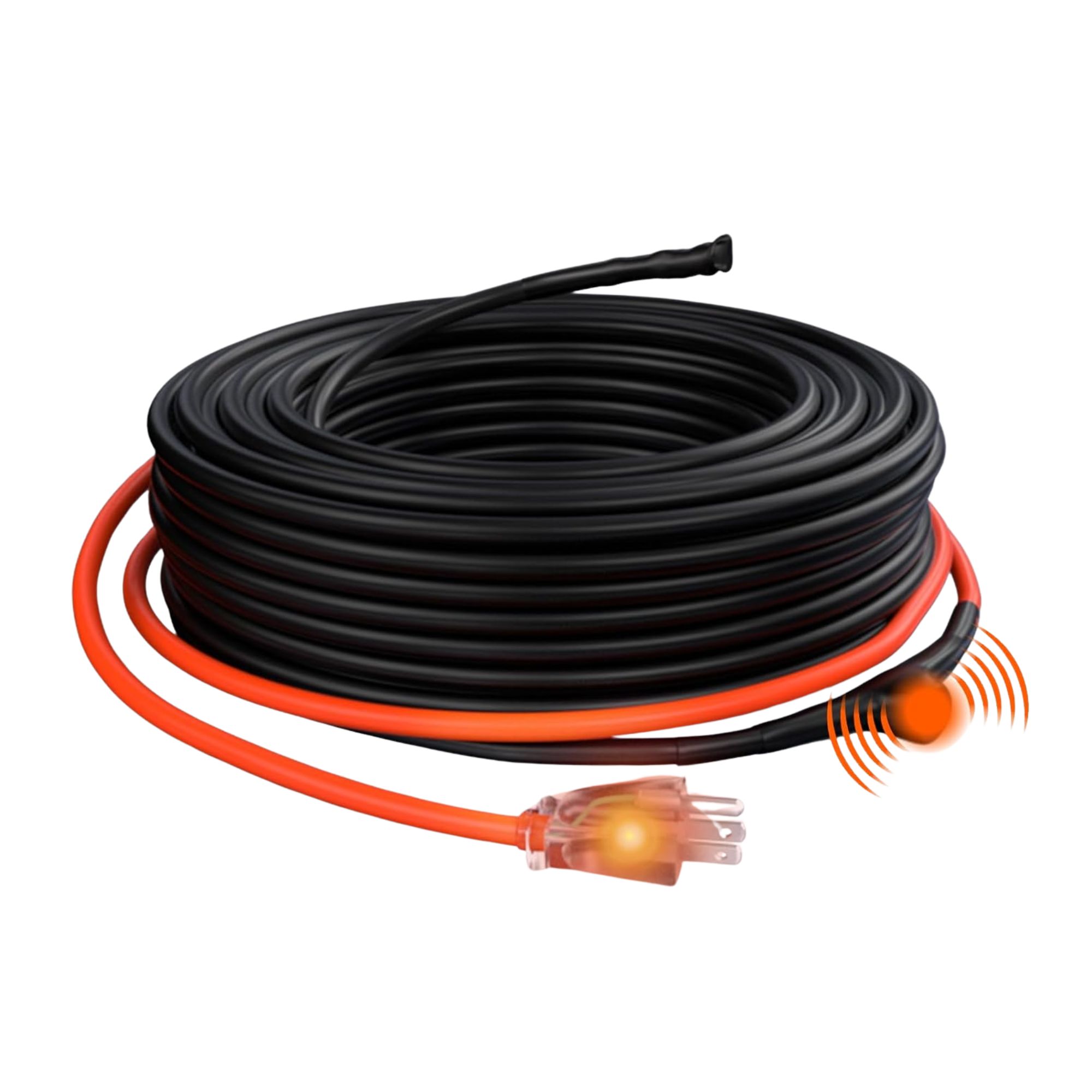
These pre-assembled heat cables have a built-in thermostat. The beauty of these is that they’re not expensive and super easy to set up to help keep pipes warm to prevent freezing and leaks in winter. They are also compatible with a variety of different pipe materials.
Meet the Experts
Live somewhere that experiences bad weather frequently? Consider investing in some home upgrades to prepare your house for extreme weather, such as permanent secondary generators, solar panels, and surge protectors, for longer-lasting protection.