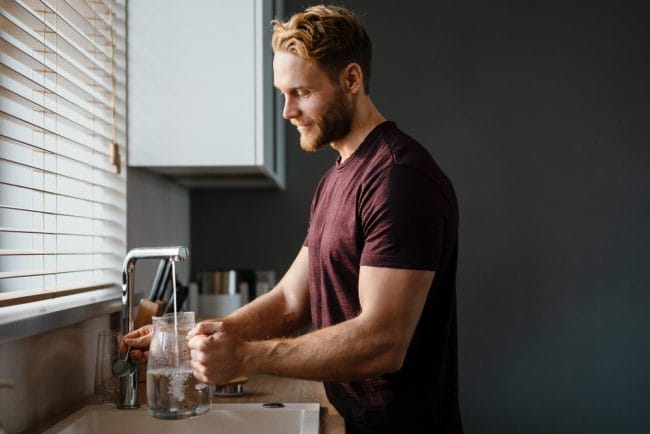
We grow up with a certain level of trust in the tap. You turn the handle, the water comes out clear, and you drink it. In the United States, we assume that clean water is a given, a solved problem. But if you dig into the infrastructure reports of major American cities, that confidence starts to crumble. The crisis in Flint, Michigan, wasn’t an anomaly; it was a warning shot.
The reality is that much of our water infrastructure is approaching a century old. We are drinking from pipes laid down when the Titanic was sailing. From lead leaching to “forever chemicals” (PFAS) that treatment plants can’t filter out, the water in your glass might be hiding invisible toxins. As an investigative writer, I looked into the data, and these are five cities where you might want to think twice before skipping the filter.
Jackson, Mississippi: The System Failure
Jackson has become the modern face of America’s water crisis. It isn’t just about what is *in* the water; it is about whether the water works at all. Years of underfunding and aging treatment plants led to a total system collapse where residents had no water pressure for weeks.
When the water does flow, boil notices are frequent. The issue here is reliable filtration and pressure. When pressure drops, groundwater and contaminants can seep into the cracking pipes. It is a stark reminder that infrastructure requires money, and without it, basic sanitation vanishes.
Newark, New Jersey: The Lead Legacy
Newark has been fighting a massive battle against lead. For years, the corrosion control chemicals failed to stop lead from the city’s aging service lines from flaking off into residents’ drinking water. Lead is a neurotoxin; there is no safe level, especially for children.
While the city has embarked on an aggressive program to replace these lines—a commendable effort—the history here proves how long a city can go while poisoning its residents before a solution is forced. If you live in an older industrial city, you cannot assume your service line is safe just because the city main is new.
Pittsburgh, Pennsylvania: The Rust Belt Reality
Similar to Newark, Pittsburgh struggles with the legacy of the industrial age. A significant percentage of the city’s service lines are made of lead. In recent years, the city has had to provide filters to residents because lead levels exceeded federal thresholds.
The geography of Pittsburgh poses a challenge, too. The hilly terrain requires immense pressure to move water, which stresses old pipes. If you are buying a historic home in this area, inspecting the water line should be as important as inspecting the roof.
Houston, Texas: The Chemical Cocktail
Houston faces a different kind of threat. It isn’t just old pipes; it is industrial runoff. High levels of Chromium-6 (the chemical from the *Erin Brockovich* movie) and other radioactive elements have been detected in the water supply over the years.
Furthermore, as a hub for the petrochemical industry, the risk of groundwater contamination from storms and floods is higher here. Standard municipal filters are often not equipped to remove these complex chemical compounds, meaning they pass right through to your tap.
Las Vegas, Nevada: The Hard Water Limit
Las Vegas relies heavily on Lake Mead, and as water levels fluctuate, the concentration of contaminants can change. But the primary issue here is extreme water hardness and the presence of arsenic in the groundwater of the surrounding region.
While the city treats the water rigorously, the sheer mineral content can be harsh on skin and appliances. More concerning is the reliance on a shrinking water source, which concentrates pollutants. It is a city where a high-quality reverse osmosis system isn’t a luxury; it is a necessity for palatability and safety.
Filter First, Trust Second
This isn’t about fear-mongering; it is about consumer awareness. You cannot control what the city pumps into the mains, but you can control what comes out of your faucet. The era of blindly trusting the tap is over, specifically in areas with aging infrastructure or heavy industry.
Invest in a water report for your specific home—not just the city-wide average—and buy a filter that is certified to remove the specific contaminants found in your area. Your health is worth the investment of a decent under-sink filter. It is the cheapest health insurance you can buy.
What’s In Your Glass?
Do you drink straight from the tap, or are you a bottled-water-only household? Tell me where you live and what your water tastes like in the comments.
What to Read Next…
- Cardiologists Warn: The Healthy Breakfast Meat That Hardens Arteries Fast
- 12 Pantry Staples That Practically Last Forever
- Healthy Doesn’t Mean Safe: 9 Grocery Habits That Quietly Raise Your Food Poisoning Odds
- 12 Foods You Think Are Healthy That Are Actually Destroying Your Metabolism
- 8 Signs You Are an Empath Absorb Other People’s Stress
The post Don’t Drink the Tap Water Here: 5 U.S. Cities with the Most Compromised Pipes appeared first on Budget and the Bees.