Police visited Maciej Adamski's restaurant north of the Polish capital 16 times in 10 days, telling him that he had to shut up shop because of coronavirus restrictions, but Adamski is not convinced that is strictly correct.
His restaurant, Qlturalni Qlinarni Q&Q, serves traditional Polish fare, the walls festooned with guitars and other instruments.
"Don't be afraid," he told Reuters one lunchtime, surrounded by fewer than half a dozen customers. "All (restaurants) should open because these restrictions are not enforceable.
"...We either open and survive or we all close. Everything that we worked for for so many years will simply disappear."
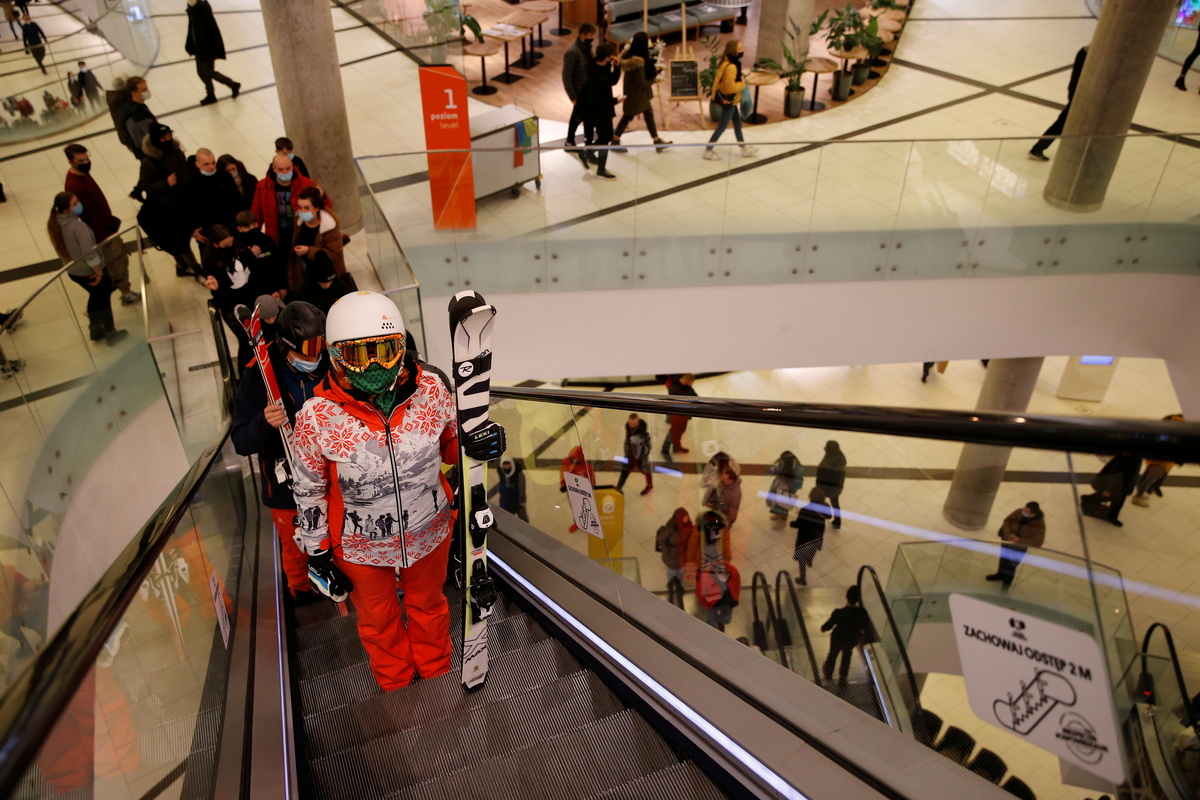
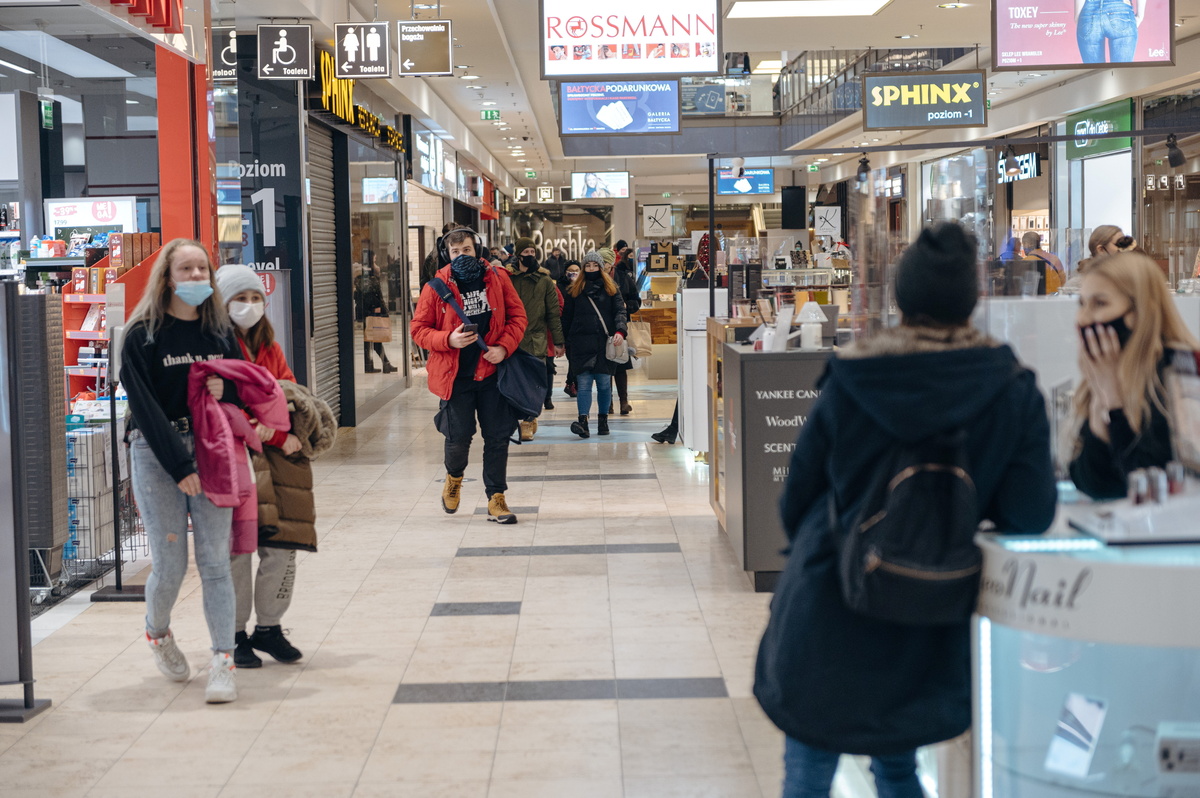
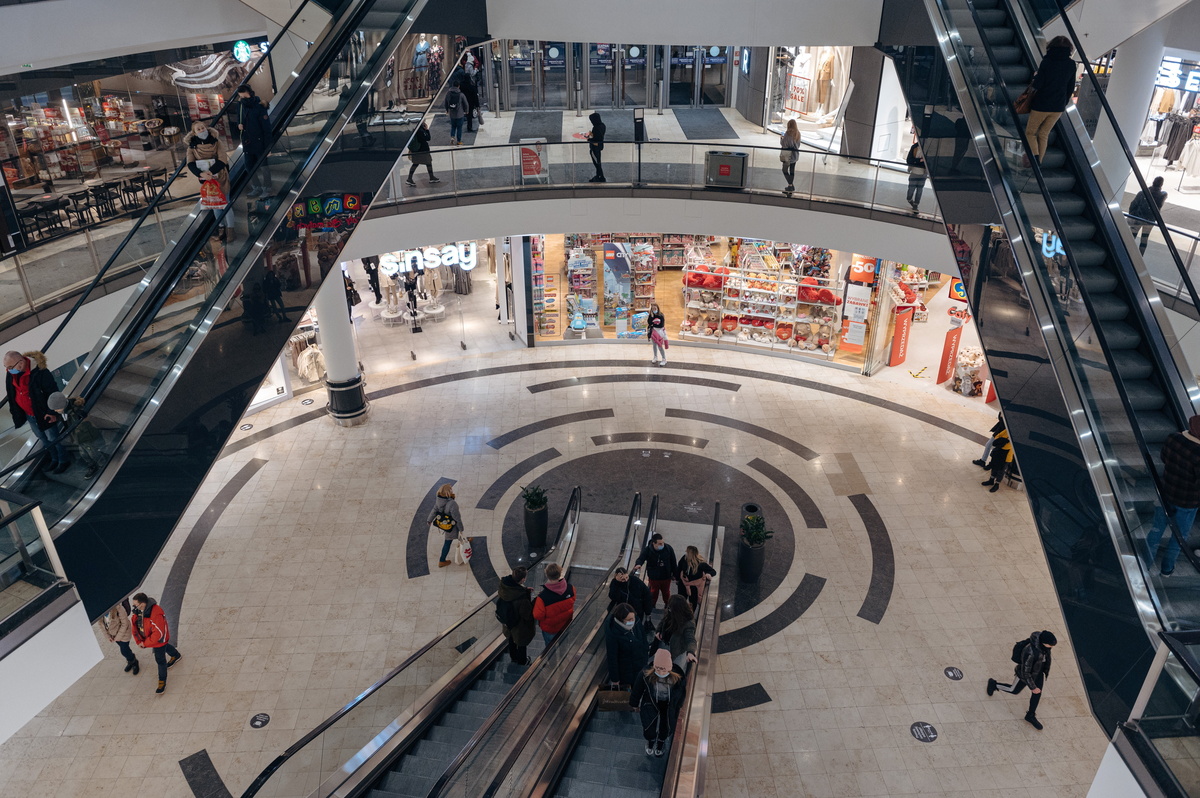
Poland on Monday loosened some restrictions across the country, with shopping malls allowed to open and gyms and restaurants ordered to stay closed.
But up to 20,000 restaurants are expected to open anyway, according to the Polish Gastronomical Chamber of Commerce, without enough financial support and lack of clarity over now enforceable the lockdown laws are.
Adamski condemned police for raiding a nightclub in the southern town of Rybnik over the weekend. They used tear gas and batons against patrons, according to media reports, but he said he wasn't worried about similar action against him.
A spokeswoman for the police in Rybnik did not immediately respond to calls and SMS requests for comment.
To soften the impact of the pandemic, Poland launched a multibillion zlotys support scheme for companies. But Adamski said that support did not last long enough.
"If it was the same as in other European Union countries, we would calmly close and wouldn't worry about anything," he said. "But today what we have is a tragedy."
A government spokesman did not immediately respond to Reuters request for comment on financial support on offer.
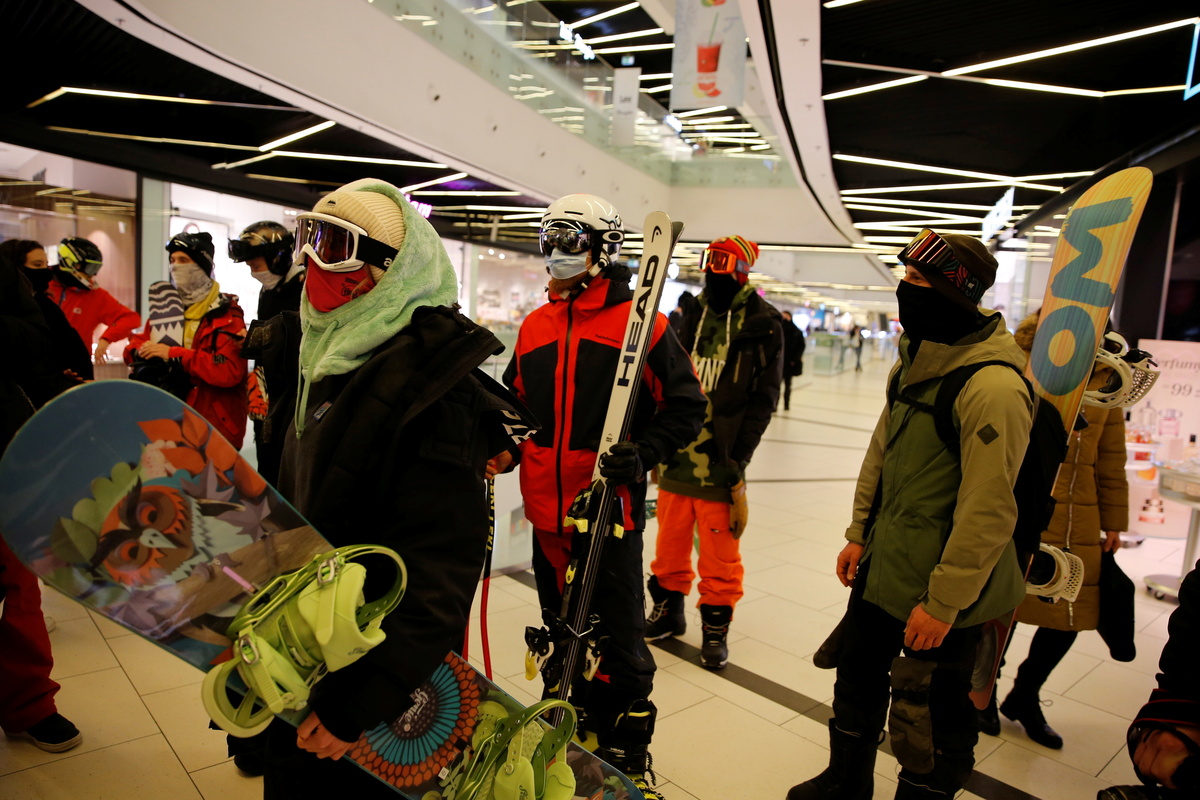
Gyms face a similar dilemma, with the Polish Fitness Federation arguing the existing restrictions in Poland were confusing to begin with and therefore easy to get around.
"If the law is weird, sometimes in a funny way, sometimes in a way that is unclear, and we are able to operate within it, then we will," said federation head Tomasz Napiorkowski.
He said that the federation would seek compensation from the government for losses sustained and that many gyms will choose to continue to operate with health precautions in place.
Sebastian Twardowski, 27, wanted to make a point of eating at Qlturalni Qlinarni on Monday, arguing that restaurants needed all the help they could get and that he felt totally safe amid measures taken by Adamski to ensure cleanliness and distancing.
"Here, the tables are far away from each other, everything is taken care of from a sanitary perspective," Twardowski told Reuters.
"I think I'm more scared of going to the store than to a restaurant."
(Reporting by Joanna Plucinska and Kuba Stezycki)