In the shiny world of large-scale charity efforts, they have often been viewed as high-stakes contests for image branding and elaborate publicity stunts. There is nothing more familiar than the old-school approach: the rock star holds a glamorous benefit gala, the tech mogul writes one big cheque for a massive concert in an indoor stadium, or the foundation announces a splashy, but temporary project aimed at generating instantaneous buzz on social media.
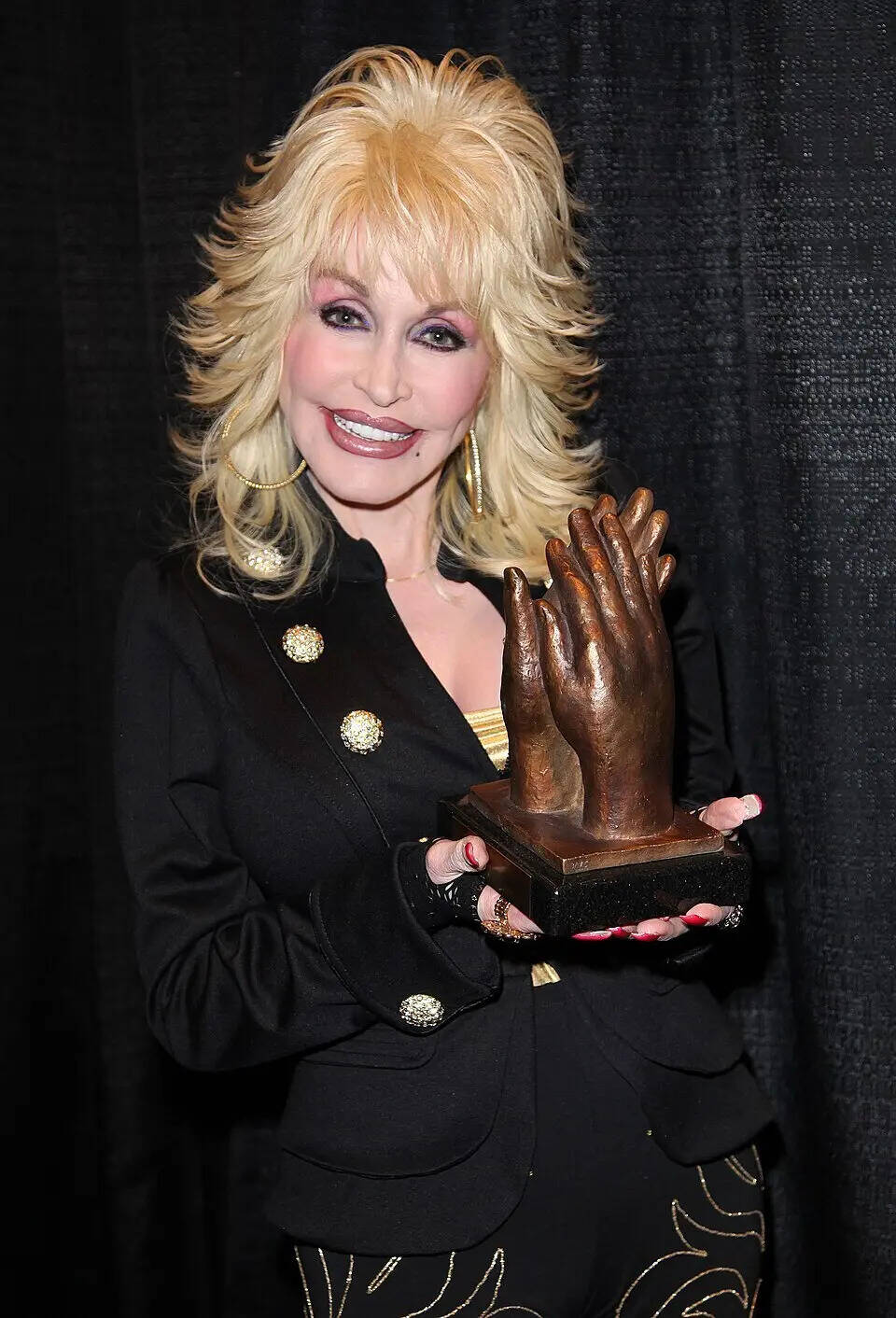
But a true social movement subverts this entire idea by placing all of its energy on the mundanities of repetition in the routine. Social change on a truly grass-roots level doesn't come about over one weekend. Still, it does when one systematically destroys the economic obstacles that keep families from moving forward in their own homes. Dolly Parton revolutionised traditional celebrity giving when she moved beyond public relations events to create the Imagination Library, a process that integrates her funding into the regular cycle of mailing a child one new free book per month until they turn five years old.
Disrupting childhood literacy gaps through low-effort home delivery
A deficit in early childhood education is not a lack of affection or parental desire but one of resource allocation. When the finest books are seen as a luxury, children from disadvantaged areas begin their academic journey with a huge handicap. It's about making the proper resources readily available for free long before they enter a public-school classroom.
According to a press release by the New York State Education Department, public institutions have increasingly stepped in to treat this monthly book-delivery model as vital public infrastructure. The published data highlights that instead of acting as a temporary, symbolic charity project, the program functions as a highly scalable, community-based literacy asset. By coordinating public funding to expand these mailing networks across entire states, government agencies have recognised that placing printed books directly onto the kitchen tables of diverse families is one of the most practical, repeatable methods to stimulate early language growth and establish healthy reading habits across all zip codes.
In addition to that, according to empirical tracking published in the journal Innovating Counseling for Self- and Career Construction , the unique structure of philanthropy is an example of a highly calculated and well-thought-out system design. It is noted that the enormous global reach of the project, which anonymously spread over 300 million books across the globe, is achieved through the focus on the child receiving the book and the emphasis on establishing strong connections within communities. In this way, the focus is maintained fully on the dynamic connection between the book itself, the kid, and the caregiver. Thus, a huge personal wealth turns into a decentralised force that builds public capacity.

Creating a family routine for sustained educational momentum
Through its emphasis on the physical circulation of books rather than complicated seminars, the project was specifically designed to work within the real-life constraints faced by most families.
Whereas the common public discourse often judges high-net-worth donations solely based on their size through one press release, the real importance of the donation is found in the subtle consistency behind it. As the process selected involves a frictionless mailing system that institutional delays will never hamper, the initiative provides an opportunity for a child to look forward to reading every single month. Having a book at hand in your bedroom is a tangible way of learning, something that apps can never replace.
Social change on a long-term basis can never be engineered out of a rigid and restrictive gift that is bound to be tightly controlled by corporate oversight. Instead, social change has to be developed incrementally based on entrusting the family and community with the proper means. In the case where modern philanthropy takes into consideration the needs of the human body, rather than the needs of corporate icons, the pressure is taken off of early childhood development programs that have been under-resourced. The philosophy of choosing a human need and addressing it financially produces an effect akin to an intellectual engine of ideas.