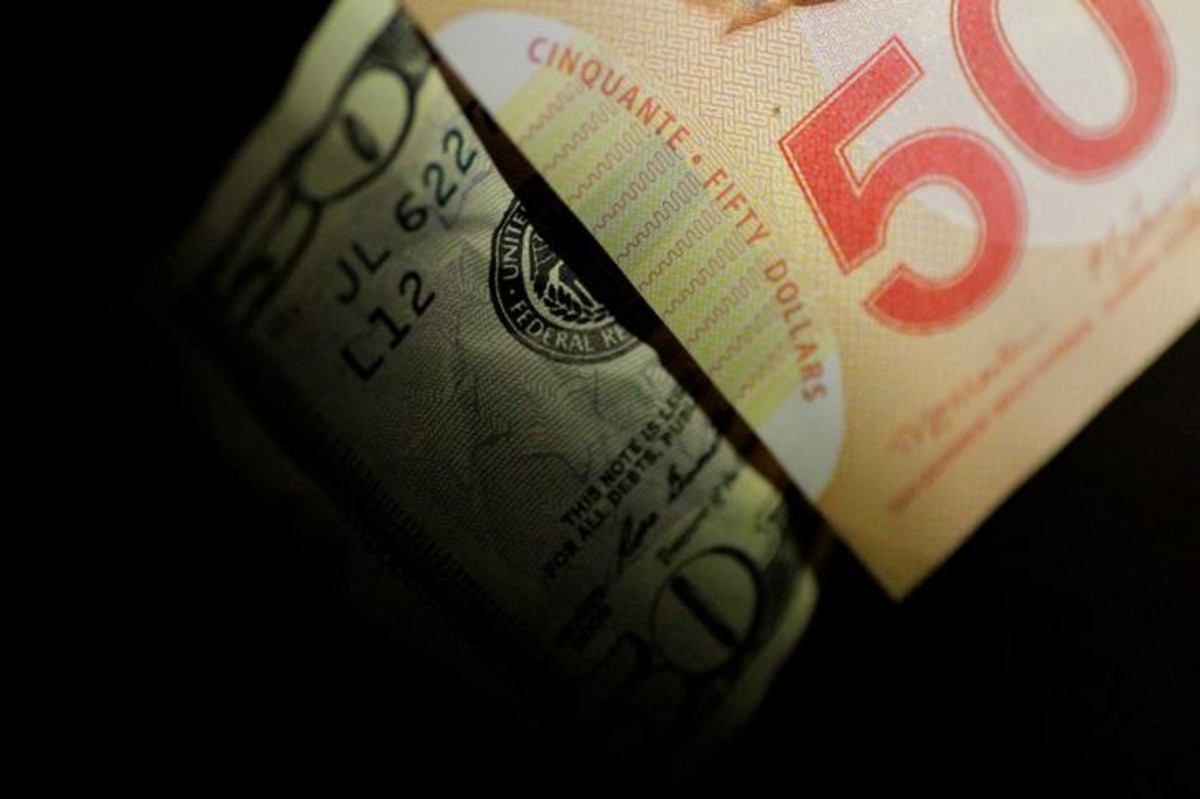
NEW YORK (Reuters) - The dollar fell to a one-week low on Tuesday against a basket of currencies as traders piled back into riskier currencies after an agreement between North and South Korea to hold direct talks.
The greenback had already been weakening on worries about a trade war due to U.S. President Donald Trump's proposed tariffs last week on imported steel and aluminium.
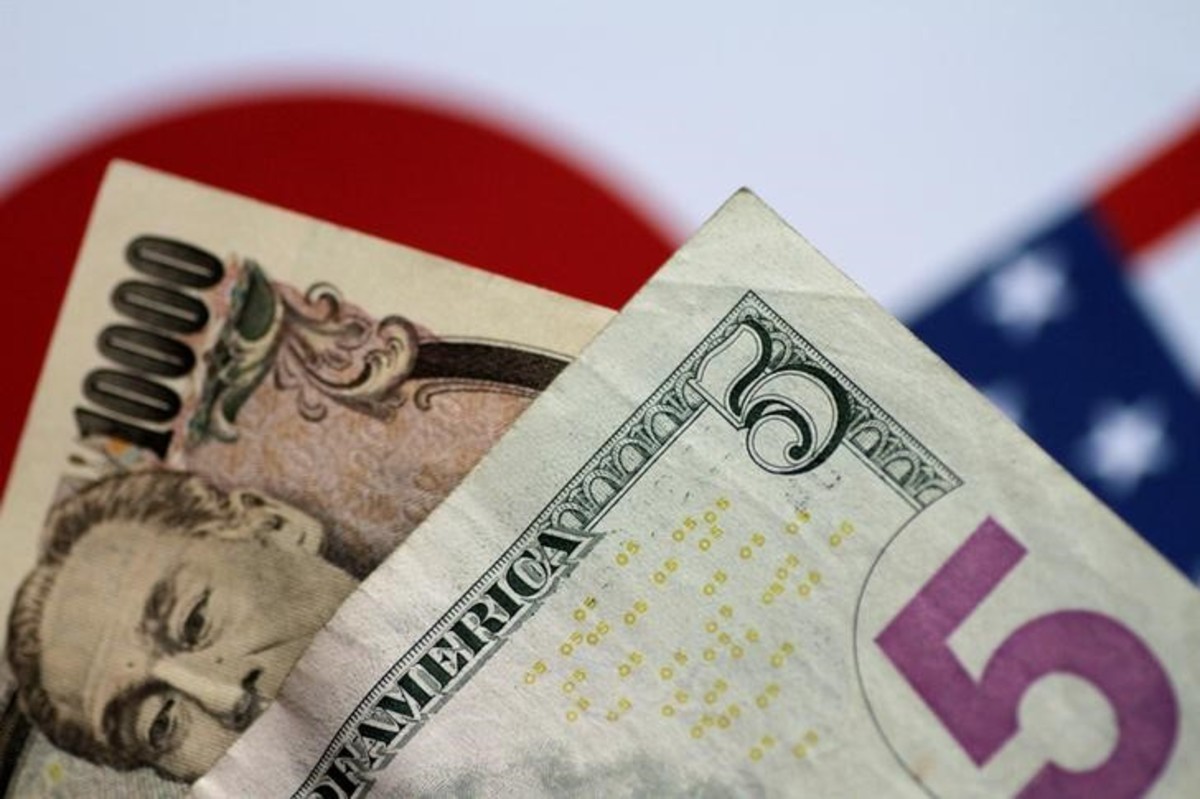
The dollar, seen as a safe-haven against risk in recent months, fell further after news of the North and South Korea talks as investors bought the Australian and New Zealand dollars and emerging market currencies.
"It's too early to wholeheartedly buy these currencies because of the chances of escalating trade tension between U.S. and its trading partners," said Omer Esiner, chief market analyst at Commonwealth Foreign Exchange in Washington.
North and South Korea, still technically at war but enjoying easing tension since the Winter Olympics in the South last month, will hold their first summit in more than a decade next month, South Korea said on Tuesday.
It also said North Korea is willing to hold talks with the United States on denuclearization and will suspend nuclear tests while those talks are underway. Trump said he saw "possible progress" but warned of "false hope" in these efforts
This offset worries about Trump's proposed levies, which have prompted protests from U.S. trading partners. Trump's fellow Republican lawmakers stepped up their calls for a pullback from the tariffs.
The dollar fell 0.458 points or 0.51 percent, against a group of currencies <.DXY> to 89.622.
It also touched its weakest level against the South Korean won <KRW=> since Jan. 25. It was last down 1.39 percent, at 1,061.69 won, putting it on track for its biggest one-day loss versus the won in almost a year.
Among higher-yielding currencies, the New Zealand dollar was up as much as 1.2 percent on the day <NZD=D4> and the Aussie <AUD=D4> up more than 1 percent.
Against the yen, the dollar had slipped as low as 105.86 yen <JPY=>, not far from the 16-month low it reached late last week on Trump's proposed tariffs. The yen was last up 0.03 percent, at 106.22 yen.
The euro <EUR=> rebounded to a two-week high of $1.2414 on Tuesday after a selloff on Monday following elections in Italy and Germany.
Traders await for clues on monetary policies after the European Central Bank and Bank of Japan policy-makers meet on Thursday and Friday.
"The strength of the euro is starting to put pressure on the euro zone economy. This is putting pressure on the ECB," said Jack McIntyre, portfolio manager at Brandywine Global in Philadelphia.
(Additional reporting by Jemima Kelly in London; Editing by Larry King and Tom Brown)