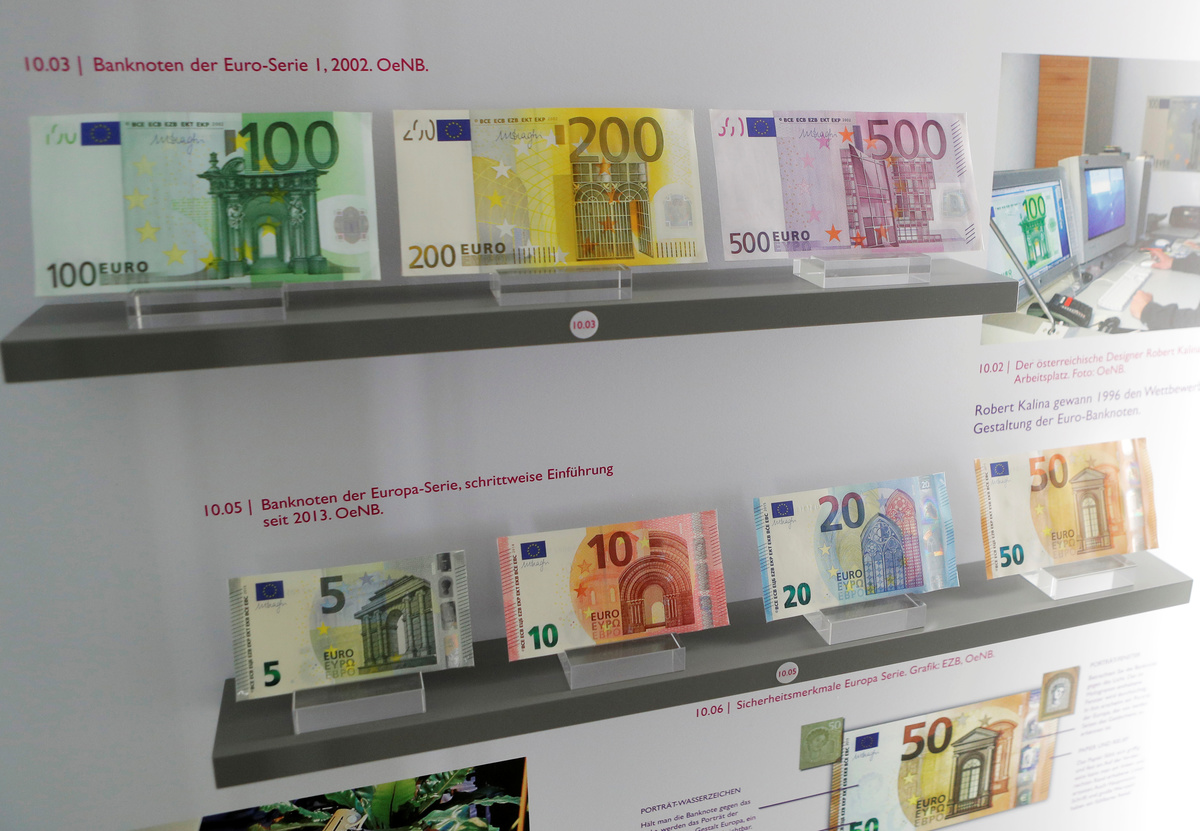
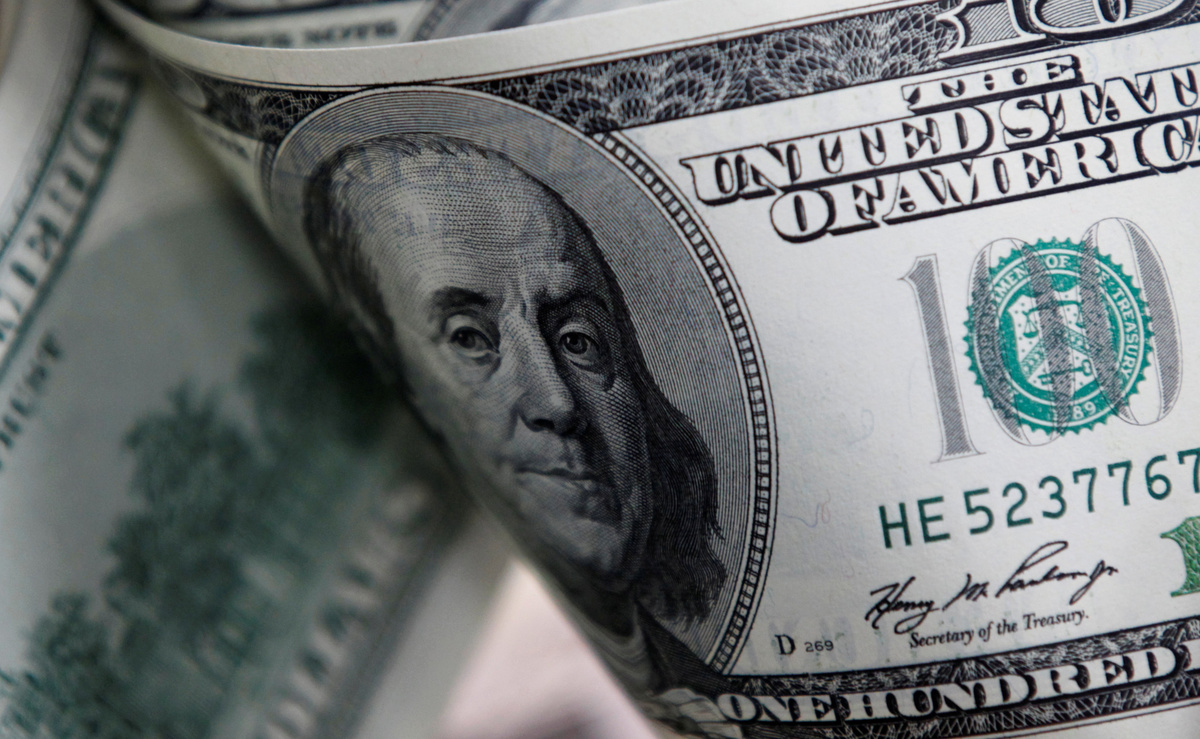
NEW YORK (Reuters) - The euro fell to more than two-year lows against the U.S. dollar on Friday as a weak growth outlook weighed on the single currency, though it rebounded after testing technical support levels.
Dismal business activity data from the euro area, especially powerhouse economy Germany, has pushed European bond yields lower across the board this week, with further pressure coming from concern over economic weakness in Britain.
"We have had a steady drip of weak data from the eurozone this week and that is highlighting the differences between the U.S. and Europe," said Commerzbank analyst Thu Lan Nguyen, adding that the United States is still showing signs of strength.
Negative interest rates, quantitative easing and other attempts by the European Central Bank (ECB) to stimulate the eurozone economy are also making investment in U.S. government debt more attractive and boosting the greenback against the euro.
“The more recent drift lower in the euro seems to be perpetuated by the continued grind lower in growth expectations, and certainly in realized growth in the eurozone," said Mazen Issa, senior FX strategist at TD Securities in New York.
Further ECB stimulus, negative rates and bond buying are also exerting a pull on the euro, he added.
The euro <EUR=> dropped as low as $1.0903 -- its lowest since May 2017 -- in overnight trading before rising back to $1.0929.
The single currency has technical support around $1.0925, which could provide a floor for the time being.
“We did break below that briefly yesterday, but that was late trading in New York, and so I think there is going to be quite a bit of hesitance to try to push it below that on a sustainable basis,” Issa said, noting that quarter-end rebalancing is also limiting risk taking.
Sterling <GBP=> was the other big loser after Bank of England policymaker Michael Saunders hinted at looser monetary policy if Brexit uncertainty remained prolonged against a backdrop of disappointing global growth.
The pound weakened to a two-week low of $1.2269 on Friday as his comments raised expectations that the next move from the central bank could be a rate cut.
The currency later rose back to $1.2318.
(Additional reporting by Saikat Chatterjee in London; Editing by David Goodman)