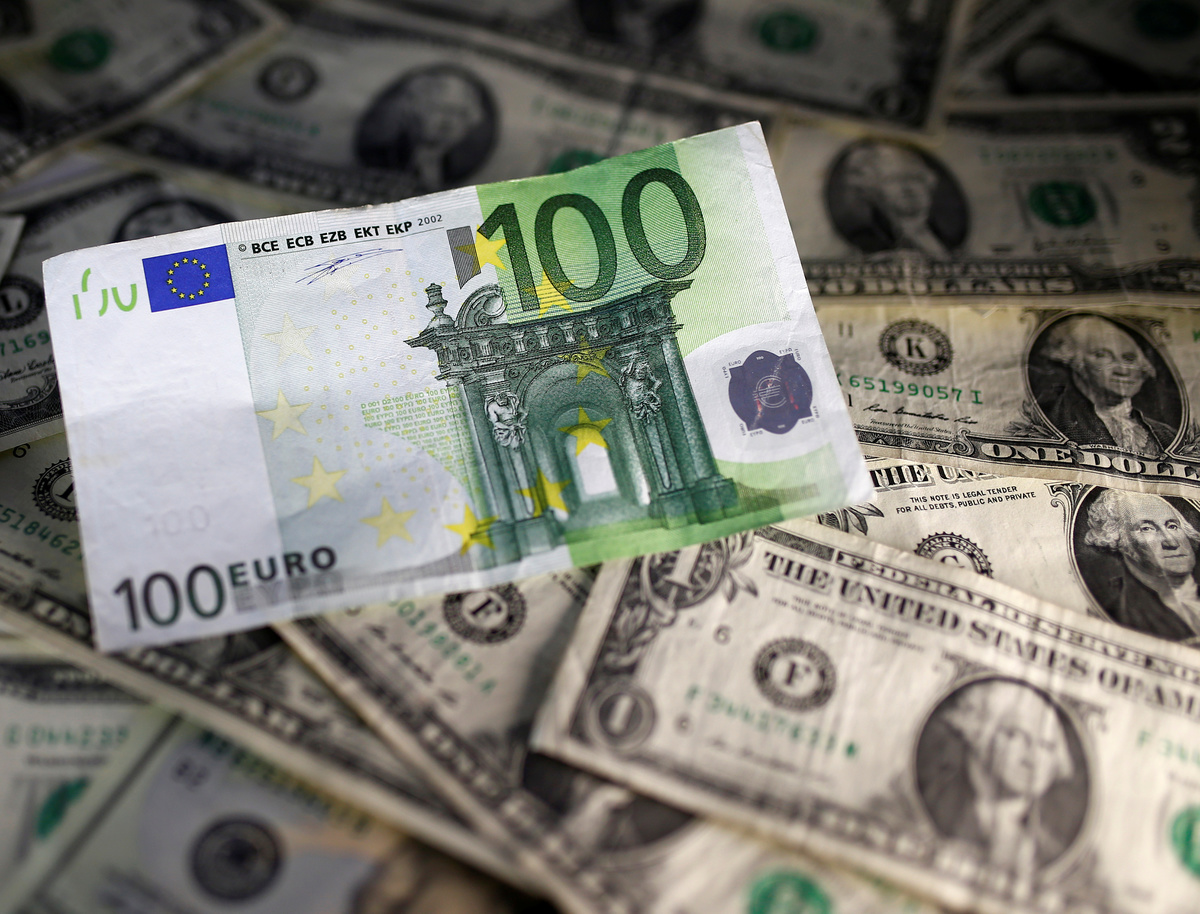
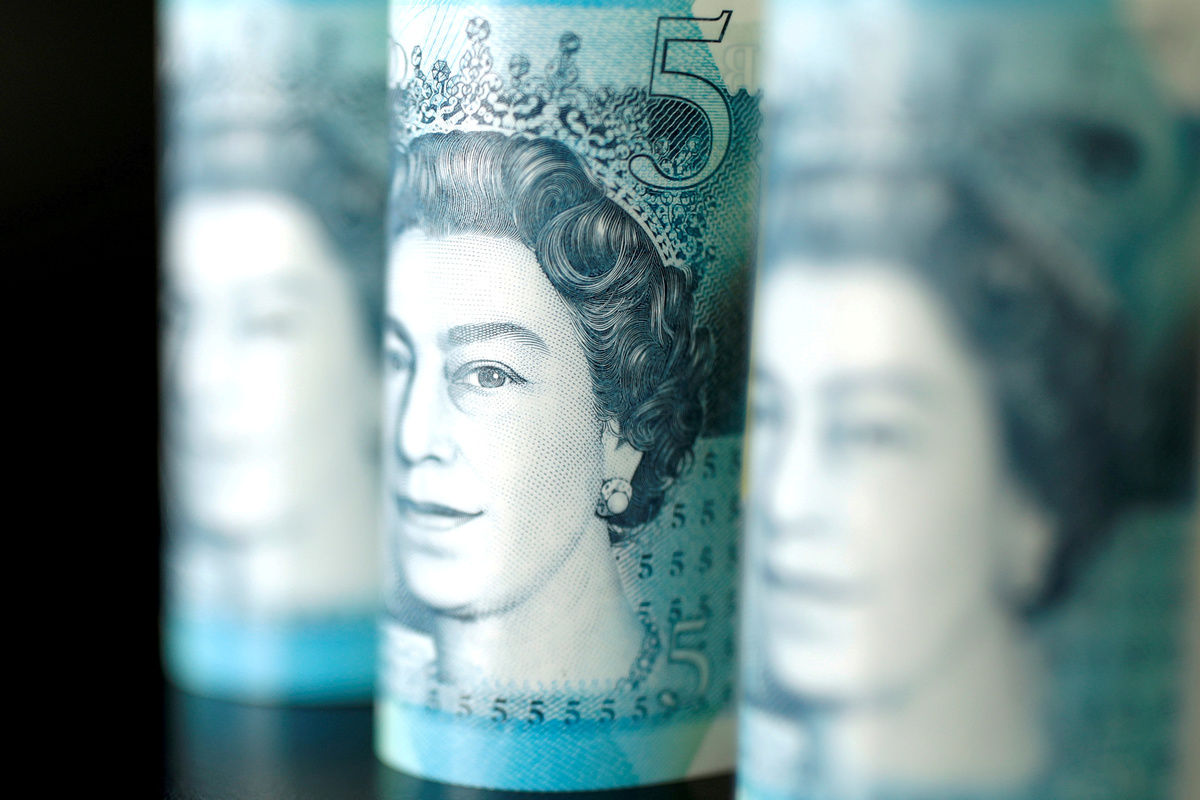
NEW YORK (Reuters) - Sterling rebounded from the day's lows against the U.S. dollar, rallying more than a cent to above $1.28 after British lawmakers voted down Prime Minister Theresa May's deal to leave the European Union by a crushing margin.
While the outcome may trigger political upheaval that could lead to a disorderly exit from the EU, the British currency rallied on expectations that the scale of the defeat might force lawmakers to pursue other options.
"I think the market's take on (this defeat) is that it ups the probability of a soft Brexit ultimately evolving after a no-confidence vote," said Alan Ruskin, global head of currency strategy at Deutsche Bank in New York.
Parliament voted 432-202 against May's deal, the worst defeat for a government in recent British history. Scores of her own lawmakers - both Brexit supporters and detractors - joined forces to vote down the deal.
The pound, which was down as much as 1.2 percent before the outcome of the vote, briefly extended losses to fall 1.5 percent before rebounding sharply to stand down 0.1 percent on the day at $1.286. The U.S. dollar index <.DXY> fell in step with the pound, after rising earlier in the day on data that showed Germany's economy slowed in 2018.
Against the euro <EURGBP=>, the pound was up half a percent at 88.7 pence.
The rejection of May's deal nevertheless bid up the euro, which strengthened to $1.141 <EUR=> after a bruising day, which saw the single currency drop to a five-day low after the German government reported that growth in the country's economy slowed to 1.5 percent in 2018. That was the slowest rate of GDP growth in Europe's largest economy in five years.
Analysts said that while the German economic figures were in line with expectations, the gloomy picture added to growing doubts about whether the European Central Bank will raise interest rates at all in 2019.
(GRAPHIC: German GDP grows at weakest rate in 5 year - https://tmsnrt.rs/2RPZTdg)
The dollar index <.DXY> remained stronger on the day despite a U.S. Labor Department report that producer prices fell in December by the most in more than two years, the latest sign of tame U.S. inflation.
Although the U.S. government shutdown continued, "the impact is still too difficult to measure, especially in foreign exchange terms," said Shahab Jalinoos, head of foreign exchange strategy at Credit Suisse in New York.
(Reporting by Kate Duguid and Tom Finn; Editing by David Gregorio and Susan Thomas)