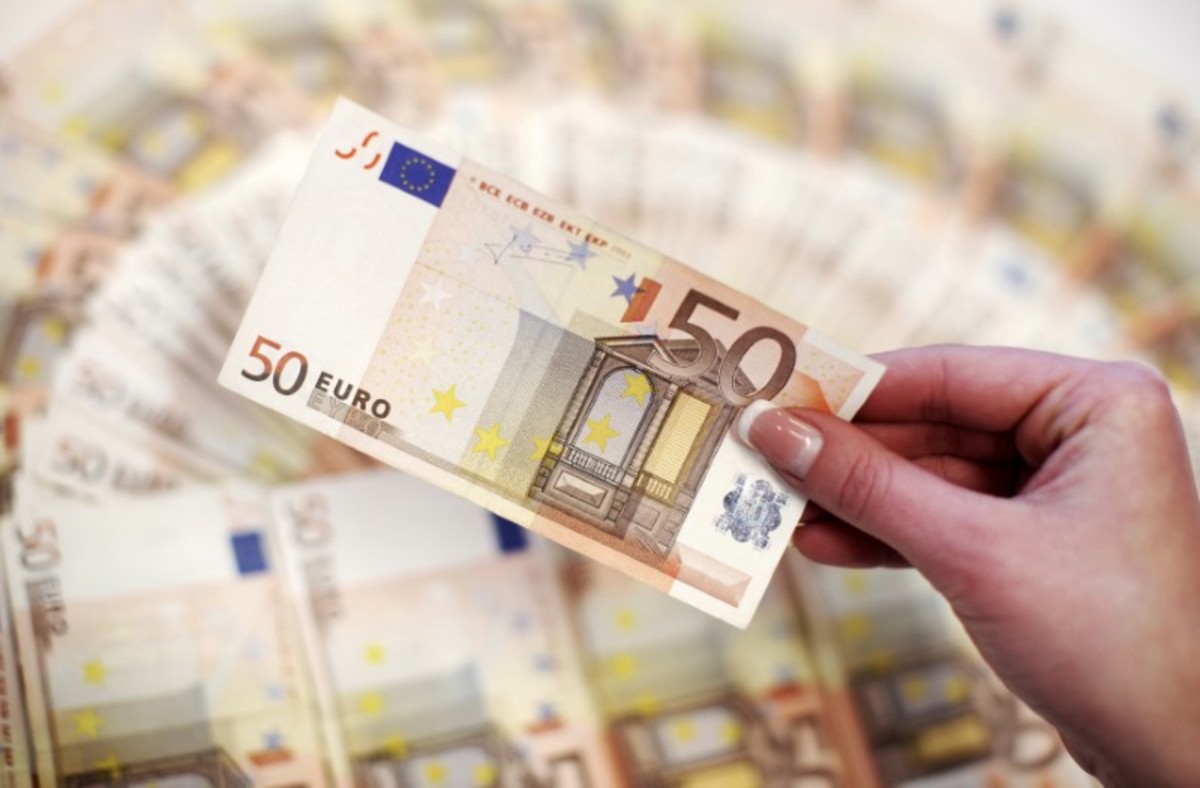
NEW YORK (Reuters) - The euro climbed to the highest in nearly a week on Thursday as U.S. Treasury yields fell, pulling back from a two-year high, with the euro rebounding from losses earlier in the week ahead of a policy meeting of the European Central Bank.
Investors shrugged off political uncertainty emerging from Spain before the ECB meeting, where policymakers are expected to reveal plans to unwind their multi-year stimulus.
The single currency <EUR=> rose to $1.1857, its highest since last Friday.
"With nothing really here to trade off of today when it comes to the euro, the market may be looking ahead to next week’s ECB meeting," said Jeff Scott, senior currency specialist at OFX in Toronto.
He added that "we’re starting to see some inflationary pressures move into the euro zone."
The European Central Bank will likely say on Oct. 26 that it will start trimming its monthly asset purchases to 40 billion euros from 60 billion euros in January, according to a Reuters poll of economists.
The euro briefly waned against the dollar after the release of U.S. jobless claims data, which showed the lowest reading in 44 years, and a record high reading on the Philadelphia Fed Business Index.
"The Catalonia thing is priced in now unless it blows up really badly and people seem to be happy going long euros before the ECB meeting next week," aid John Marley, head of FX strategy at Infinity international, a currency risk management firm.
Spain's central government said on Thursday it would suspend Catalonia's autonomy and impose direct rule after the region's leader threatened to go ahead with a formal declaration of independence if Madrid refused to hold talks.
The dollar briefly rose to a 13-day high against the Japanese yen <JPY=> in overnight trading, before reversing course. It was last down 0.25 percent to 112.67 yen.
The New Zealand dollar was the big mover among major currencies, with the kiwi sinking nearly 2 percent against the greenback, its biggest drop in nearly a year, after a surprise election victory for the country's Labour party.
"The market doesn’t like either piece," said Marc Chandler, chief global currency strategist at Brown Brothers Harriman & Co. "It doesn’t like Labour, it doesn’t like the anti-immigration, protectionist views of the New Zealand First party and it’s a change in the status quo."
(Reporting by Dion Rabouin; Editing by Bernadette Baum and Dan Grebler)