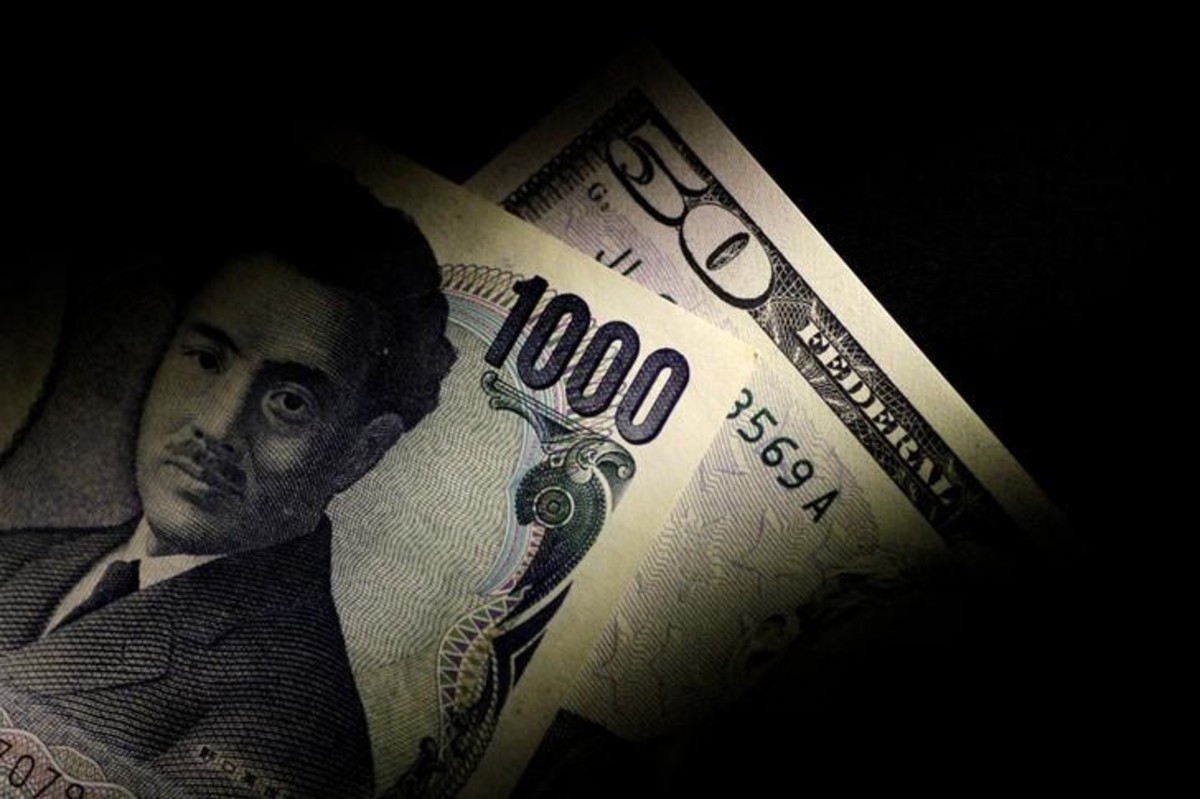
NEW YORK (Reuters) - The U.S. dollar fell to a more than one-week low against the yen on Friday, undermined by speculation that more top Trump administration officials could be replaced and concerns U.S. trade tariffs could hurt the global economy.
These U.S.-centric factors have rattled markets in recent days, pushing the dollar lower and leaving the yen as the main beneficiary.
U.S. President Donald Trump has decided to replace his national security adviser, H.R. McMaster, the Washington Post reported on Thursday. At the same time, the New York Times reported U.S. Special Counsel Robert Mueller had issued a subpoena for documents related to Trump's businesses, including some concerning Russia.
Earlier this week, the U.S. currency took a hit after Trump dismissed Secretary of State Rex Tillerson as investors grew increasingly nervous about the direction U.S. policy might now take following a series of departures by key members of staff.
"There is a whiff of risk aversion about the markets," said Shaun Osborne, chief FX strategist at Scotiabank in Toronto.
"The reason for the caution in markets centres on the U.S. amid reports of yet more changes in senior White House personnel The focal point of speculation now is the head of the National Security Council."
Commerzbank said the yen also was boosted by domestic factors, particularly confusion about when and how the Bank of Japan could start to ease record levels of monetary stimulus as it tries to lift inflation. Analysts at the bank said the BoJ was "sounding indefinably hawkish."
Thu Lan Nguyen, a currency strategist at Commerzbank, said international concerns around U.S. politics and trade tariffs provided an "extra argument" for yen bulls, given the currency tends to do well in times of market uncertainty.
The dollar was trading 0.3 percent lower at 106.04 yen <JPY=> after falling as low as 105.61 yen, the lowest level since March 7.
The dollar index <.DXY> was little changed to slightly higher at 90.205. It has been on the defensive for much of the week amid the shake-up inside Trump's administration and as next week's Federal Reserve policy meeting comes into focus.
The euro fell 0.2 percent to $1.2282 <EUR=>, with little in the way to drive the single currency
It has struggled to make much headway since rallying in January and faced further headwinds after the European Central Bank last week cautioned investors not to expect a paring back of monetary stimulus any time soon.
(Reporting by Gertrude Chavez-Dreyfuss; Additional reporting by Tommy Wilkes in London; Editing by Paul Simao)