Get all your news in one place.
100’s of premium titles.
One app.
Start reading
Reuters
Reuters
Health

Dogs can detect heat with 'infrared sensor' in their nose, research finds

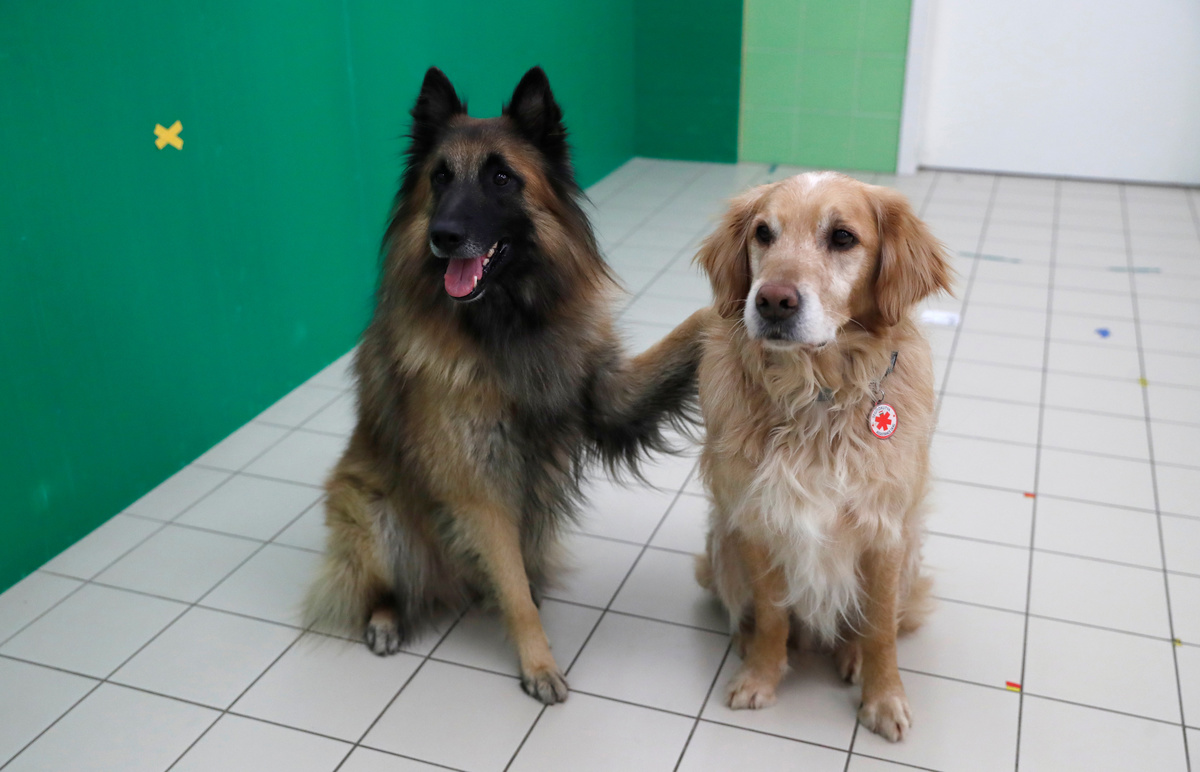
Kosza, the 2,5 year-old Belgian shepherd and Fuge, the 6 year-old golden retriever are seen before a test at the Ethology Department of the ELTE University in Budapest, Hungary, March 2, 2020. REUTERS/Bernadett Szabo

Dogs have a type of infrared sensor in the tip of their nose which enables them to detect minute changes in temperature such as when other animals are nearby, according to new research.

Scientists at Sweden's Lund University and Hungary's Eotvos Lorand University say the discovery can help better understand how predators detect their prey when other senses such as sight, hearing or smell are hindered.

In their study printed in Scientific Reports, a journal published by Nature Research, scientists found that the naked, wet skin surface at the tip of a dog's nose, which is full of nerve endings, worked as an infrared sensor.

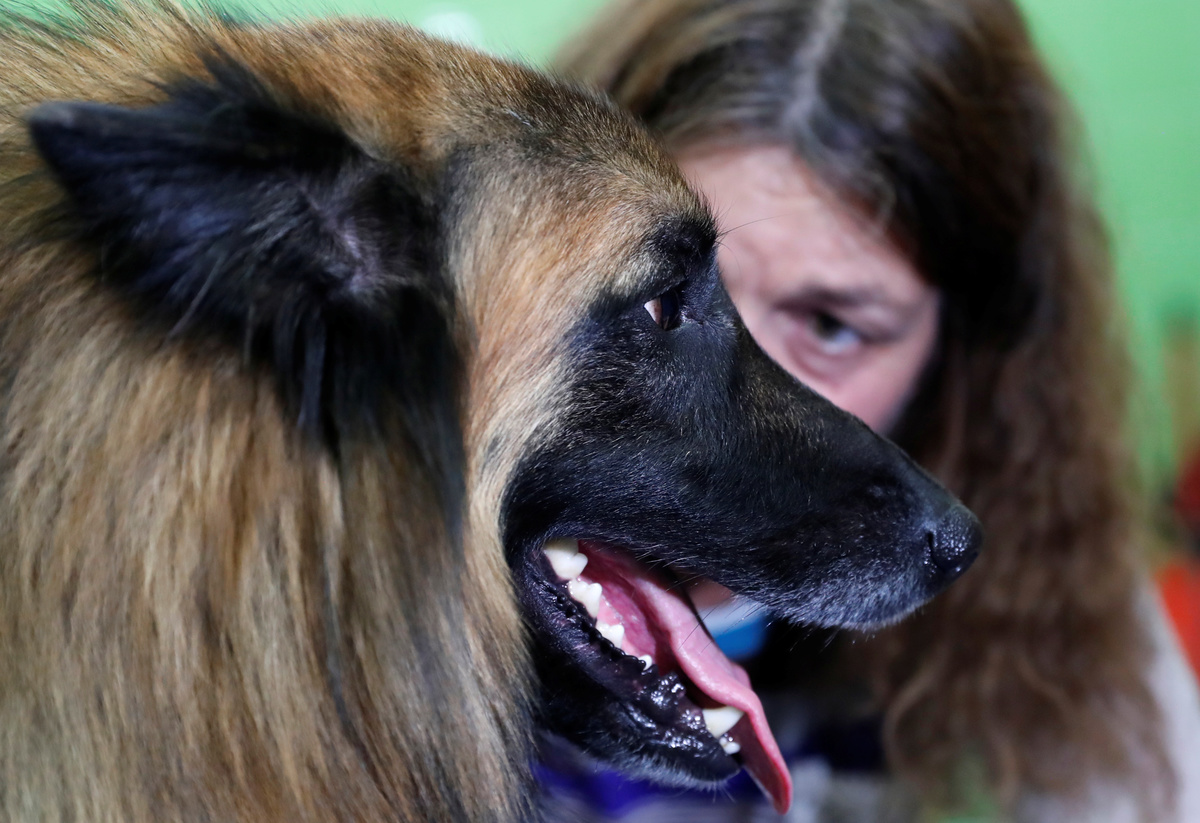
Kosza, the 2,5 year-old Belgian shepherd, is seen during a test at the Ethology Department of the ELTE University in Budapest, Hungary, March 2, 2020. REUTERS/Bernadett Szabo

"Dogs are able to sense the thermal radiation coming from warm bodies or weak thermal radiation and they can also direct their behavior according to this signal," said Anna Balint, lead author of the study.

"We tested whether we can find an area in the brain that shows higher activity if they are exposed to a warmer than to a colder object," she said.

Brain scans showed increased brain activity when dogs were shown objects that were warmer than their surroundings.
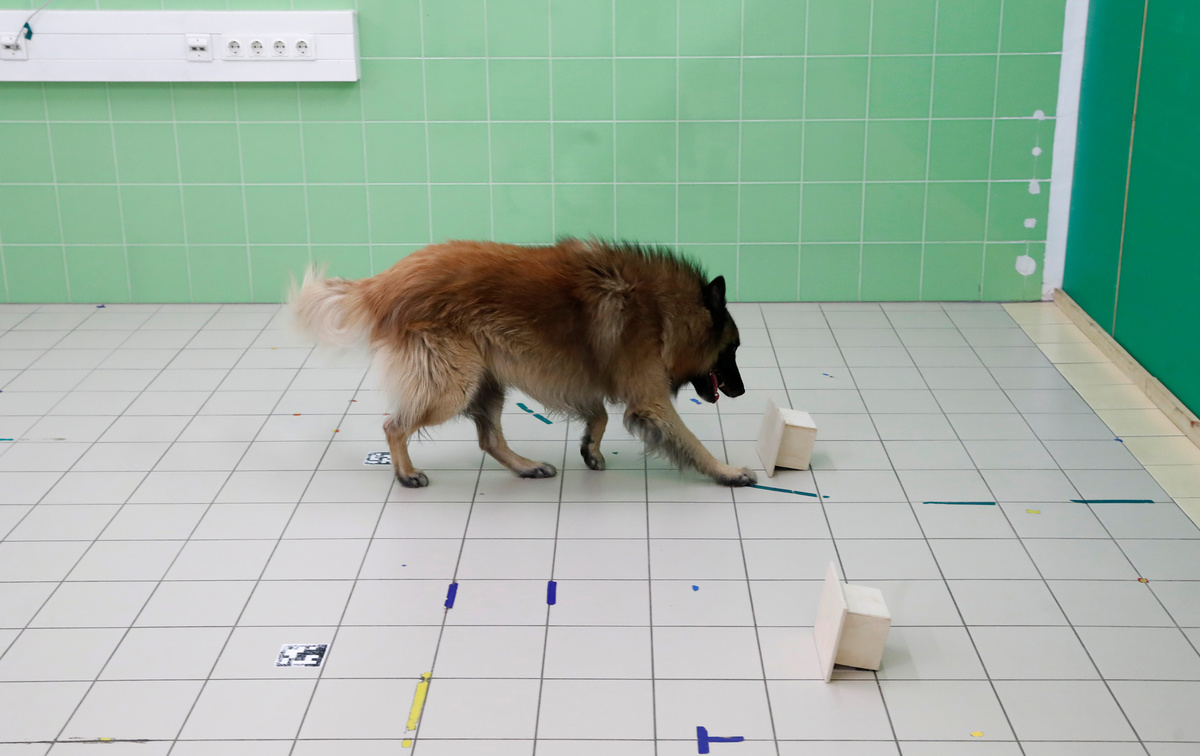
Kosza, the 2,5 year-old Belgian shepherd, is seen during a test at the Ethology Department of the ELTE University in Budapest, Hungary, March 2, 2020. REUTERS/Bernadett Szabo

"It is possible that other carnivorans possess a similar infrared sense and that adds a new chapter to the story of prey-predator relationships," said Ronald Kroger, a sensory scientist at Lund University.

"Predator hunting strategies have to be re-evaluated and the biology of prey animals has to be revisited with body heat sensing predators in mind," he added.

Among the dogs involved in the test were golden retrievers and border collies.
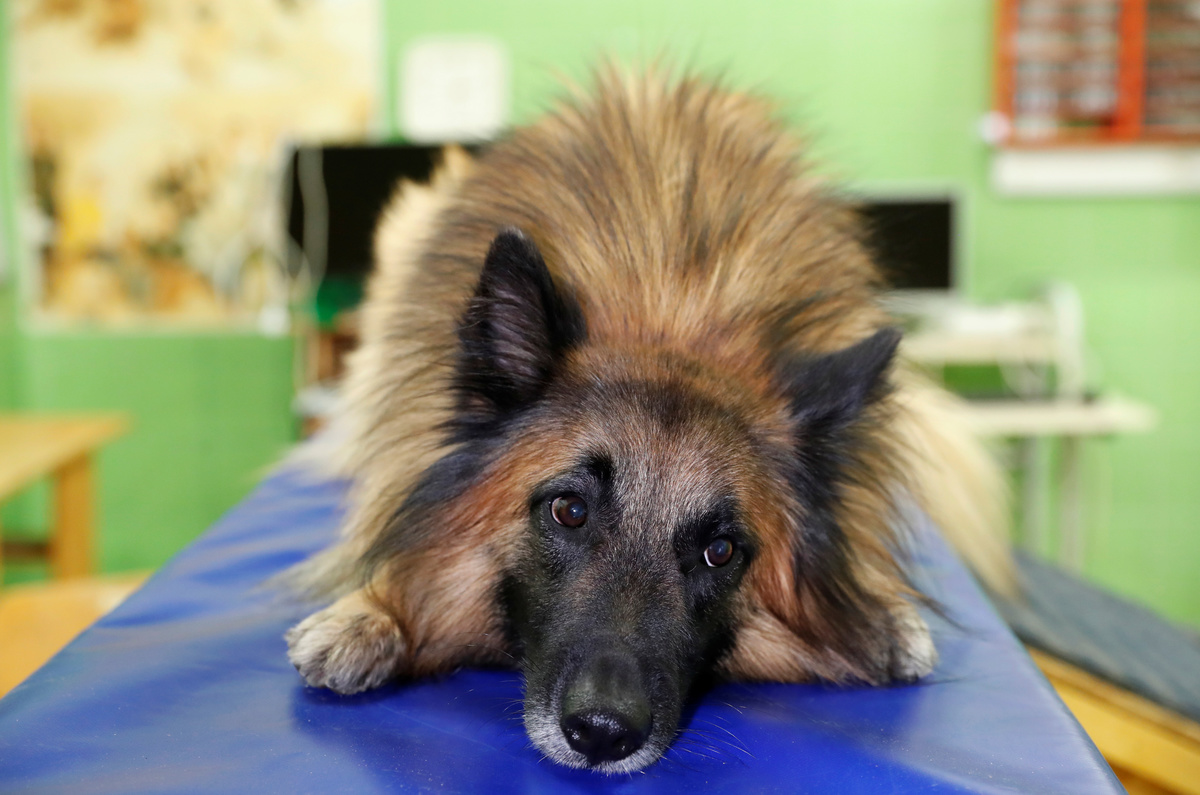
Kosza, the 2,5 year-old Belgian shepherd, is seen during a test at the Ethology Department of the ELTE University in Budapest, Hungary, March 2, 2020. REUTERS/Bernadett Szabo

(Reporting by Krisztina Fenyo; Writing by Gergely Szakacs; Editing by Alexandra Hudson)
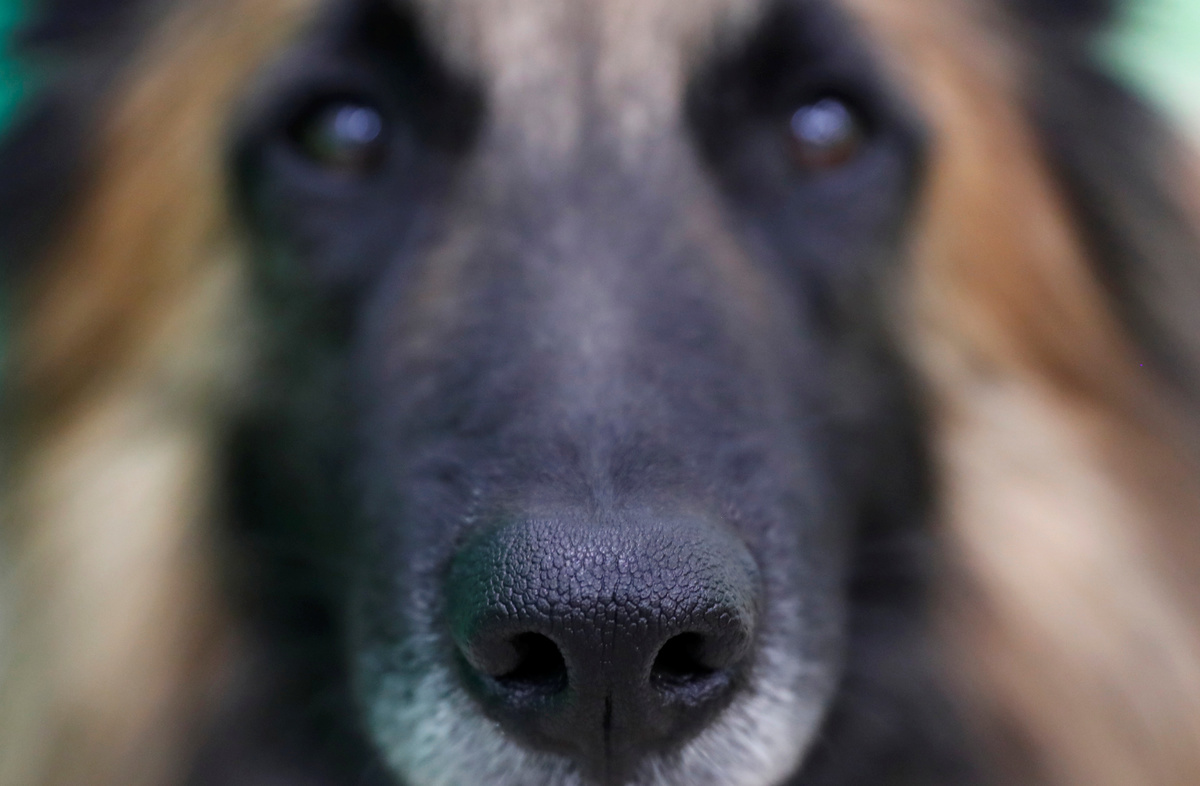
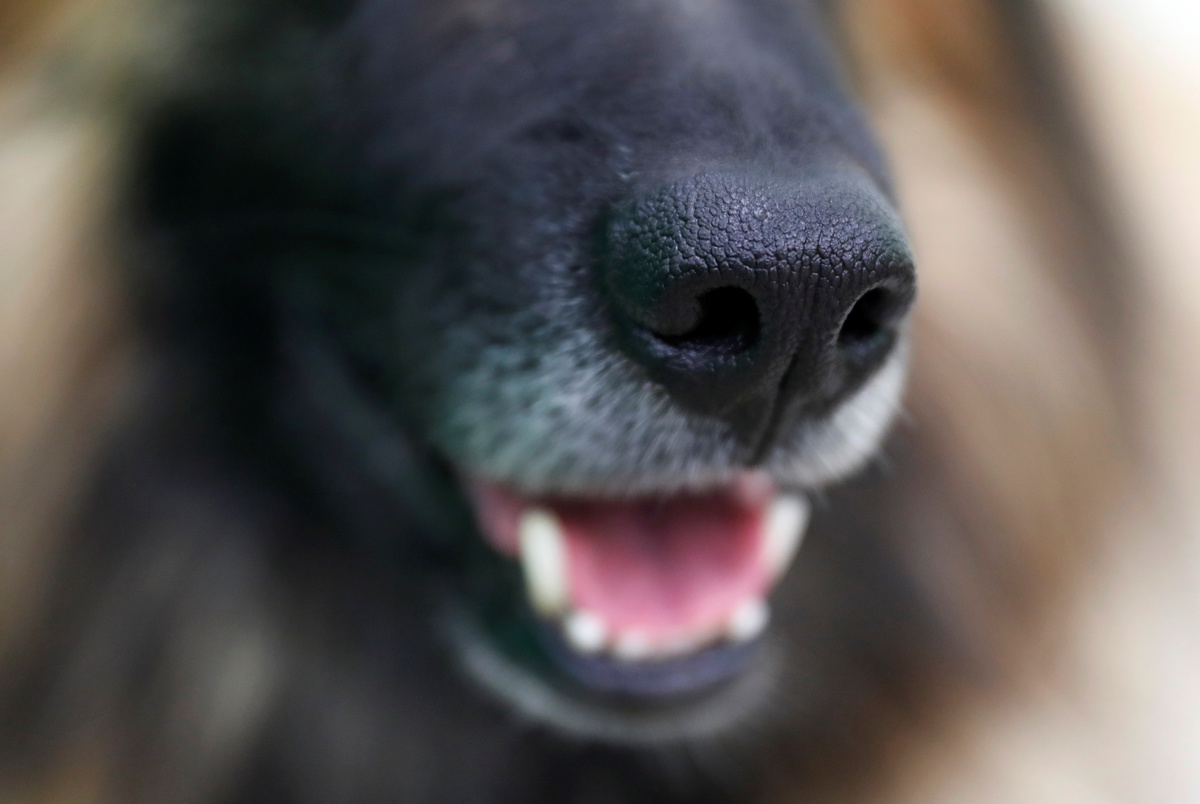
The nose of Kosza, the 2,5 year-old Belgian shepherd, is seen during a test at the Ethology Department of the ELTE University in Budapest, Hungary, March 2, 2020. REUTERS/Bernadett Szabo
The nose of Kosza, the 2,5 year-old Belgian shepherd, is seen during a test at the Ethology Department of the ELTE University in Budapest, Hungary, March 2, 2020.REUTERS/Bernadett Szabo
Kosza, the 2,5 year-old Belgian shepherd, is seen during a test at the Ethology Department of the ELTE University in Budapest, Hungary, March 2, 2020. REUTERS/Bernadett Szabo
Sign up to read this article
Read news from 100’s of titles, curated specifically for you.
Already a member? Sign in here
Related Stories
Top stories on inkl right now
Our Picks
Fourteen days free
Download the app
One app. One membership.
100+ trusted global sources.