
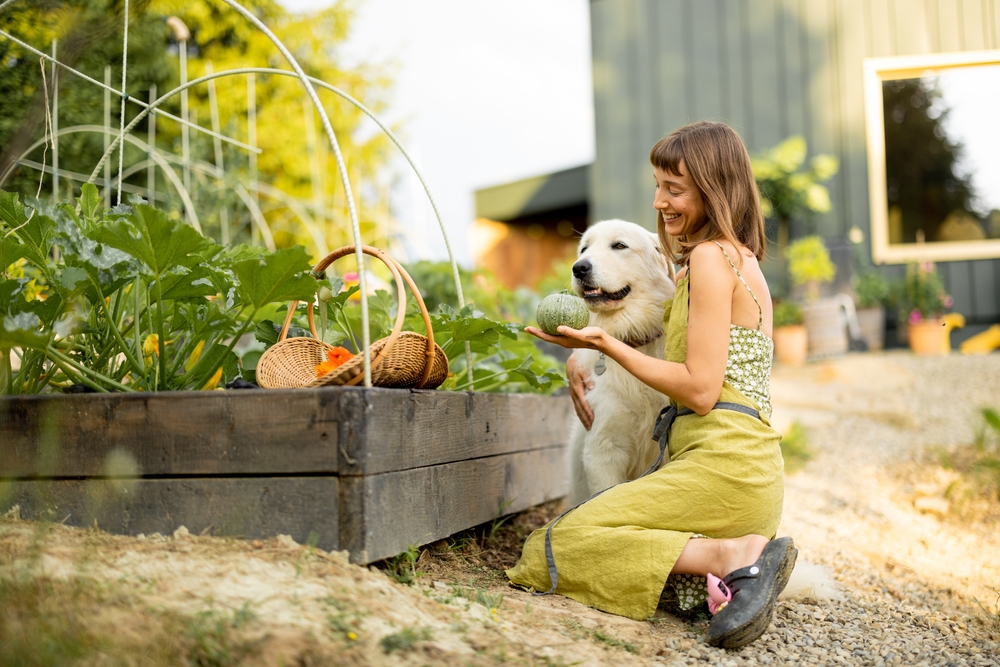
There’s nothing quite like the joy of watching your dog sprint across the yard, nose to the ground, tail wagging like a metronome. But that joy can turn into panic the moment you learn that something as ordinary as the mulch in your garden might not be as harmless as it looks. Dog owners have been startled to discover that certain mulches—yes, the same stuff you spread around your flower beds every spring—can pose risks to curious pups who sniff, chew, or taste everything in their path.
Some mulches are perfectly safe, while others require a little extra caution. And if you’ve ever had a dog who treats your yard like an all‑you‑can‑eat buffet, knowing the difference can save you a lot of stress.
Cocoa Mulch: The Most Talked‑About Culprit for a Reason
Cocoa mulch is the one that tends to make headlines, and for good reason. Made from cocoa bean shells, it has a rich brown color and a sweet, chocolate‑like smell that many gardeners love. Unfortunately, that same aroma can attract dogs, and cocoa products naturally contain compounds that can be harmful to pets if eaten in significant amounts.
Not every dog will be interested in cocoa mulch, and not every nibble leads to trouble, but the risk is real enough that many pet owners choose to avoid it altogether. If you’re drawn to its look, consider using a similar‑colored hardwood mulch instead. Your garden will still look great, and you’ll have peace of mind knowing your dog isn’t tempted by a chocolate‑scented snack.
Dyed Mulches: Pretty Colors, But What’s in the Dye?
Dyed mulches—especially the bright red or jet‑black varieties—are popular for their bold appearance. The dyes used in many commercial mulches are often considered safe, but the real concern is the wood underneath. Some dyed mulches are made from recycled wood, which can include construction debris or pallets that may have been treated with chemicals.
Dogs who chew on mulch made from unknown wood sources could ingest splinters or residues that irritate their stomach. If you love the look of dyed mulch, choose brands that clearly state they use untreated, natural wood. Many companies now label their products to help pet owners make informed choices.
Pine Straw: Beautiful, But Sharp Enough to Cause Trouble
Pine straw is a favorite thanks to its natural look and ability to keep weeds at bay. But while pine needles aren’t toxic, they can be sharp. Dogs who chew or swallow them may experience mouth irritation or digestive discomfort.
Most dogs ignore pine straw entirely, but if you have a pup who likes to sample yard materials like a sommelier, keep an eye out. Consider using pine bark nuggets instead—they offer a similar aesthetic without the needle‑related risks.
Cedar Mulch: Safe for Most Dogs, But Strongly Scented
Cedar mulch is often marketed as pest‑resistant and aromatic, which many homeowners love. The scent comes from natural oils in the wood, and while these oils aren’t typically harmful to dogs, some pets may be sensitive to strong smells. Dogs with respiratory issues or allergies may react to the aroma or dust.
If your dog seems bothered by cedar mulch, consider switching to a milder hardwood option. Every dog is different, and sometimes it’s just a matter of finding what works best for your household.
Compost Mulch: Great for Plants, Not Always Great for Dogs
Compost mulch is nutrient‑rich and fantastic for soil health, but it can contain decomposing materials that attract dogs. Some composts may include food scraps or organic matter that smells irresistible to curious pups. While compost itself isn’t inherently toxic, eating large amounts of decomposing material can upset a dog’s stomach.
If you use compost mulch, keep it well‑mixed and avoid spreading it in areas where your dog likes to dig. A layer of bark mulch on top can help reduce temptation.
Stone Mulch: Safe, But Hard on Paws and Teeth
Stone mulch is one of the safest options in terms of toxicity—it’s just rock. But it comes with its own challenges. Dogs who like to pick up stones can damage their teeth, and rough gravel can be uncomfortable for sensitive paws.
If you love the look of stone mulch, consider using it in areas your dog doesn’t frequent. It’s durable, low‑maintenance, and great for drainage, but not always ideal for play zones.
A Dog‑Safe Yard Starts With Awareness, Not Fear
Mulch doesn’t have to be scary, and you don’t need to overhaul your entire yard. The key is knowing what’s in your landscaping and paying attention to how your dog interacts with it. Most mulches are safe when used responsibly, and many dogs never show interest in them at all. But for the curious pups who treat the backyard like a tasting menu, a little awareness goes a long way.
What type of mulch do you use in your yard, and has your dog ever shown interest in it? Give all gardeners and animal lovers your tips in our comments section below.
You May Also Like…
The Mulch That’s Causing Seizures in Cats — And It’s Still Being Sold in Stores
The Mulch That’s Causing Mold Problems in Southern Homes
11 Ways to Stop Mice From Nesting in Mulch
Vets Warn: This Common Yard Plant Is Sending Pets to Emergency Clinics
11 Mistakes That Make Deer Treat Your Yard Like a Buffet
The post Dog Owners Shocked After Learning Their Mulch May Be Toxic appeared first on Frugal Gardening.