

As temperatures plummet in the winter, heating bills start to climb – and there are plenty of tips and tricks that promise to keep costs at bay. I've long held the belief that closing heating vents in certain rooms can save me money, but experts say it isn't quite as simple as it sounds.
If you spend most of your time in your living room, kitchen, and bedroom, it's only natural to assume that shutting off the heating in other parts of your home will lower your heating costs. According to HVAC technicians, however, closing vents can actually expend more energy – and cost you more in the long run.
Should You Close Heating Vents in Unused Rooms?
Until I spoke to HVAC experts, I assumed that closing heating vents in unused rooms would shrink my heating costs while keeping the rest of my home warm in winter. But since modern HVAC systems are engineered to balance the temperature throughout a property, closing vents in specific areas won't have the desired effect.
'Contrary to popular belief, closing vents in unused rooms is generally not helpful,' confirms TJ Laury, licensed HVAC technician and President of Ben's ProServ. 'Since modern HVAC systems are designed to distribute air evenly throughout the home based on square footage, closing a vent creates an imbalance, making your system actually work harder rather than saving money.'
It's worth noting that some HVAC systems work differently, and closing vents can be beneficial if your home is fitted with zoned technology.
'The only time in which closing vents can help is if you have a zoned HVAC system, meaning that you can strategically control the heat coming out of specific rooms,' says Eli Zimmer, CEO of Luxaire HVAC Services. 'In this case, you can shut off heat in some areas altogether, which would help reduce costs.'
Without a zoned system, however, closed vents will make your heating work overtime.
'You may think that closing vents will redirect heat through your other vents and save you money, but it doesn’t work like that,' says Eli. 'Your heating system will still try to pump heat through those closed vents, causing a build-up of pressure which can damage your system. Additionally, in order to keep your home at the temperature you’ve set it at, more heat will have to be pushed out, which will in turn increase energy use and costs.'
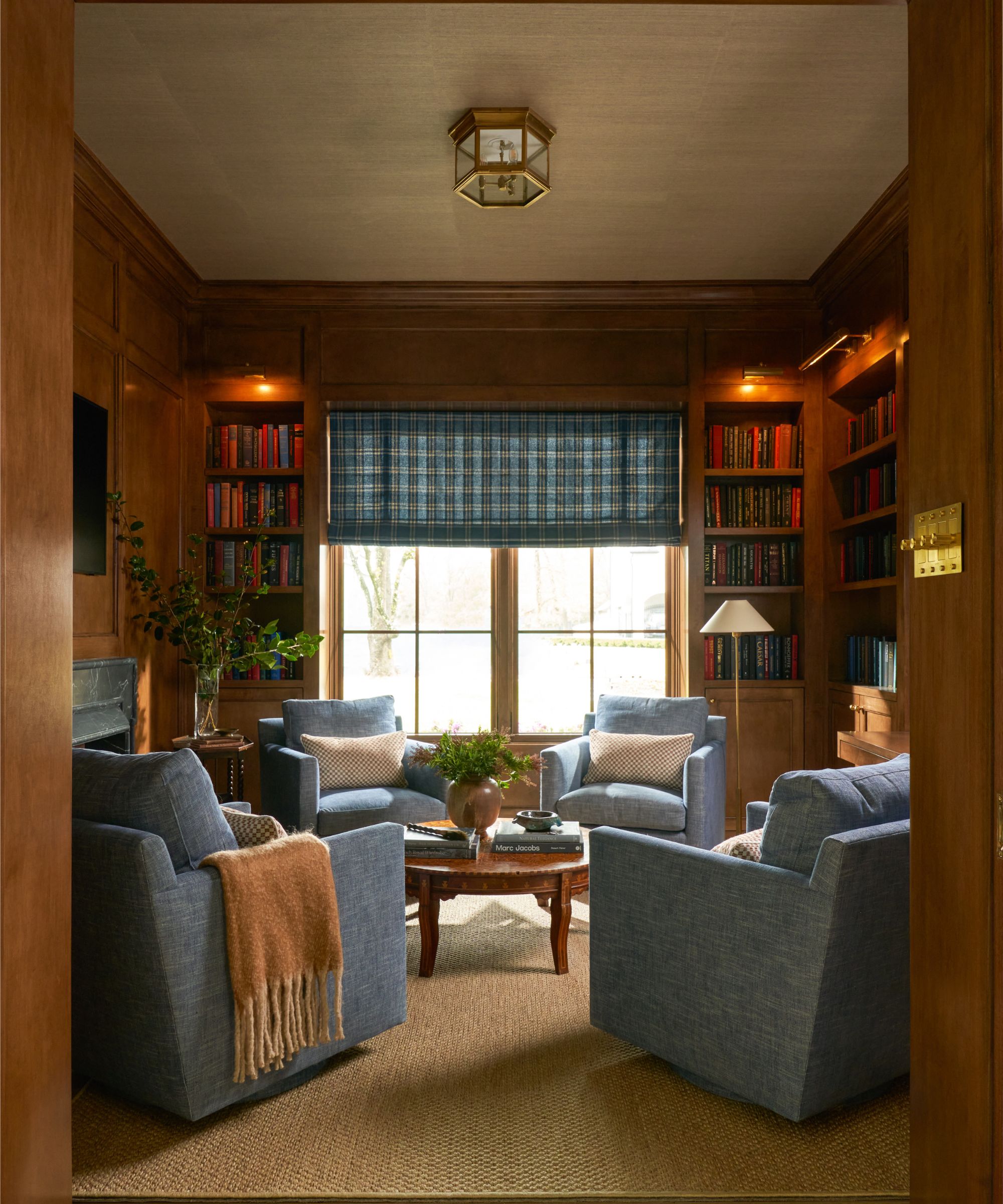
How to Reduce Heating Costs Without Closing Vents
If, like me, you're now wondering how to cut your energy bills without touching your heating vents, experts say that regular home maintenance is the key.
'The best ways to save on energy costs are pretty simple: stay on top of regular maintenance, use a programmable or smart thermostat, and seal air leaks around windows and doors,' says TJ. 'Lowering your thermostat by 3-5 degrees when you are sleeping or traveling can also make a noticeable difference in heating costs.'
What to Shop
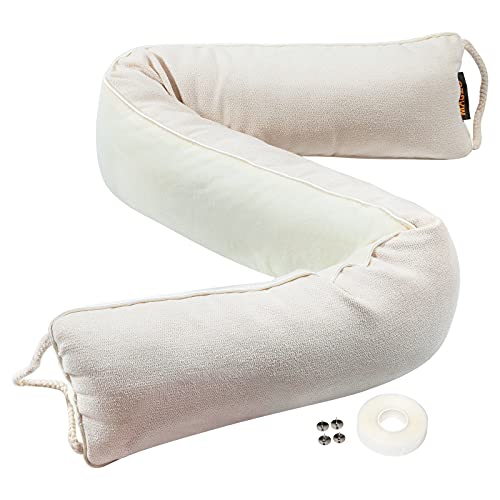
Filled with polyester wadding and glass beads, this dust-proof draft excluder will keep your home warm in winter and cool in summer. It's available in a variety of colors, and it's machine-washable too.
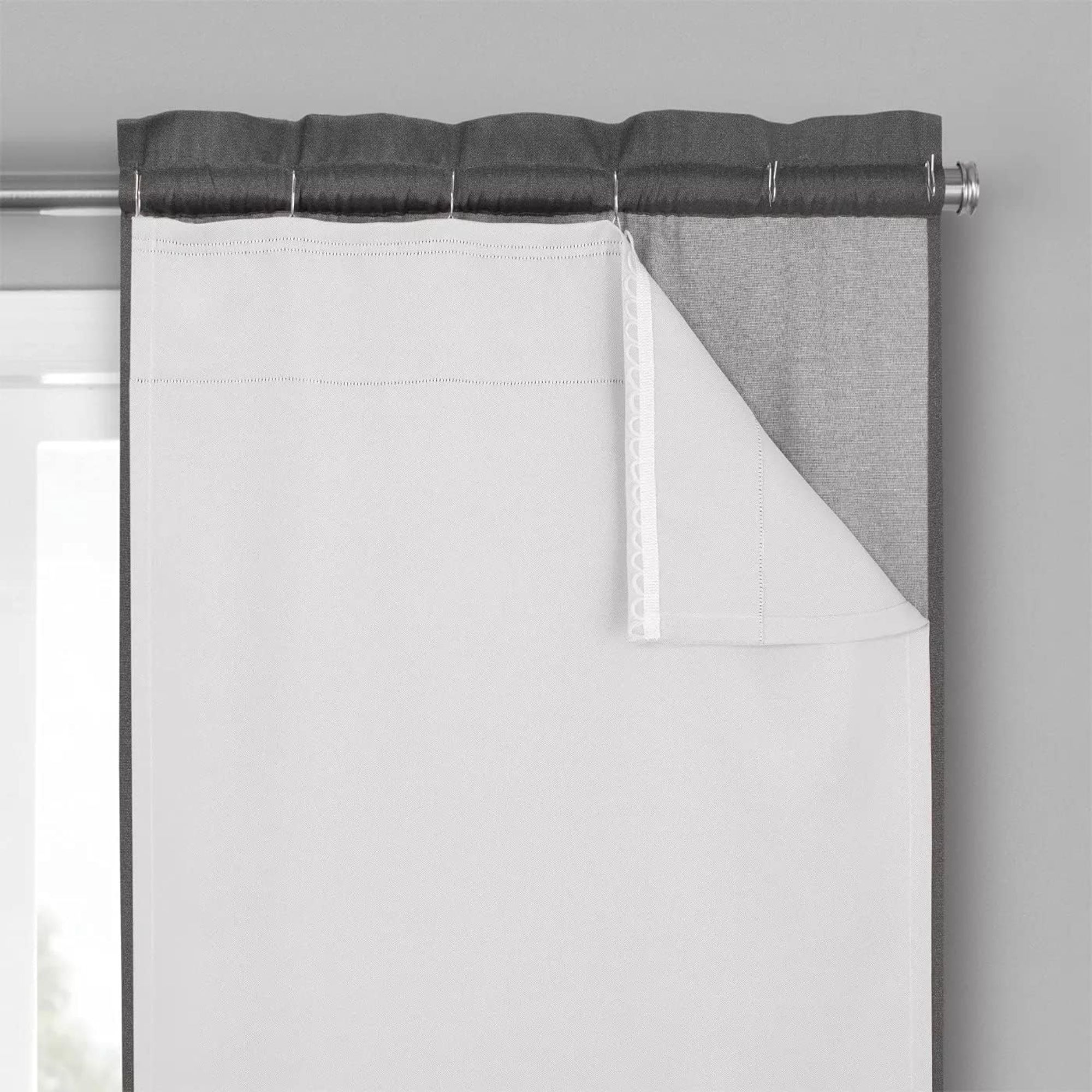
These polyester panels will block sunlight, reduce noise, and, crucially, insulate your windows – so you can keep heat in during the winter and maintain a cooler temperature during the summer.
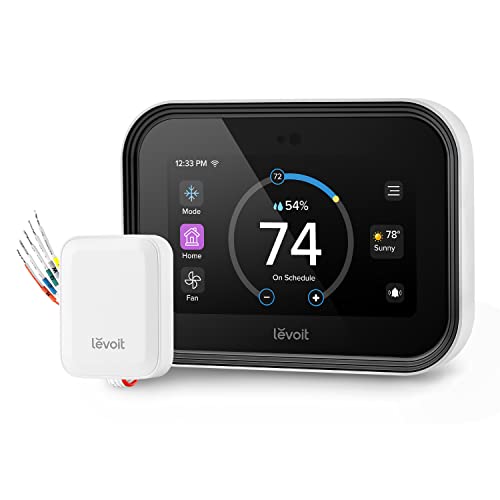
This smart thermostat allows you to control temperatures remotely, offering customizable routines that conserve energy while you’re away. It even provides daily energy reports to keep you on track.
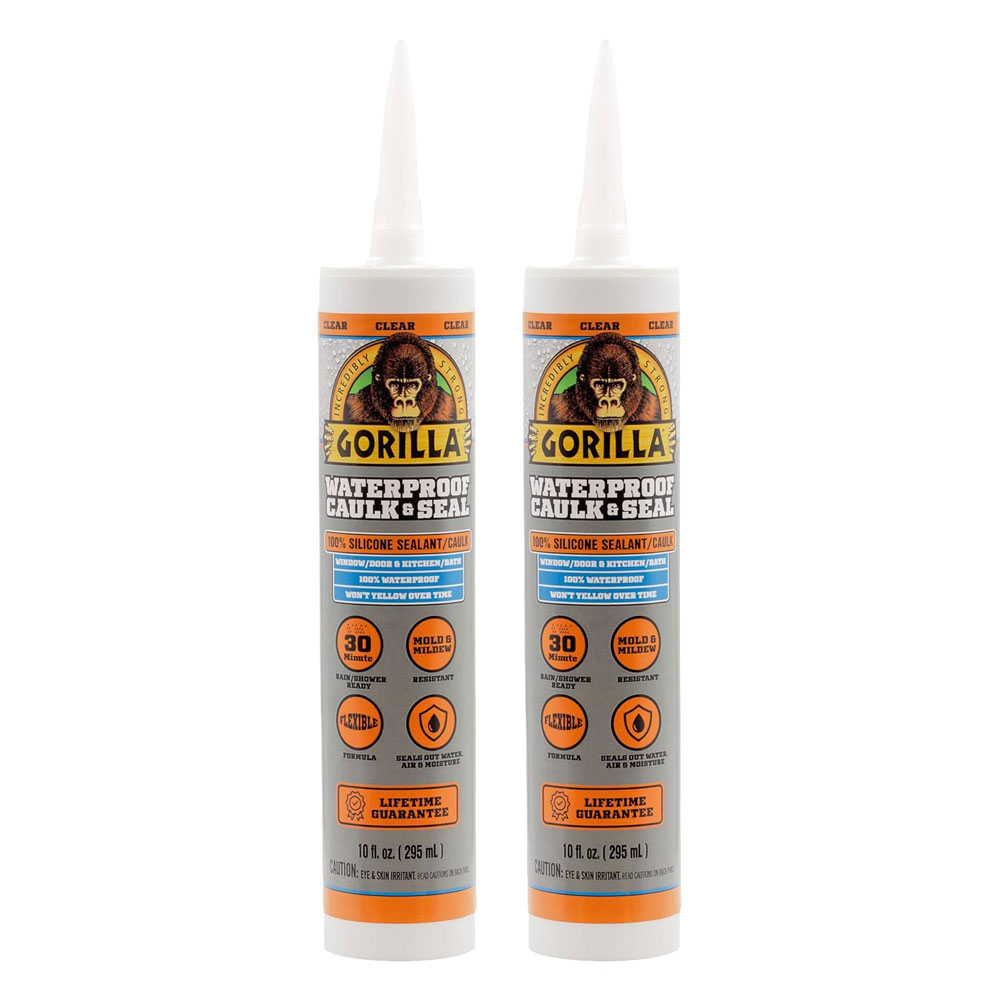
This caulk is perfect for sealing gaps around windows and doors – but you can also use it for sinks, showers, gutters, and vents. It dries in just 30 minutes, and it's mold- and mildew-resistant.
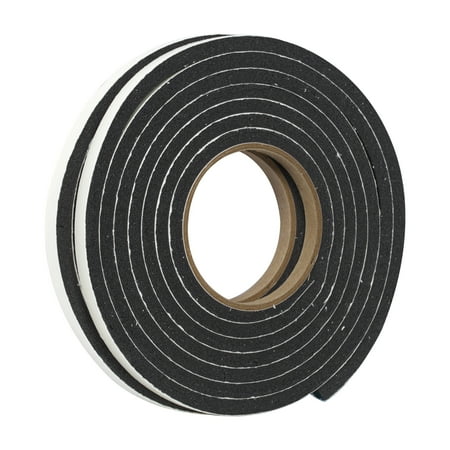
These foam weatherstrips block out drafts and humidity, as well as reducing the dust and pollen in your home. They'll help to improve indoor air quality while making your home more energy efficient.
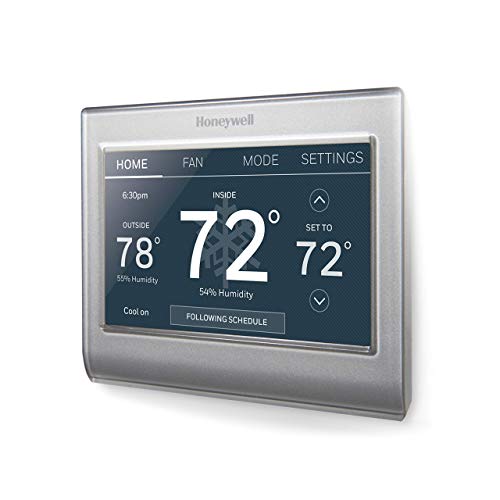
This smart thermostat is complete with flexible programming, fan control, and a sleek touchscreen interface. You can even customize the screen color so that it blends in with your decor.
Looking for more ways to cut costs and keep your house warm this winter? We asked experts about the most economical way to run your heating – and a good thermostat is the secret.