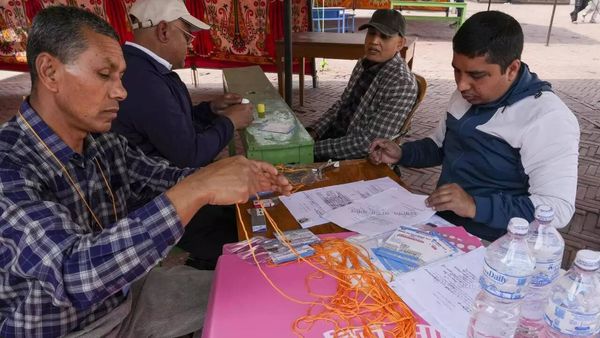
No offence? ... the Salt and Pepper creative writing group in Brighton. Photograph: Martin Godwin
It seemed innocent enough. Indeed, I was flattered: a friend of mine had begun penning a novel and asked me for my opinion on the opening chapters. With careful consideration, I sent back my comments - what I believed was a sensitive, constructive criticism of what I was told was an early draft. "Thanks," came the curt reply. And then I didn't really hear from him again. I thought I'd supplied helpful, encouraging suggestions for improvement. He'd heard me telling him his baby was really quite cute, but would be ever so much more adorable with a bit of plastic surgery.
I was filled with regret: I had evidently screwed up, and I wasn't sure how or where I'd gone wrong. Part of the problem, no doubt, was that I am a fan of having my work unsentimentally assessed. If I am looking for loving blandishments, I need only send writing to my mother. When I want to improve my work, however, I much prefer a heartless critic who will slash an early draft to bits with a red pen and throw it back in my face with the challenge to swallow my pride and fix it. And, no doubt because that's the style which I find most beneficial to my own writing, it's my natural inclination when I am playing the role of critic to be similarly challenging. Isn't that the point?
Not always, I now realise. Accepting the task of offering criticism to someone you consider a friend is risky if you are not quite clear about what kind of feedback they expect and are willing to match those expectations. Sometimes writers are not looking for total honesty when they solicit a response. Fair enough: criticism can have lots of different functions, including, sometimes, simply the opportunity for the writer to get some crucial mum-style encouragement to carry on with a difficult project.
Following the catastrophic fall-out from my critical gaffe, I made the decision to no longer offer anyone who is a friend (or relative, or work colleague, or actually anyone with whom I have an existing relationship) my opinion on writing if it's not in a professional context. Every time I explain my policy to someone I feel rather unfriendly, but that's better than how I felt when my friend stopped returning my calls. Instead, I recommend that my writerly acquaintances turn to literary consultancies if they're really serious about feedback - they're not cheap, but they are neutral and thorough and if you don't like what they say, it won't ruin your social life.
Writing workshops are another possibility for those who want feedback on their writing without losing their friends: a group meets on a regular basis and in turn collectively discusses work by its members. Under the right circumstances, it can be a very functional model, as surely your chances of gleaning useful feedback are higher when you have several critics with diverse voices, with negative views blunted by encouragement from differently-minded readers - I hear it works well at the University of East Anglia's much-envied creative writing MA.
But workshops can still require a very thick skin if the chemistry isn't absolutely right. In the writing group in which I once participated, it seemed that each of us became convinced of the merit of our work in inverse proportion to our affection for each other: we glowered at each other across the table, launching brutal attacks on the overuse of adverbs and plotting stories in which faintly-fictionalised versions of our workshop colleagues came to sorry ends.
And online workshops are a further option - I haven't had personal experience with them, but perhaps the anonymity granted by the internet makes this kind of criticism easier to give and receive? One publisher seems to think it's a good model, with a new dedicated website to give unpublished authors the opportunity to discuss each other's work.
But test-driving writing is, I fear, always going to involve a fair few collisions, if not screaming road rage.