Replacing an old boiler or upgrading a cold, inefficient home can cost thousands of pounds. And for households already struggling with energy bills, that upfront cost can make even essential heating improvements feel desperately out of reach.
The good news is that several government-backed schemes can help with the cost of heating upgrades, insulation and low-carbon technology. In some cases, eligible households may be able to get work carried out for free. In others, grants reduce the cost of installing a heat pump or other low-carbon heating system, but may not cover the full bill.
The important point is that there is no single UK-wide “free boiler replacement scheme” open to everyone. Support depends on where you live, whether you own or rent your home, your household income, your benefits status, your property’s energy efficiency rating and the type of upgrade recommended for your home.
Here’s what free heating upgrade grants are available, who may qualify and how to apply.
Read more: How to choose the best heat pump
Get a boiler installation quote for your home
Use our comparison tool to get a range of free quotes from leading boiler installers across the UK.
What free heating upgrade grants are available?
The main schemes to know about are:
- Warm Homes: Local Grant , which offers free energy-saving improvements to eligible households in England
- Boiler Upgrade Scheme , which helps property owners in England and Wales with the cost of installing a heat pump or biomass boiler
- Warmer Homes Scotland , which supports eligible households in Scotland who are struggling to heat their homes
- Home Energy Scotland Grant and Loan , which offers grants and optional interest-free loans for clean heating and energy efficiency improvements in Scotland
- Separate schemes and advice routes in Wales and Northern Ireland
The right scheme depends on your circumstances. If you are on a low income and live in an inefficient home, you may be more likely to qualify for fully funded support through a local or fuel-poverty scheme. If you own your home and want to replace a gas, oil, LPG or electric heating system with a heat pump, the Boiler Upgrade Scheme may reduce the upfront installation cost, but it is not usually a free upgrade.
Read more: Solar panel grants and funding UK: what’s available and how to apply
Can I get a free boiler replacement?
Some households may be able to get help replacing or repairing an old heating system, but many current schemes focus on improving energy efficiency or switching homes to low-carbon heating rather than simply replacing a gas boiler with another gas boiler.
That means the phrase “free boiler grant” can be misleading. In practice, a home assessment may recommend insulation, heating controls, an air source heat pump, solar panels or other measures, depending on the property and the scheme.
For example, the “Warm Homes: Local Grant” can fund improvements such as wall, loft and underfloor insulation, air source heat pumps, smart controls and solar panels for eligible households in England. If the council agrees to the work, it organises and pays for it, and the household does not need to pay for the improvements.
By contrast, the Boiler Upgrade Scheme is designed to cover part of the cost of replacing fossil-fuel heating systems with a heat pump or biomass boiler in England and Wales. It is not a like-for-like free boiler replacement scheme.
Read more: New boiler and installation cost 2026: An expert guide on UK prices
Heating upgrades through the Warm Homes: Local Grant
The Warm Homes: Local Grant is one of the clearest routes for households looking for free heating or energy-efficiency improvements.
The scheme is available in England and is aimed at households on a low income, receiving certain benefits or living in an eligible postcode area. To qualify, the home must be privately owned, either by the person living there or by their landlord, and have an Energy Performance Certificate rating of D, E, F or G. Household income must usually be £36,000 a year or less, although some households may still qualify if they live in a certain postcode area or someone in the household receives certain benefits.
If you are eligible and your local council has funding available, the council will arrange a home survey. The survey will look at how your home could be made warmer and more energy efficient. Suggested improvements might include insulation, an air source heat pump, smart heating controls or solar panels.
If you agree to the recommended improvements, the council will organise and pay for the work. You do not need to pay for it, although landlords may need to contribute towards some improvements.
Heating upgrades through the Boiler Upgrade Scheme
The Boiler Upgrade Scheme is different. It is not a free heating upgrade grant for low-income households. Instead, it offers an upfront grant to reduce the cost of installing low-carbon heating.
The scheme is open in England and Wales. It can be used to replace a fossil-fuel heating system, such as gas, oil, LPG or electric heating, with a heat pump or biomass boiler.
The current grants are:
- £7,500 towards the cost and installation of air-to-water heat pumps, ground source heat pumps and water source heat pumps
- £2,500 towards air-to-air heat pumps for residential properties
- £5,000 towards biomass boilers
The scheme is installer-led. That means an MCS-certified installer applies for and redeems the voucher on behalf of the property owner. The grant is usually deducted from the quote, rather than paid directly to the household.
For many homes, the grant will reduce the cost of installing a heat pump, but it may not remove the upfront cost entirely. You should always ask for a written quote showing what the grant covers, what you are expected to pay, and whether any additional work, such as radiator upgrades or insulation, is needed.
Heating grants in Scotland
Scotland has separate support schemes.
Warmer Homes Scotland helps homeowners and private rented sector tenants who are struggling to heat their homes. Eligible households must live in the property as their main home, have lived there for at least six months in most cases, live in a home with a poor energy rating, and meet other criteria. The household must also include someone who is aged 75 or over with no working heating, someone with a certain medical certification, or someone receiving at least one qualifying benefit.
The Home Energy Scotland Grant and Loan is another route for homeowners in Scotland. It offers grants, interest-free loans or a combination of both for clean heating systems and energy-efficiency measures. Grant funding of up to £7,500 is available for heating systems such as heat pumps and heat network connections, with an optional interest-free loan of up to £7,500. Rural and island homes may be able to claim an additional uplift.
Heating grants in Wales and Northern Ireland
The Boiler Upgrade Scheme is available in Wales, as well as England, so Welsh homeowners may be able to apply for help towards a heat pump or biomass boiler.
Other Welsh Government home energy support may also be available, depending on income, property type, and location. Households in Wales should check the current Welsh Government energy advice before applying, as schemes and eligibility rules can change.
Northern Ireland has its own arrangements. The former Boiler Replacement Scheme in Northern Ireland is now closed. But households may still be able to find local energy-saving grants or advice through Northern Ireland’s official energy support channels. The Gov.uk website advises Northern Ireland households to check local energy-saving grant information rather than apply for the Boiler Upgrade Scheme.
Who is eligible for free heating upgrade support?
Eligibility varies across schemes, but the same factors tend to come up.
You may be more likely to qualify for free or heavily subsidised support if:
- You are on a low income
- Someone in your household receives certain benefits
- Your home has a poor EPC rating
- You own your home or have your landlord’s permission
- You live in a participating local authority area
- You live in a hard-to-heat home
- You are vulnerable, older or have a health condition, depending on the scheme
- Your current heating system is inefficient, expensive to run or not working properly
For the Warm Homes: Local Grant, the key requirements are that the property is in England, privately owned, has an EPC rating of D, E, F or G, and that the household meets the income, benefits or postcode criteria.
For the Boiler Upgrade Scheme, the focus is not on income. The scheme is aimed at property owners in England and Wales, replacing fossil-fuel heating systems with eligible low-carbon heating systems.
What heating upgrades can grants cover?
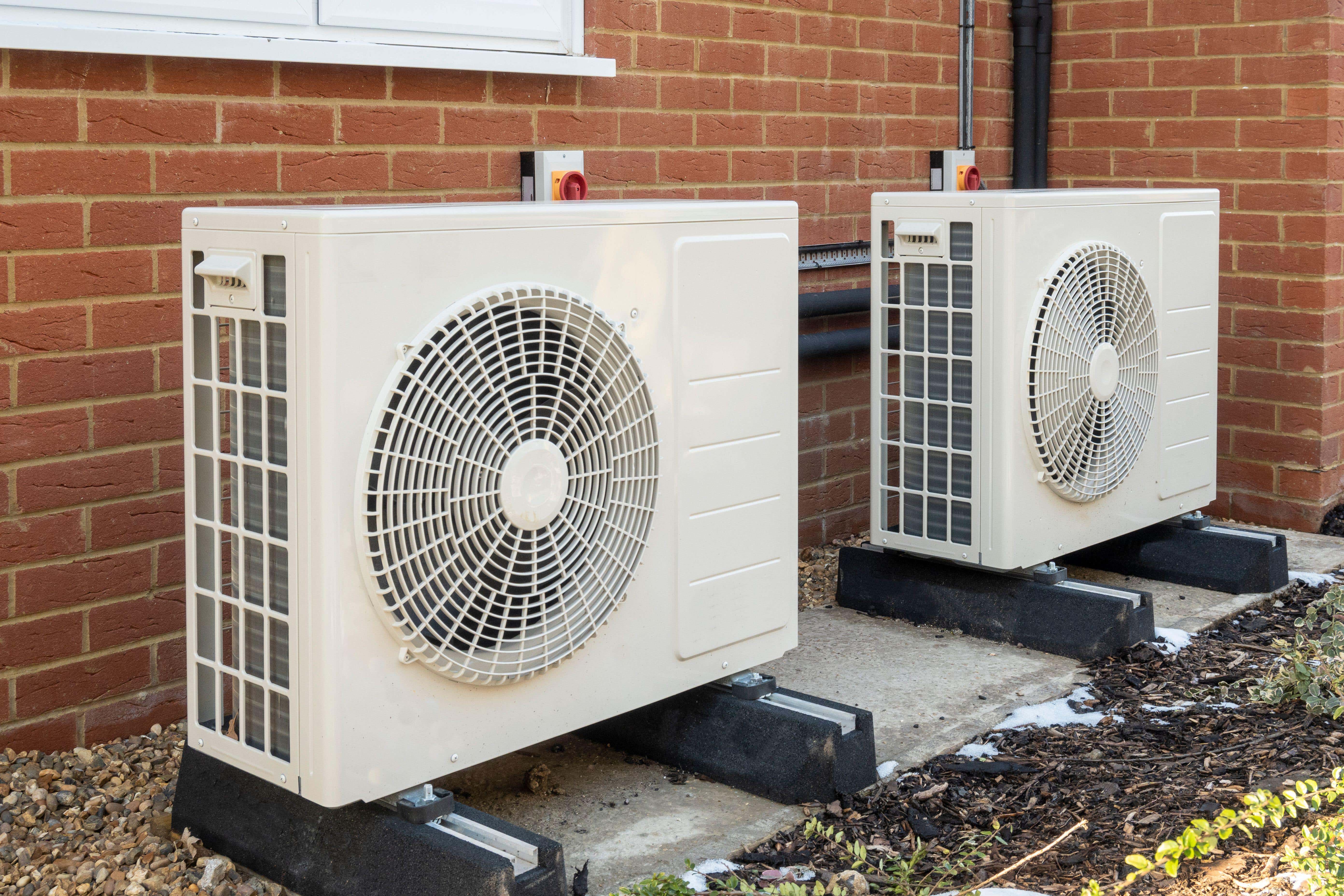
The work covered depends on the scheme and the result of any home survey. Possible improvements include:
- Boiler repair or replacement, where eligible
- Air source heat pumps
- Ground source heat pumps
- Water source heat pumps
- Air-to-air heat pumps
- Biomass boilers
- Smart heating controls
- Loft, wall or underfloor insulation
- Radiator or heating system upgrades
- Solar panels, in some schemes
- Draughtproofing or other energy-efficiency improvements
It is common for schemes to take a “whole home” approach. That means the recommended work may not be limited to the heating system. If a home is poorly insulated, improving insulation may be the first step before installing low-carbon heating.
How much funding can you get?
Some schemes are designed to cover the full cost of agreed improvements for eligible households. Under the Warm Homes: Local Grant, for example, the local council organises and pays for approved work, and the household does not need to pay.
Other schemes are part-funded. The Boiler Upgrade Scheme offers grants towards low-carbon heating, including £7,500 for some heat pumps, £5,000 for biomass boilers and £2,500 for air-to-air heat pumps.
Scotland’s Home Energy Scotland Grant and Loan can provide up to £7,500 in grant funding for heat pumps and heat network connections, with an additional optional interest-free loan. Rural and island households may qualify for an uplift.
Before agreeing to any work, ask whether the grant covers the full installation cost or whether you will need to make a contribution.
How to apply for a free heating upgrade grant
The application process is dependent on the scheme, but most households should follow these steps.
First, check your home’s EPC rating. Many fully funded schemes are aimed at homes with poorer energy efficiency ratings, often D, E, F or G.
Next, check your household income, benefits status and whether your postcode or local authority area is eligible. For the Warm Homes: Local Grant, you can apply through the official Gov.uk service. If you are eligible and your local council has funding, they will usually contact you within 10 working days to get more information and arrange a home survey.
Once the survey is complete, the council or scheme provider will explain which improvements are recommended. Make sure you understand what is being installed, whether the work is fully funded and whether there are any ongoing servicing or maintenance costs.
If you rent privately, you will usually need your landlord’s permission before any work can go ahead. In some cases, the landlord may also need to contribute.
How to apply for the Boiler Upgrade Scheme
The Boiler Upgrade Scheme works differently because the installer applies for the grant.
Start by finding an MCS-certified installer. The installer will assess your property, recommend a suitable system and provide a quote. The quote should show how much the installation will cost and how the Boiler Upgrade Scheme grant will be applied.
If you accept the quote, the installer applies to Ofgem for the voucher. Ofgem will then contact the property owner to confirm that the installer is acting on their behalf. Once the work is completed, the installer redeems the voucher.
Because the scheme is installer-led, you do not normally receive the grant money yourself. It is used to reduce the upfront cost of the installation.
Can tenants apply for free heating upgrades?
Tenants may be able to benefit from some heating upgrade schemes, but they will usually need their landlord’s permission.
The Warm Homes: Local Grant applies to privately rented homes, but the property must meet the scheme rules and the landlord may need to contribute towards some improvements.
Warmer Homes Scotland can also support private rented sector tenants, provided they meet the eligibility rules.
Social housing tenants should usually contact their housing association or council landlord, as upgrades may be delivered through separate social housing funding programmes.
Tenants should not agree to installation work without written permission from their landlord.
What to check before accepting heating upgrade work
Before agreeing to any heating upgrade, check:
- Whether the scheme is official
- Whether your installer is properly accredited
- Whether the grant covers the full cost
- Whether you will need to make any contribution
- What technology is being installed
- Whether your home needs insulation, radiator or pipework upgrades
- What warranty is included
- Who is responsible for servicing and maintenance
- Whether planning permission is needed
- Whether the work could affect your tenancy agreement, mortgage or home insurance
It is also sensible to get more than one quote for part-funded work where possible, especially for heat pump installations.
The verdict
Free heating upgrade grants can be a valuable route for households that cannot afford to replace an old heating system or improve a cold, inefficient home. But the right scheme depends on your circumstances.
If you are on a low income and live in an inefficient property, start by checking whether you qualify for fully funded support through the Warm Homes: Local Grant or a devolved scheme. If you own your home and want to replace a fossil-fuel heating system with low-carbon heating, the Boiler Upgrade Scheme may help reduce the cost, but it is unlikely to make the installation completely free.
The key is to check official eligibility rules before applying, understand whether the work is fully funded or part-funded, and avoid any company that promises a free boiler without first assessing your home and circumstances.