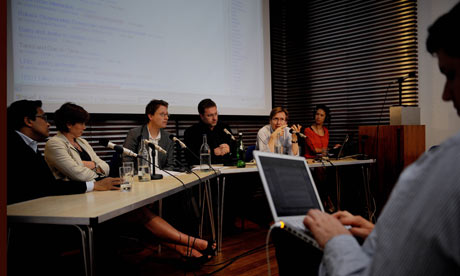
I recently attended an event discussing developments in online video. The job titles of the panellists ranged from lead product manager for a national newspaper to director of digital development.
When I trained as a journalist, just four years ago, the jobs I knew about in journalism were the straightforward, traditional ones: editor, reporter, sub-editor, production editor.
There were plenty of roles that didn't exist that do now (social media editor, online community manager) and there are plenty that I'm still not sure about what they entail. But as I meet these people and find out more about what they do and, particularly with the online jobs, read interviews and profiles with them on industry websites and blogs, I'm gaining a greater understanding of what these roles are responsible for.
(On a side note, if there are journalistic job titles you've come across and would like me to try and find out more about what those roles do, let me know and I'll try to answer your questions here.)
But when I left my training, I had little idea. OK, so I wasn't going to step into one of these posts straight away, but I think universities, colleges and other institutions offering journalism courses should offer their students an updated careers fair, with more advice on the range of media and journalism jobs out there, beyond those already heard of and understood. The unfortunate reality is that there won't be enough sport reporter, photographer, junior reporter positions to go around as each new batch of graduates comes into the workplace. Why not let them know where else in journalism and related industries their skills might make an impact?
New journalists undergoing training deserve to be given a true picture of the shape of the workplace — even if it's not always a pretty picture. A recent graduate of Cardiff's journalism school told me old students are invited back to give a true account of their first year in work/finding work — this is the kind of honesty needed to best prepare students for what lies ahead.