The SNP manifesto offers everything Labour is offering, plus a bit more, but without the nasty bits. The minimum wage goes up, the NHS budget is increased by £9.5bn a year in real terms, 100,000 homes are built across the UK, public spending goes up by an inflation-adjusted 0.5% a year.
This is what those on the left of the Labour party wish Ed Miliband was offering. What’s more, the package offered up by Nicola Sturgeon comes without the spending cuts Labour says are needed to balance the books.
So is it possible for the SNP to say that abandoning austerity is consistent with deficit reduction?
The answer is yes, but only by way of some pretty heroic assumptions about the economy’s potential to grow its way back to financial good health.
The position is as follows. Last year, the UK government spent £90bn more than it received in tax, leaving a budget deficit worth 5% of national income. Now that the economy is growing again, tax revenues should increase and welfare payments will come down. That means some of the deficit will be whittled away naturally, but the belief of experts in the City and in academia, and at the Office for Budget Responsibility and the Institute for Fiscal Studies (IFS), is that part of it will remain.
Nobody is quite sure how big the residual deficit will be. The SNP’s approach seems to be to suck it and see in the hope that more of the deficit can be tackled through the stronger growth that will result from abandoning spending cuts.
There is nothing inherently wrong with this idea. Barack Obama’s strategy in the US was to get the economy growing first and worry about the deficit later. Even so, for the SNP’s sums to add up certain things will need to happen. First, the economy will have to grow faster than most analysts are expecting for the next five years and do so without creating inflationary pressure.
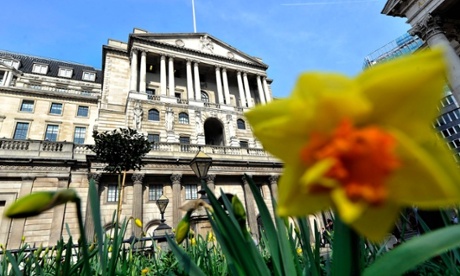
Second, the Bank of England and the financial markets will have to be relaxed about the abandonment of austerity. If they take fright, interest rates will go up and any positive impact on growth from saying no to further spending cuts will be offset by the negative impact of higher borrowing costs.
The SNP is offering one or two revenue-raising measures. According to the IFS, a 50% tax rate for higher earners might raise money – but it might not. The annual savings on the running costs of Trident will be between £2bn and 2.5bn, the Ministry of Defence says. Even using the most optimistic assumptions, these SNP proposals will not make a serious dent in the deficit.
As Sturgeon says, deficit reduction will be slower under her plans. Unless the economy really hums along between now and the end of the decade, it will be a lot slower.