
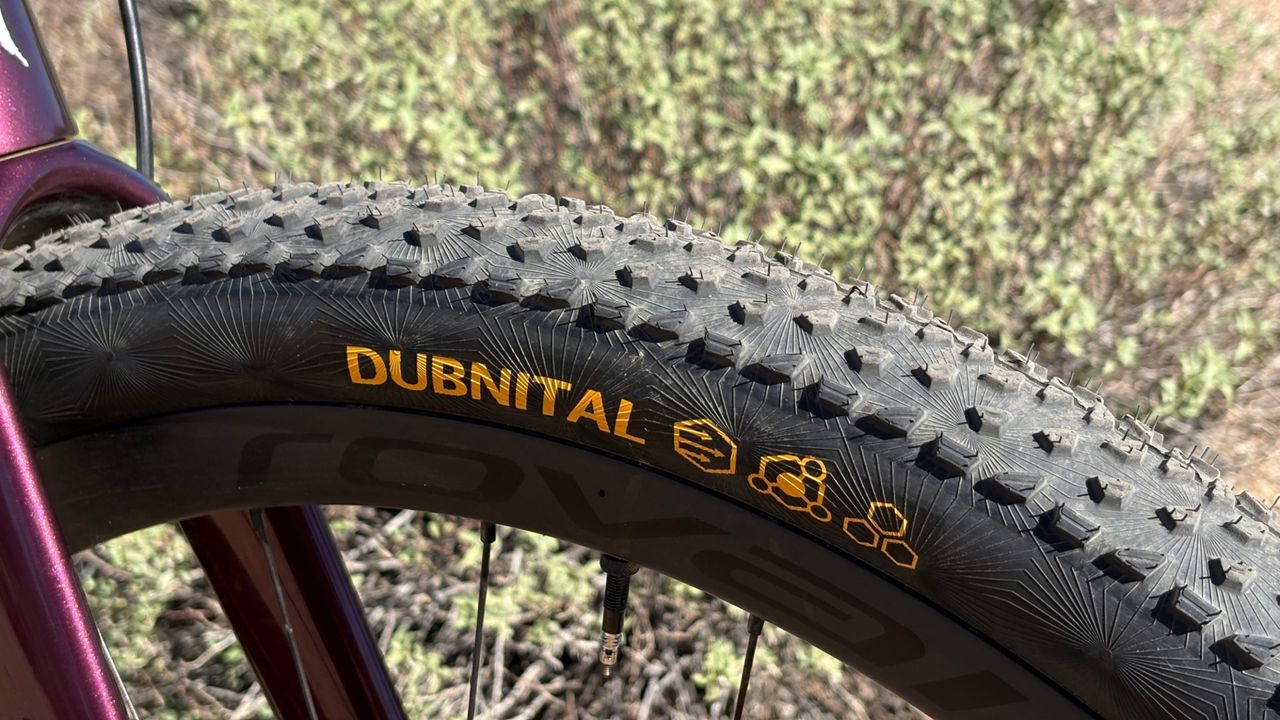
Few tyres caused the stir that Continental’s Race Kings made last year.
Sure, tyre discourse is a niche-within-a-niche of cycling culture, but when Dylan Johnson started championing the mountain bike tyre as a gravel-racing option, people took note and conventional wisdom about gravel racing and gravel tech was thrown out the window.
While it seems trivial, the hype around the tyre, specifically the 2.2 Black Chili compound, got to the point where the Continental Race Kings (a popular choice among the gravel pros) were sold out for months on end. Racers like Johnson stockpiled the tyres; others decided against tyre sponsors to get in on the action. For a time, the Race King was the king of the gravel hill, despite being a mountain bike tyre.
Continental built on that momentum in 2025, rolling out a new line of improved mountain bike tyres. The Race King was revamped, with a full range of options for casings, tread patterns, and new model names. The Race Kings are now called Dubnitals, and like their predecessor, they were sold out in the United States within just a few weeks.
We’d hoped to include the Dubnitals in our year-long test of best mountain bike tyres for drop-bar bikes, but persistent supply issues meant we had to publish the story before we got to even try them.
In the end, we found them on a third-party website a nd finally got some time on the rubber. Are the Continental Dubnitals worth the wait if you want to ride the wide-tyre wave?
Tyre specs
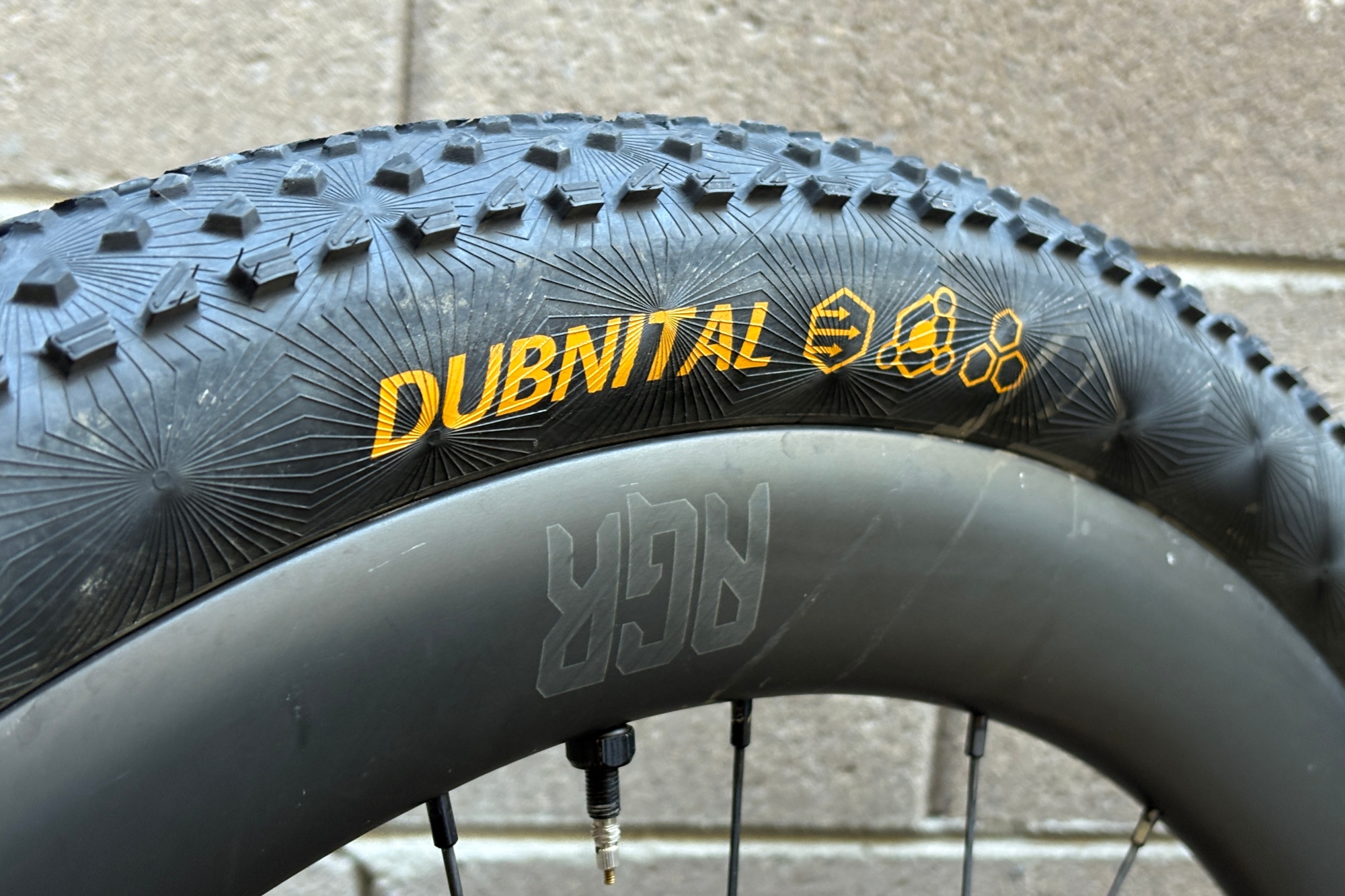
- Product reviewed: Continental Dubnital Race Rapid 2.2
- Actual weight: 690 grams
- Tread: Elevated knob pattern
- Hookless and tubeless compatible
- Size options: 27.5x2.2, 27.5x2.4, 29x2.2, 29x2.4
- Balck or tan side wall options
- MSRP: $87. 99 / £59.95
Ride impression
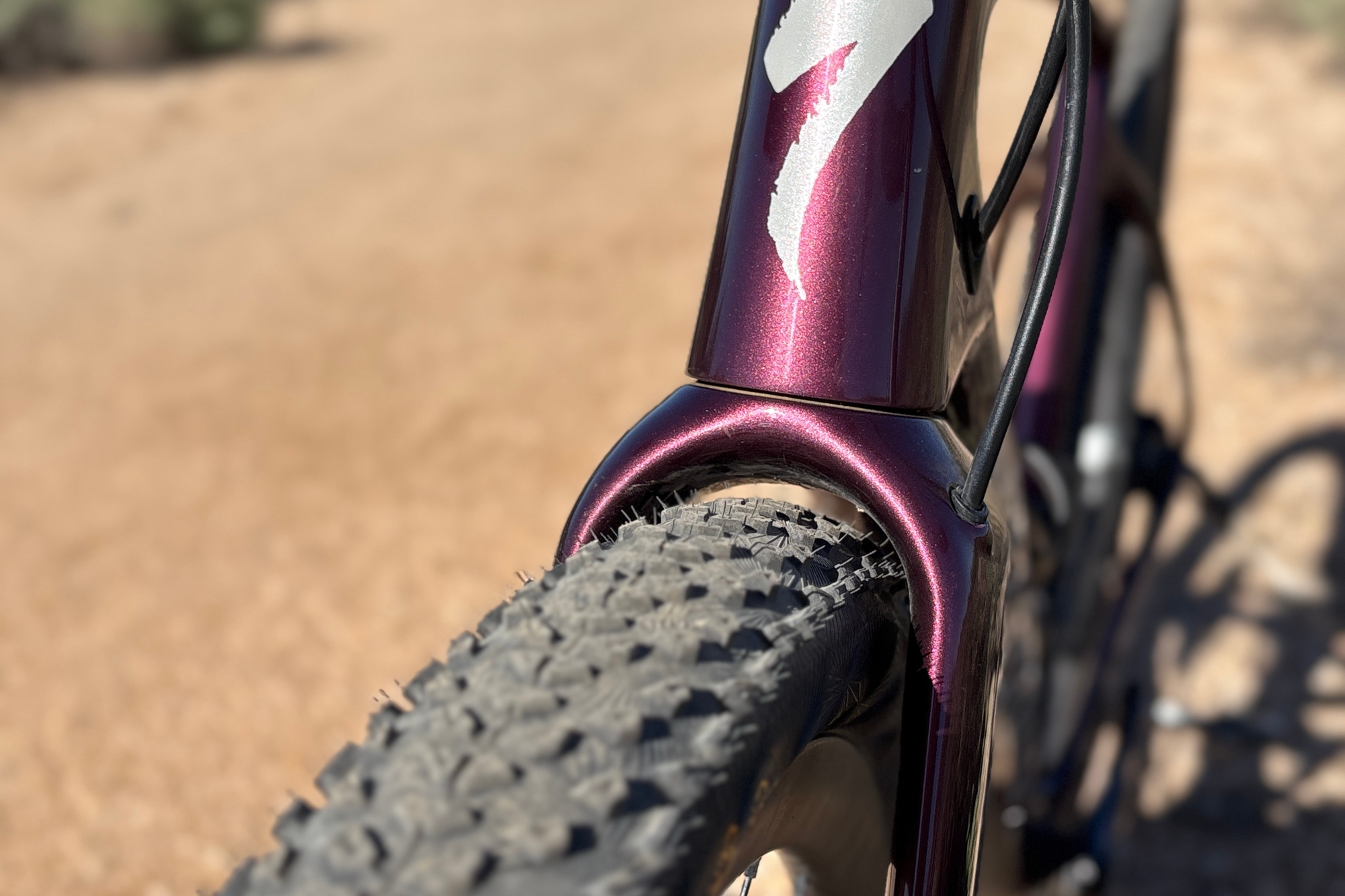
Right off the bat, the Dubnitals were easy to work with. Due to the nature of my job, I ended up swapping the tyres onto three different rims within two weeks. And each time I was able to seat the tyres with just a floor pump, making the task easy. Nothing is more frustrating than a challenging install requiring an air compressor or a run to the local bike shop.
Once riding, the Dubnitals were equally easy to get along. Some competitors, like the Maxxis Aspen ST or the older Vittoria Terreno XC, have a very small window of PSI where the tyre feels optimal. Pleasantly, the Dubnitals have a larger window that works, allowing for a higher PSI on hard surfaces and a lower PSI on loose terrain. The Dubnitals are incredibly responsive to different setups.
The tyres' prominent knobs compared to other mountain-bike-tyres-turned-gravel-options certainly didn’t make it the fastest going to and from the gravel roads and trails. The noise of the tyre on the road was louder than I was used to, which is not necessarily a test of speed, but it is still part of what makes tyres feel slow. Yet on fast, sharp corners, the sidewalls were sturdy enough to hold and prevent the tyre from diving, which happens with other, lighter sidewalls.
It's not until you hit the dirt that the Dubnitals come into their own; it almost feels like the tyres accelerate. The tyre's power and popularity comes from those elevated knobs, which add traction and ensure incredibly predictable handling, even on very loose desert terrain. Stopping power is quite pronounced as well. Sure, the knobs might hinder the tyre's pure speed, but anecdotally, that speed delta is hard to parse out.
According to those who do put the tyres through rigorous quantitative testing, the data agree. The speed penalty is not nearly as steep as the handling benefit suggests. Here is data from John Karrasch, whose method of testing is widely seen as top of the class in terms of quantitative outdoor field testing:
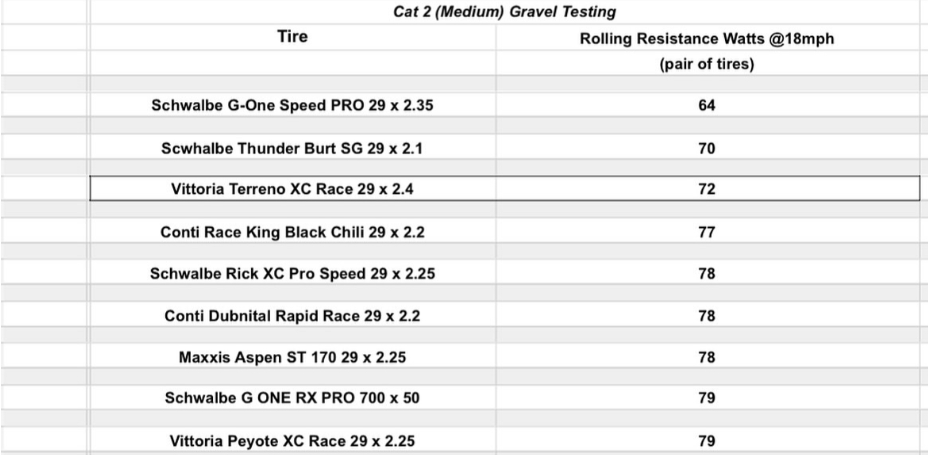
While it’s natural for racers to fixate on outright speed, gravel racing is rarely a pure speed equation. It’s an efficiency problem. On gravel, efficiency isn’t earned solely through low straight-line rolling resistance (though the Dubnital holds its own with the top contenders there), but also through braking traction, cornering control and the confidence to maintain momentum across broken, unpredictable terrain.
That broader definition of efficiency is where the Dubnital becomes a genuinely compelling race option. Compared with narrower, gravel-specific tyres, and even established mountain bike benchmarks like the Race King, the Dubnital consistently preserved speed through corners, rough sections and technical features. Instead of forcing riders to scrub speed and re-accelerate, it rewarded commitment and stability.
Over the duration of a race, those gains can outweigh marginal watt savings from rolling resistance alone. While several of the leading mountain bike tyres in our comparison test performed well in this regard, the Dubnital clearly stands out for its handling and composure.
Additionally, where I feel the Dubnital could outpace the other top options is around its long-term durability. I am still early in the tyre's lifetime, but I have ridden the same rubber compound on my mountain bike with the Continental Trinotal tyre. That option held its tread on the rocky trails around Phoenix, Arizona, far longer than previous tyres I have tried. It should follow that the Dubnitals may also have a long lifespan.
With that said, I did have a flat on the Dubnitals while riding rugged terrain. I sliced one on some sharp rocks badly enough that a quick plug wouldn't do the trick. I've also heard of riders experiencing punctures with these tyres on the rougher gravel terrain of Kansas and Arkansas. That very well could be a case of the prominent knobs catching smaller, sharp rocks and slicing tyres along the base of the tyre knobs, but that is speculation. It is just something I am monitoring.
Value & Verdict
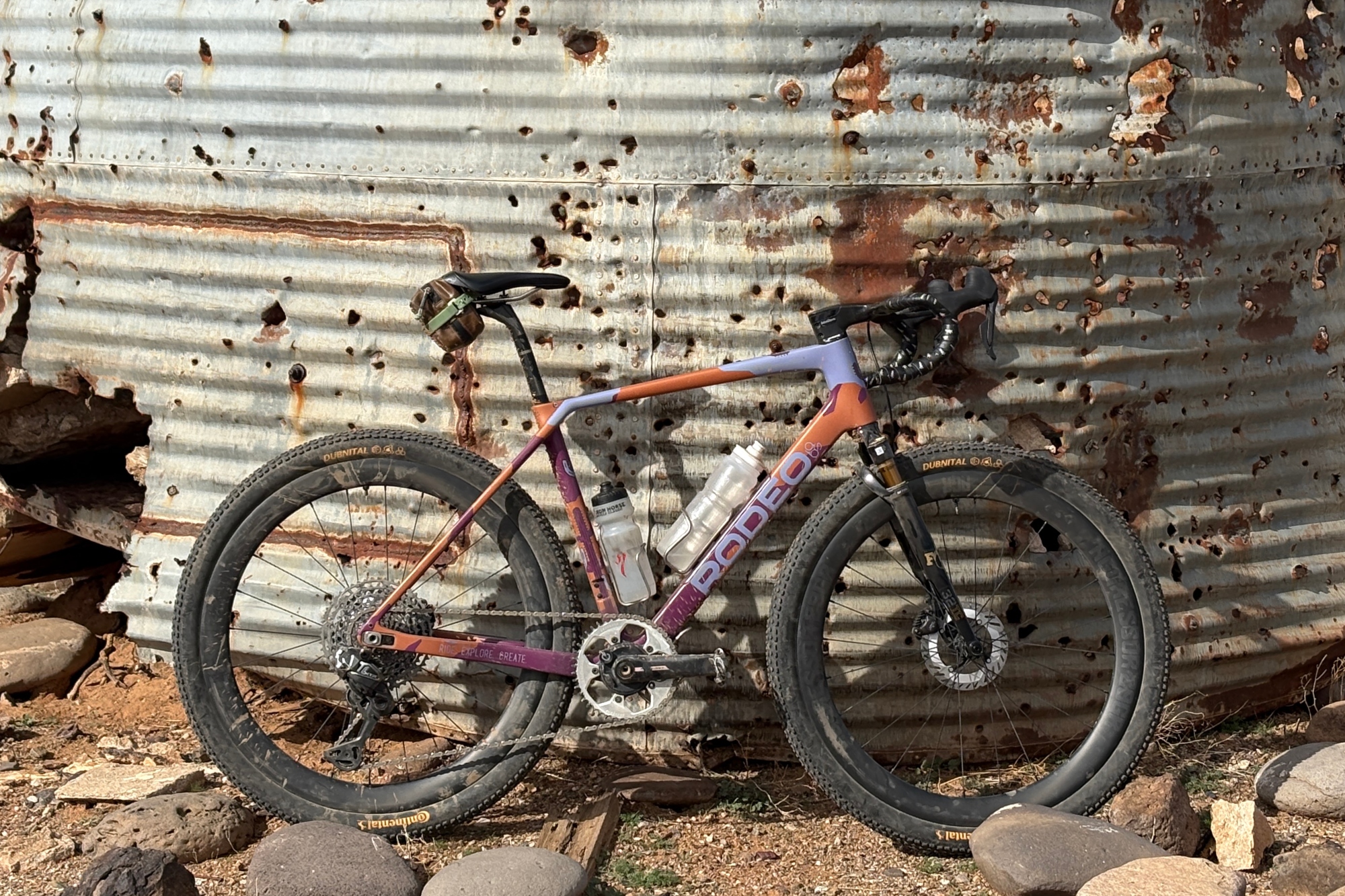
Ultimately, the Continental Dubnital is a very strong all-around tyre that thrives across a wide range of surfaces and terrain. It may not be the lightest or the fastest in its category, but in real-world gravel racing and riding, those metrics tell only part of the story. What the Dubnital delivers, exceptionally well, is efficiency through control. Its predictable handling and braking traction through rough sections allow riders to maintain momentum rather than constantly shedding and rebuilding speed. That confidence is worth far more over the course of a long race or demanding ride than marginal watt savings on smooth ground.
It's this balance that makes the Dubnital one of the best mountain bike tyre options for drop-bar gravel bikes currently available. Going forward, I could easily see myself using it for racing, rowdy off-road rides, and even a bikepacking adventure or two.
Value only strengthens the case. While availability has been inconsistent, current pricing sits around an $88 / £60. Compared with the most direct competitors like the Vittoria Peyote, Schwalbe Rick and Maxxis Aspen ST, the Dubnital matches, and sometimes even undercuts, the field. Given its performance, handling advantage, versatility and expected durability, the Dubnitals' value arguably places it at the top of the growing category of extra-large gravel tyres.
For me, it doesn’t get much better than the Dubnital. They were well worth the wait, and they set a high bar for what this emerging segment should deliver.