Metal halide lamps used to be the gold standard for lighting up sports venues, but they are rapidly becoming relics of the past. Stadium operators facing tight budgets and stricter environmental rules are aggressively questioning whether retrofitting to LEDs delivers on its massive promises.
The short answer is yes. Upgrading to solid-state lighting cuts immediate energy consumption by 70% or more while simultaneously dropping venue carbon emissions by up to 40%. For a mid-tier athletic arena, this shift slashes annual carbon dioxide output from roughly 10 tons down to under 4 tons.
Every single day, high school athletic directors and professional stadium operations managers struggle with delayed game schedules because traditional metal halide bulbs take up to 20 minutes to warm up. Moving to a modern system solves this immediately with instant-on capability and superior on-field visibility.
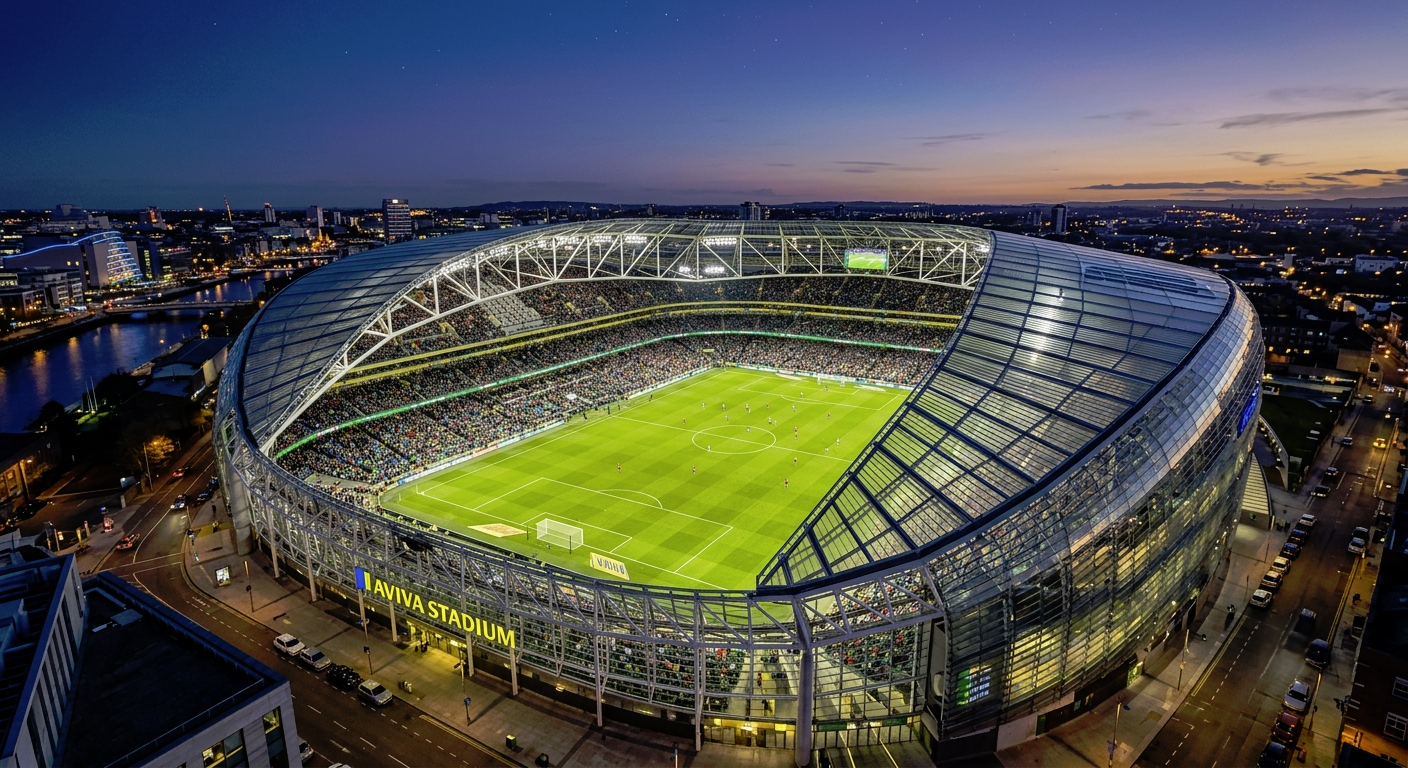
Image Source: Google Gemini
Tracking the Financial Payback and Lifespan Realities
The primary hesitation around a stadium lighting overhaul is the upfront capital expenditure. High-output fixtures engineered for large sports venues represent a significant initial investment, but the operational savings generate rapid payback periods.
Smart venue managers look at the total lifecycle cost rather than just the initial purchase order. Partnering with a proven commercial contractor like Facility Solutions Group stadium lighting allows facilities to properly map out energy reduction alongside local utility rebates that drastically lower installation costs. Because these systems consume a fraction of the wattage, most sports facilities achieve full financial payback within two to four years.
The financial relief continues long after the initial installation costs are recovered. Traditional sports lighting systems demand constant upkeep, often requiring expensive bucket trucks or specialized lifts to replace dead lamps high above the turf. Modern fixtures feature a massive operational lifespan ranging from 50,000 to 100,000 hours, virtually eliminating routine maintenance labor and venue downtime.
Beyond the Balance Sheet: Broadcast Quality and Light Pollution
Modern sports lighting upgrades change more than just the monthly utility bill. The technology transforms the actual event experience for athletes, fans, and television audiences.
Older lighting technologies introduce a subtle visual strobe that interferes with modern media production, so fans streaming events like the World Cup won’t tolerate substandard presentation. Upgrading to advanced systems eliminates this broadcast-quality flicker, ensuring that ultra-slow-motion replays remain perfectly crisp and clear for viewers watching at home. Furthermore, specialized optics minimize spill light and glare, keeping the illumination focused strictly on the playing surface.
Implementing these systems introduces a layer of operational flexibility that older lighting rigs simply cannot match. Venue managers can leverage several advanced control capabilities to optimize daily use:
- Digital zoning allows operators to dim specific seating sections during smaller events
- Automated scheduling pairs lighting levels with local sunset times to prevent energy waste
- Instant color-changing capabilities turn utility fixtures into dynamic entertainment elements
Designing a Sustainable Future for Sports Venues
Elite venues are no longer viewing illumination as an isolated utility. Instead, forward-thinking stadiums are treating their infrastructure upgrades as core components of broader grid-efficiency goals. Major international venues are adopting stringent building standards and integrating clean energy to lower their operational baseline emissions, transforming stadiums into decentralized clean energy hubs.
The decision to transition away from metal halide fixtures is no longer a speculative gamble. The combination of verified energy reductions, drastically lowered maintenance demands, and superior performance makes the upgrade a necessity for any facility looking to remain competitive. Readers interested in learning more about the technical shifts impacting all manner of industry niches can check out more up-to-the-minute coverage on our site.