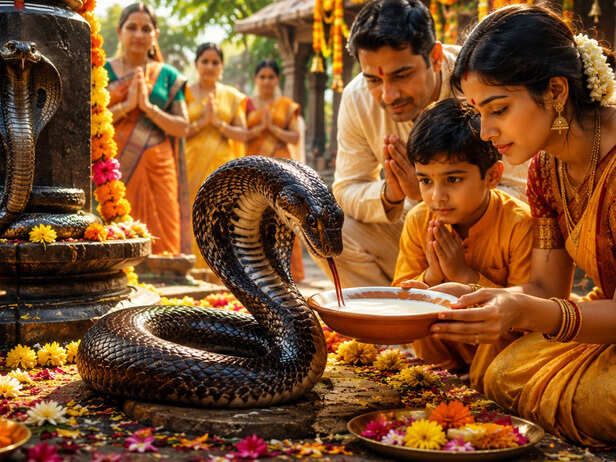
Every year on Nag Panchami, many people offer milk to snakes as a sign of devotion. But here is the question that deserves attention: Does a live snake actually need milk? This popular ritual has been passed down for generations, yet religious worship and the treatment of real snakes are two different things. Snakes are reptiles, not mammals, and milk is not a natural part of their diet. In fact, forcing a snake to drink milk can be harmful. So, how can devotees honour Nag Devta without hurting a living creature? The answer may change the way you celebrate Nag Panchami this year.
The Ritual Many People Misunderstand
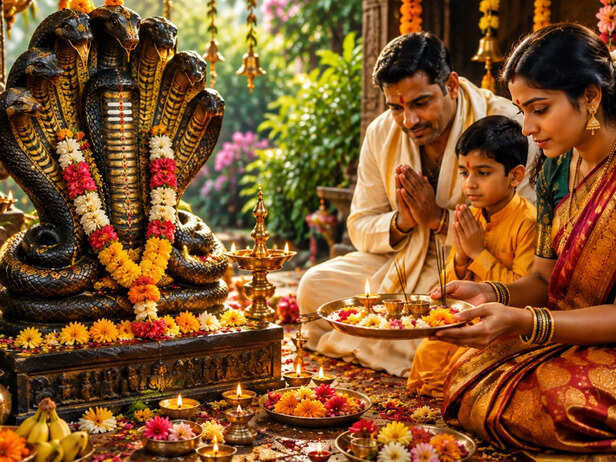
The sight of a snake drinking milk during Nag Panchami is familiar to many people. But a religious festival and the treatment of a live animal should not be confused. Traditional worship can be performed through images, idols and symbolic offerings. In many homes, devotees make or worship representations of snakes and offer flowers, water and other puja items. This allows people to express their faith without forcing food or drink on a wild animal. The important point is simple: devotion does not need to cause suffering. A respectful celebration can protect both the spiritual meaning of the festival and the animal.
Snakes Are Not Milk Drinkers

The science behind this issue is quite clear. Snakes are reptiles, and milk is not part of their natural diet. They normally get the water they need through suitable environmental sources and their food. Their bodies are not designed to depend on milk like those of young mammals. Giving milk to a snake can therefore create health problems, especially when the animal is already weak or stressed. A snake that appears to drink milk should not automatically be taken as proof that milk is good for it. Animal behaviour during stressful situations can be very different from normal behaviour in the wild.
Why Some Snakes Appear to Drink Milk
This is where the popular image can become misleading. Snakes displayed during festivals may be under extreme stress, and some may have been kept without normal access to water or food. When a dehydrated animal encounters liquid, it may try to drink. That does not mean milk is healthy for the snake. Wildlife experts have repeatedly warned against forcing snakes to consume milk during festivals. The bigger concern is that wild animals can suffer when they are captured, handled repeatedly or kept in unsuitable conditions. What looks like a harmless ritual may therefore hide serious welfare problems.
Worship Should Never Cause Harm
The spiritual meaning of Nag Panchami can be preserved without putting a live snake in danger. If a devotee wants to offer milk as part of family tradition, it can be offered symbolically to a snake idol or image, depending on the customs followed at home. Flowers, prayers and traditional puja can also be part of the celebration. The important idea is respect. If we see the snake as a sacred symbol, harming that creature goes against the spirit of reverence. A meaningful festival should bring devotion and compassion together rather than forcing one to compete with the other.
The Snake Has a Deeper Place in Tradition
Serpents have a deep place in Hindu tradition. Sheshnag is traditionally associated with Lord Vishnu, while snakes are also closely connected with Lord Shiva in Hindu imagery. Nagas appear in many stories, symbols and sacred traditions. This makes Nag Panchami more than a simple ritual involving an animal. It is a festival connected with respect for a powerful natural creature and its place in religious thought. Because of this, devotees can celebrate the festival by remembering these traditions while also caring for real snakes. Faith becomes even more meaningful when it is joined with compassion.
A Better Way to Celebrate
There are simple ways to celebrate Nag Panchami without harming wildlife. Worship a clay or metal snake idol, create a traditional snake image, offer flowers and perform prayers according to your family customs. Avoid handling wild snakes or encouraging people to gather around them. Never try to force milk into a snake's mouth. If a snake enters your home, contact a trained local wildlife rescuer instead of trying to catch it yourself. These small choices can make the festival safer for everyone. Most importantly, let the celebration teach children that respecting nature is also a form of devotion.
The Real Meaning of Nag Panchami
Perhaps the most important message of Nag Panchami is not whether a snake drinks milk. It is whether our devotion makes us more compassionate. If we worship Nag Devta as sacred, then protecting real snakes from unnecessary suffering is a meaningful way to honour that belief. The festival gives families an opportunity to teach children about faith, nature and responsibility together. You can pray with devotion, follow your family traditions and still choose a safer way to make offerings. True respect should never require an innocent creature to suffer.
Unlock insightful tips and inspiration on personal growth, productivity, and well-being. Stay motivated and updated with the latest at My Life XP.