

There are moments every pet owner recognises without needing words. You sit quietly after a difficult day, and somehow, your dog comes closer than usual. Your cat lingers beside you, softer, calmer. It feels intentional- as if they know. For years, this idea has lived somewhere between belief and emotion. But now, science is beginning to suggest that this connection may be more real than we ever imagined.
How Pets Read Human Emotions
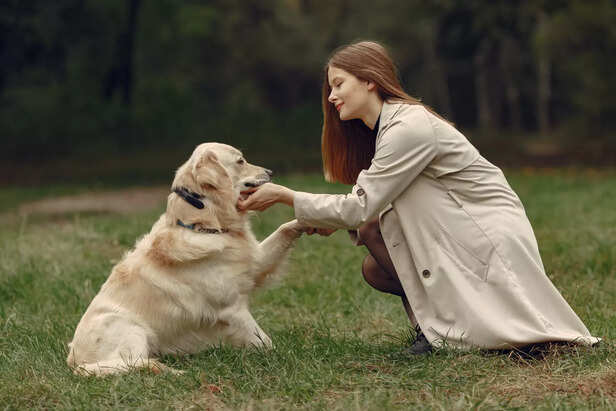
Animals, especially dogs, are remarkably sensitive to human cues. Research shows that they can interpret facial expressions, tone of voice and even subtle changes in body language. A lowered posture, slower movements, or a heavy sigh can signal sadness- and pets are often quick to notice. Dogs, in particular, have evolved alongside humans for thousands of years, learning to read emotional signals almost instinctively. Cats, while more independent, also pick up on patterns and shifts in behavior, responding in quieter but meaningful ways.
The Science Behind Their Emotional Sensitivity

Studies suggest that pets don’t just observe us- they may actually respond to our emotional states. Experiments have shown that dogs are more likely to approach a person who appears to be crying rather than one who is simply talking or humming. This indicates not just curiosity, but a form of emotional responsiveness. Some researchers believe this could be linked to empathy, or at least a basic version of it, where animals react to distress signals in ways that promote comfort or connection.
Why Your Pet Stays Close When You Feel Low
When you’re sad, your behavior changes- and so does your pet’s response. Many pets become more attentive, staying physically closer, seeking contact or simply sitting nearby. For them, this may be a combination of instinct and learned behavior. Over time, they associate your emotional states with certain actions, learning when to be playful and when to be calm. But beyond conditioning, there is something deeper at play- a bond that goes beyond routine and enters the realm of emotional connection.
More Than Instinct- A Shared Emotional World
The idea that pets can sense sadness challenges how we think about their inner lives. They are not just reacting to commands or routines- they are responding to us as emotional beings. While they may not understand sadness in the way humans do, they recognise that something is different, and they adjust in response.
Celebrate the bond with your pets, explore Health & Nutrition, discover Breeds, master Training Tips, Behavior Decoder, and set out on exciting Travel Tails with Times Pets!