Luck and gambling are intrinsically intertwined. But do lucky rituals actually impact the outcome of a game, and do people still even use them when playing online?
When you roll a die, you already know the probability of getting the outcome you desire. It is the same when you deal cards. You already know that you have a 1/13 chance of getting an ace and can grasp basic probability. Yet you may still cross your fingers tightly, tenderly kiss the dice, or perform any number of personal luck rituals. It is almost an expected human trait. In the world of digital gambling, do these rituals still have their place?
What Defines Luck When Gambling?
According to Merriam-Webster, luck is defined as a force that brings good fortune or adversity. You may also view it as the events or circumstances that operate for or against an individual. When gambling, this could be seen as the way the cards are dealt to you, or how the roulette ball falls and where it lands.
Human beings generally grasp luck in three forms. Luck, as superstition, is the idea that good or bad luck can be influenced by actions or objects. You may avoid walking under ladders to avoid a spell of bad luck, for example, or bring a lucky charm to improve the chance of winning at the blackjack table.
Luck can also be looked at retrospectively. You may glance back on past events that have shaped your life and see elements of luck in the mix. For example, someone who won a life-changing amount on a slot game may see it as a lucky turn. However, it may be something as simple as a lucky encounter that led to a change in life's paths.
Similarly, luck can also be something seized upon. This is like grabbing an opportunity, for example, taking advantage of bonuses or offers that lead to winning amounts. In life, it could be as simple as saying yes to opportunities that present themselves.
Famous Lucky Rituals Across the Globe
Travel across the world, and lucky rituals will change with each place you visit. For example, in Spain, you are expected to eat grapes at New Year to bring on prosperity. People eat 12 grapes, and you must eat one at midnight on each chime of the clock. Miss that grape and the corresponding month won't be a lucky one for you.
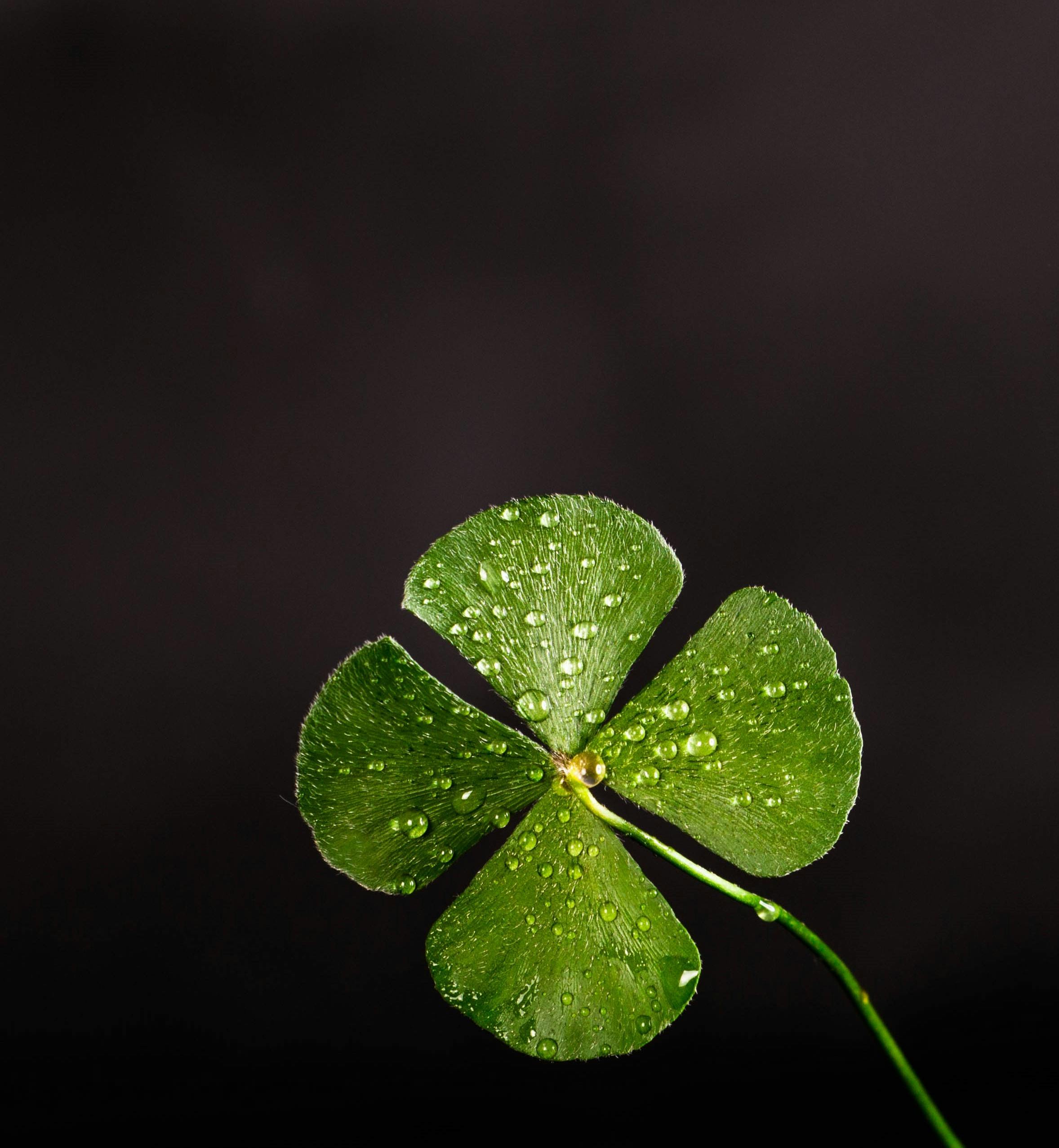
Symbols can also be a sign of luck. For example, in Ireland the four leaf clover is considered lucky and you will see it tied into many online slot games such as Rainbow Riches. In Canada, with its burgeoning casino market, you will see a similar iconography with the Maple Leaf. The operators found at https://casinobonusca.com/ are available to Canadian players and many employ this image, along with top games that use lucky symbolism in their titles, such as gold in Egyptian themed games like Eye of Horus.
One lucky ritual when it comes to casinos that has carried over from the real world is knocking on wood. It is done to prevent anything bad from happening, especially when you have just spoken about the incident. For example, you may need a card higher than a three to appear. Sardonically, you could say, “Watch a two come out,” then knock on wood to ward it off. This comes from a European and North American tradition, when people believed spirits lived in trees. By knocking, you would be alerting them to the fact that you needed protection.
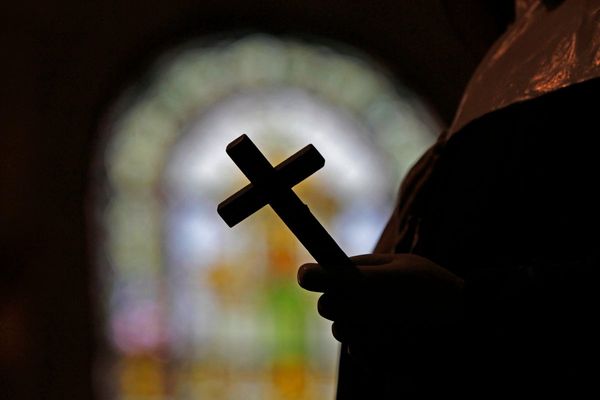
Other physical signs of luck are the crossing of fingers. It is unknown where this stems from, but it may go back to the early days of Christianity, where it was symbolic of the cross.

A common one on the casino floor is the blowing on dice. It is believed that this stems from the early days of casino gaming, when people would try to influence how the dice fall by making them sticky with a substance, or even more grossly, saliva.
Have Any Common Gambling Rituals Been Successful?
One ritual seemed to work for a group of recent winners in Australia’s Lucky Lotteries Super Jackpot. In a March draw, the syndicate bagged a $100,000 win and said their lucky ritual was to take turns buying the ticket each week. It seemed to have eventually paid off.
One very famous ritual is performed by footballer Zlatan Ibrahimović. Almost a reverse luck charm, he is known to play a game or two on the slot machines before he straps on his boots and heads to the soccer field. The former Swedish international believed it would bring him fortune for the game ahead.
Bringing Along a Lucky Charm
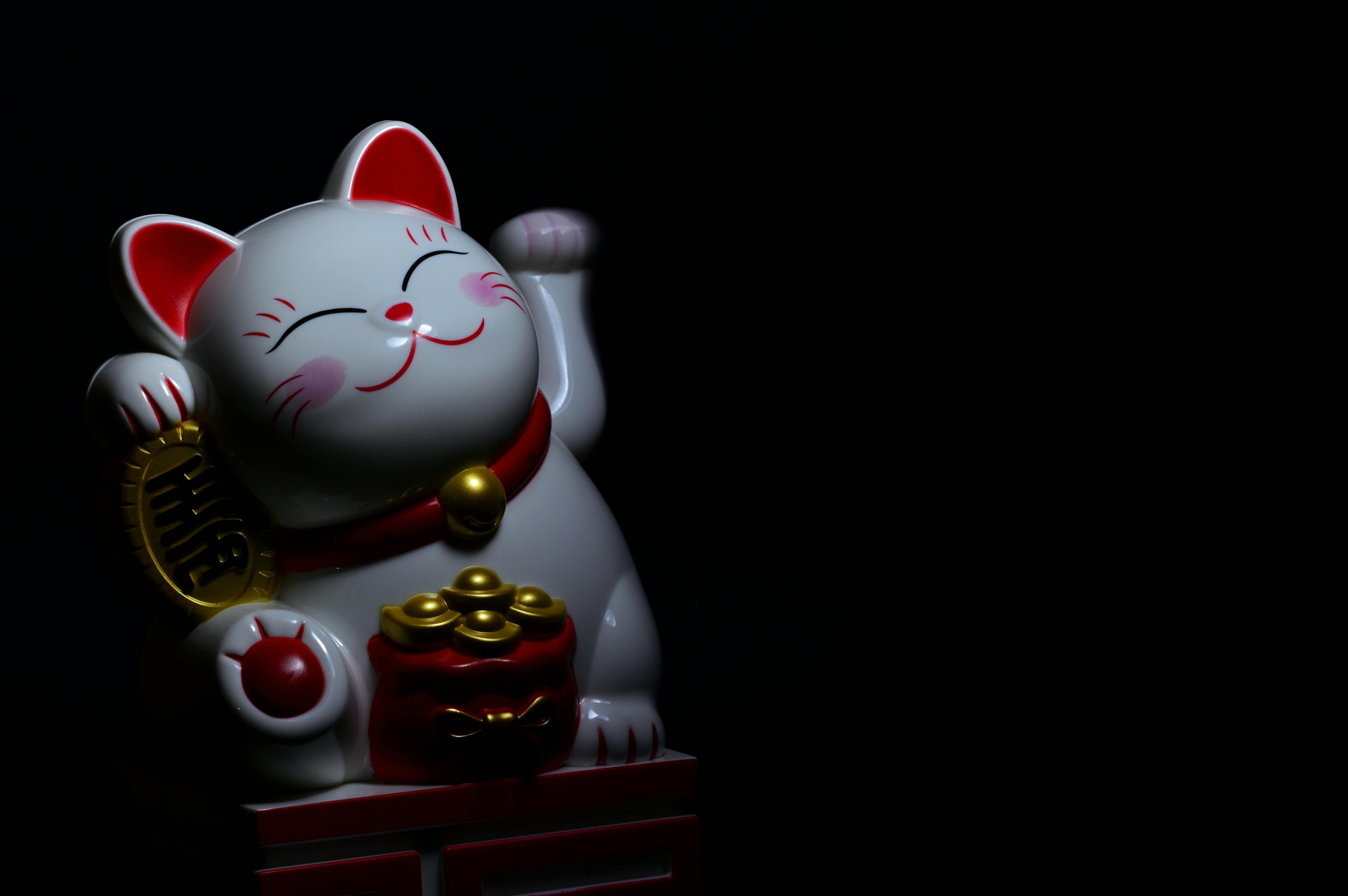
Lucky Charms can take some very wild and wacky forms. Poker often attracts the best of these, some of which are very far away from the traditional horseshoe and rabbit's foot charms.
Johnny Chan is a 10-time World Series of Poker bracelet winner, and he is seldom seen without his lucky orange. The rumor is that in the old days of smoking indoors, when casinos had less than healthy air quality, he would sniff an orange to cut through the acrid sting of tobacco smoke.
Another lucky charm-addled player was Doyle Brunson. He had a card protector that bore the logo of the famous eighties movie Ghostbusters, which came with every game. At one point, he would even rent it out to other players at a speculative cost of $200 for half an hour.
INSERT YOUTUBE LINK HERE - https://www.youtube.com/watch?v=2nARSfuFmi4
The Impact of Luck and Superstition on the Person
The truth is that luck and superstition play little part in the outcome of an event, though they can have a huge impact on you, the gambler. A study published by the National Centre for Biotechnology Information took a cross-section of those who had high levels of self-perception when it came to luck, and those who had little. Thus, those who believed it has an impact and those who don’t.
To define this, they used a Belief in Good Luck (BIGL) Scale. Those who reached higher levels on this spent more money and had much lower expectations of winning. The survey highlighted that a belief in luck influencing an outcome is an integral part of gambling addiction. Yet it also suggested that the upward cognitive thinking required may actually reduce errors and could act as a form of protection.
Gamblers often carry this cognitive distortion as a poor understanding of randomness or probability, and it can lead to decisions that often make little sense. The distillation of this is known as the Gambler's Fallacy, the concept that one event has bearing on the next, when they seldom do. It originated from a historic event at the Monte Carlo Casino in 1913. The roulette wheel landed on black 26 times, with the gamblers believing this meant red had to come next and as a result, many lost thousands to the casino.
Luck, Skill, or Good Old Probability?
Luck is a fundamental part of gambling, which many people place a lot of emphasis on. Other players may be more sceptical and weigh up whether gambling is based on luck at all or on skill. In fact, it probably depends on the game played and also has a huge dose of probability in the mix.
Some games, such as Poker, require you to employ skill in how they are played. This is the use of knowledge gained through experience and training to execute a task. You need this in poker, where knowing about other players, given hands, the odds of certain cards being held by other players and gambling strategies come into play. It could also be said of sports betting, perhaps looking at the form of horses, jockeys and trainers in racing, for example.
However, skill plays less of a factor in some games. Roulette, for example, has less emphasis on skill. Everything depends on where a ball lands. The same can be said of slot games. While you may need to know how mechanics work, it is beholden to how the reels fall, leaving less room for skill.
Thus, when gambling online, there are important statistics you may wish to consider instead of luck, such as return-to-player ratings. This is the probability that will be returned to a player should they gamble over a given period of time. It is usually expressed as a percentage.
You play a slot game with a return to player rating of 97%. Imagine you gamble $100 over a period of 100 spins, using $1 wagers. You can expect to get $97 returned. Think of it as tossing a coin, which would have an RTP of 50%. You may get heads once, twice, even ten or fifteen times in a row. However, averaged out over 100 tosses, it would be 50/50.
This is different from volatility. This is a measure of how a game pays out, and it is also important. For example, a low volatility game at 97% RTP would pay its 97% out in small, regular amounts. A high volatility game would still give $97 to a player, but it may do so less frequently and in larger amounts.
A recent study conducted by the University of Nottingham found that return to player ratings were commonly not understood and may have an adverse effect. Taking 6000 players, it found that adding an RTP rating increased players' perceived chance of winning when compared with games that had no information at all, despite the RTP being accurate.
Thus, people do still believe in the power of luck. In fact, it seems to be a common theme across time and space. This suggests that even in the digital age, with plenty of statistics, algorithms and AI to work out likely outcomes, players are still putting their faith in something beyond that, something intangible. The truth could lie in the fact that once you add all these things, you take out that which humans are searching for all the time in casino gaming. Not a way to win money, but a form of entertainment that provides unpredictable, often lucky and fun.